Asheville City Schools board weighs property taxes, race framework, transfers
Asheville City Schools faces $61.8 million in building needs, with nearly half in core systems, while board members weigh bus safety and transfers.
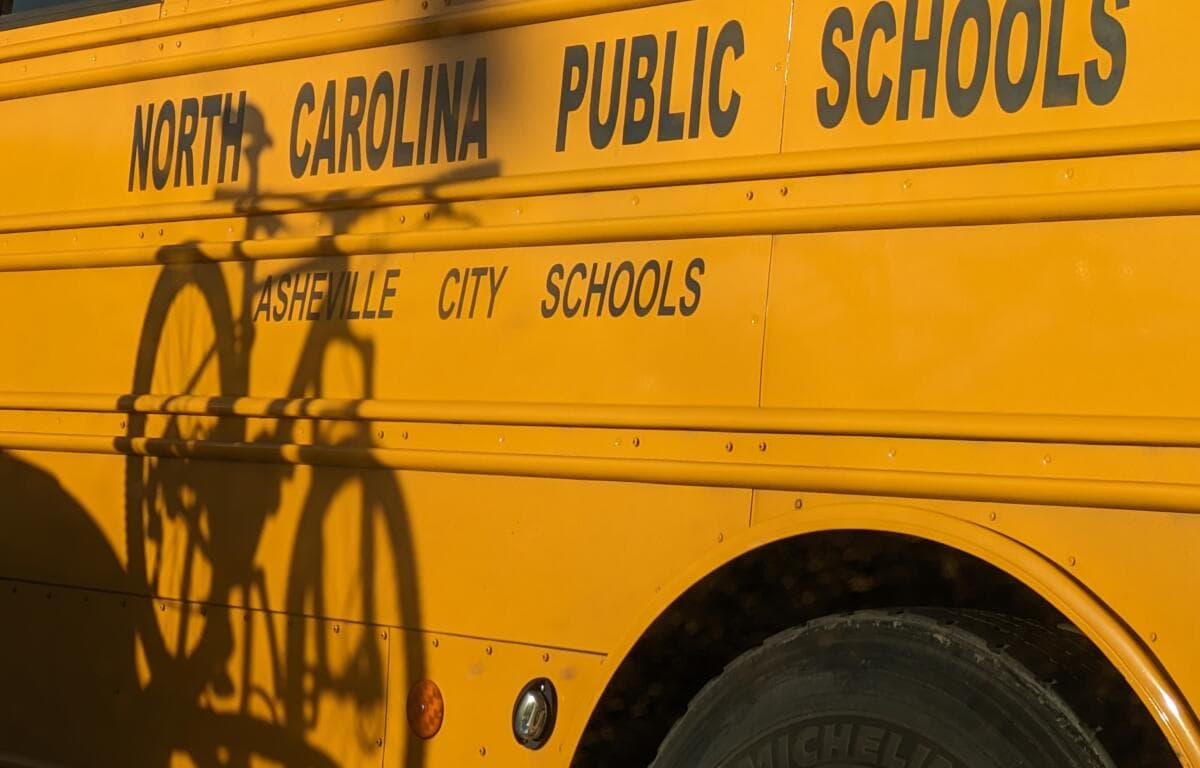
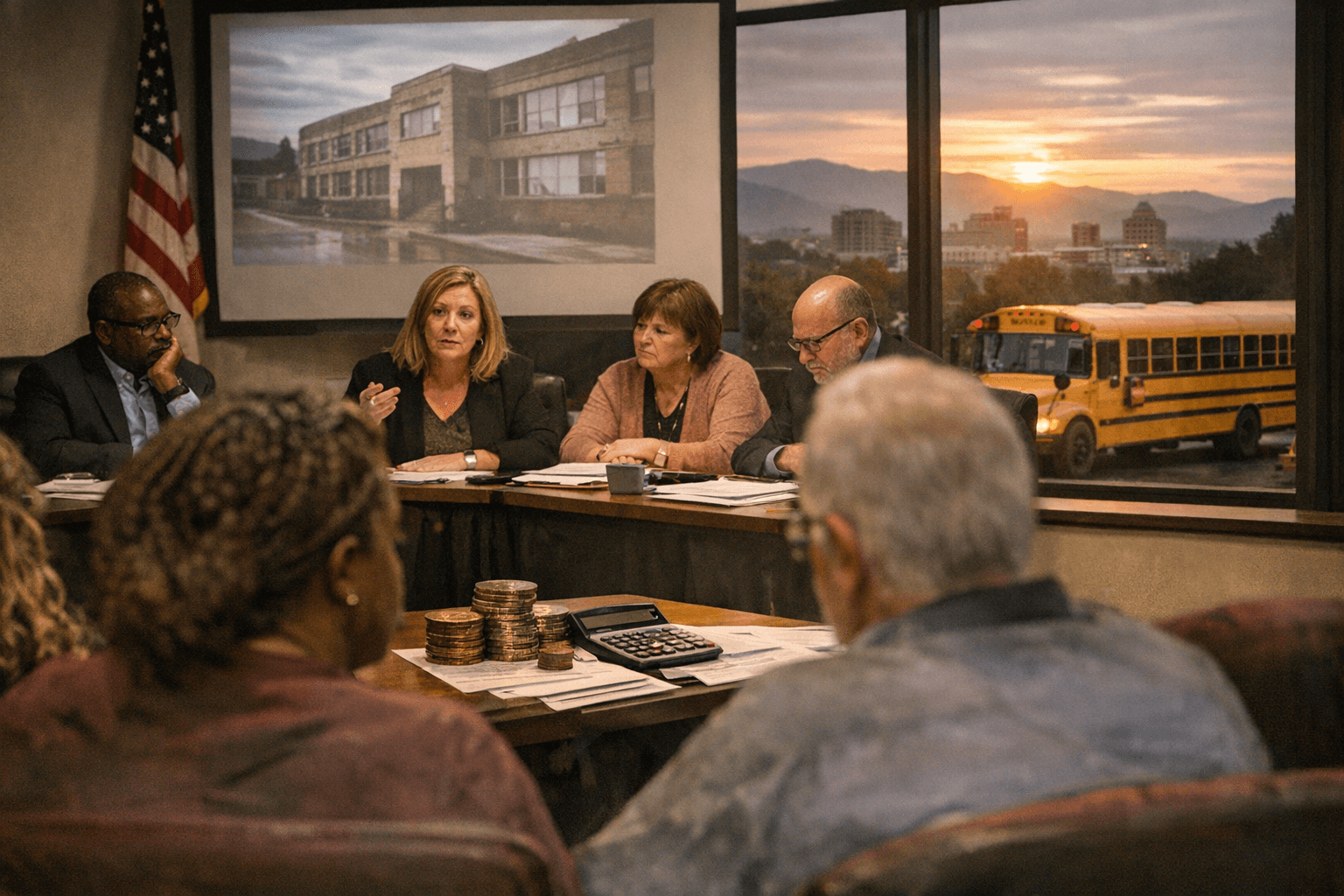
Asheville City Schools is staring at a $61.8 million facilities backlog, and nearly half of that work is tied to mechanical, electrical and plumbing systems that keep classrooms and offices functioning. That assessment turned the board’s Monday work session into a blunt look at what could slip if money does not keep pace with repairs, from building systems to the district’s long-term operating costs.
The Asheville City Schools Board of Education reviewed the numbers as part of a broader agenda that also included a possible letter to state lawmakers on a proposed constitutional amendment affecting property taxes. Board members were expected to take formal action on several items at their Monday, April 20, 2026 meeting, giving the district one more week to sort through decisions that affect both facilities and policy.
Some of the most immediate maintenance concerns were tied to the district’s Haywood Road operations site, at the former Asheville Primary School property at 441 Haywood Road. Members discussed a proposed fencing contract amendment worth about $39,000, connected to equipment relocation caused by the Interstate 26 Corridor Project and problems at the site, where mold issues were also raised. For a district managing multiple campuses, those kinds of building and site problems can quickly become operational problems for staff and students alike.
The facilities discussion also reflected a longer planning effort. Asheville City Schools issued a request for proposals for a comprehensive facility study on April 9, 2025, with bids due April 25, 2025. That shows the current assessment was not a one-off alarm but part of a formal attempt to map repairs, replacements and future capital priorities across district properties.
Transportation and student safety ran alongside the building concerns. The board signaled support for a local ordinance that would allow automated citations for drivers who illegally pass stopped school buses. Buncombe County Schools says its transportation department already uses stop-arm cameras to report violations and improve safety, and North Carolina school bus safety advocates say reports of those violations have been collected since 1999, underscoring how persistent the risk remains at bus stops.
Enrollment and transfers added another layer of pressure. Asheville City Schools says it serves about 4,000 students across eight campuses, while Buncombe County Schools says it transports nearly 10,000 students daily using 208 yellow buses and 45 white activity buses. The board reviewed student transfer data showing releases to Buncombe County Schools and asked for more frequent updates on out-of-district enrollment and charter trends.
Superintendent Maggie Fehrman also guided the board through the fifth of six conditions in the district’s Courageous Conversations About Race framework, focusing on how the district defines race and responds to sensitive school situations. In the scenario discussed, board members emphasized listening, acknowledging multiple perspectives and keeping dialogue open rather than forcing an immediate answer. The session made clear that Asheville schools are juggling aging buildings, school-bus safety, enrollment shifts and race-related policy work at the same time, with the next meeting set to show which priorities move first.
This article was produced by Prism’s automated news system from verified source data, official records, and press releases, then run through automated quality and moderation checks before publishing. The system is built and supervised by the people who set the standards it runs under. Read our full AI policy.
Did this article answer your question?