Asheville City Schools wait on Raleigh funding, budget uncertainty grows
Asheville schools are still waiting on Raleigh, and leaders say they cannot promise raises, staffing or support until budget numbers land.
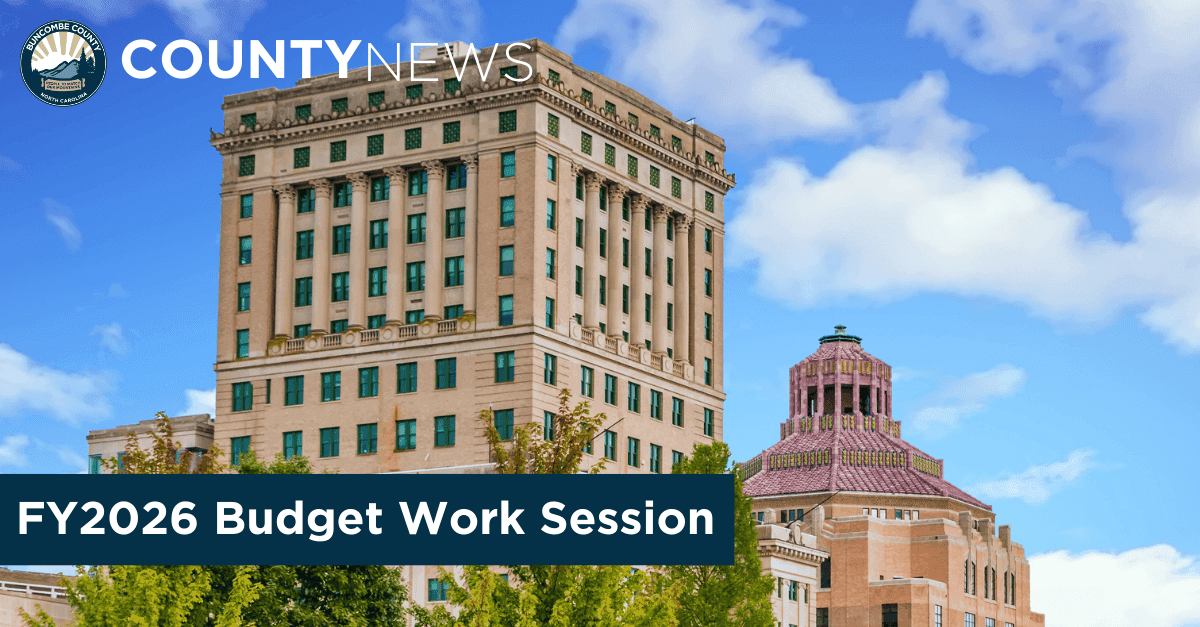
Asheville City Schools walked into its May 4 budget work session still waiting for Raleigh to decide how much money, and how much uncertainty, will shape the year ahead. With the General Assembly still holding up the fiscal year 2026-27 budget, district leaders said they could not responsibly lock in staffing plans, teacher raises or classroom support for Asheville families.
Superintendent Maggie Fehrman said the delay was already making basic planning harder. “As soon as they can get that information out to us is going to be really critical,” Fehrman said. She said the district needs timely state numbers because teacher pay and staffing allotments are determined at the state level, and Asheville City Schools cannot make firm commitments to employees until lawmakers finish the budget.
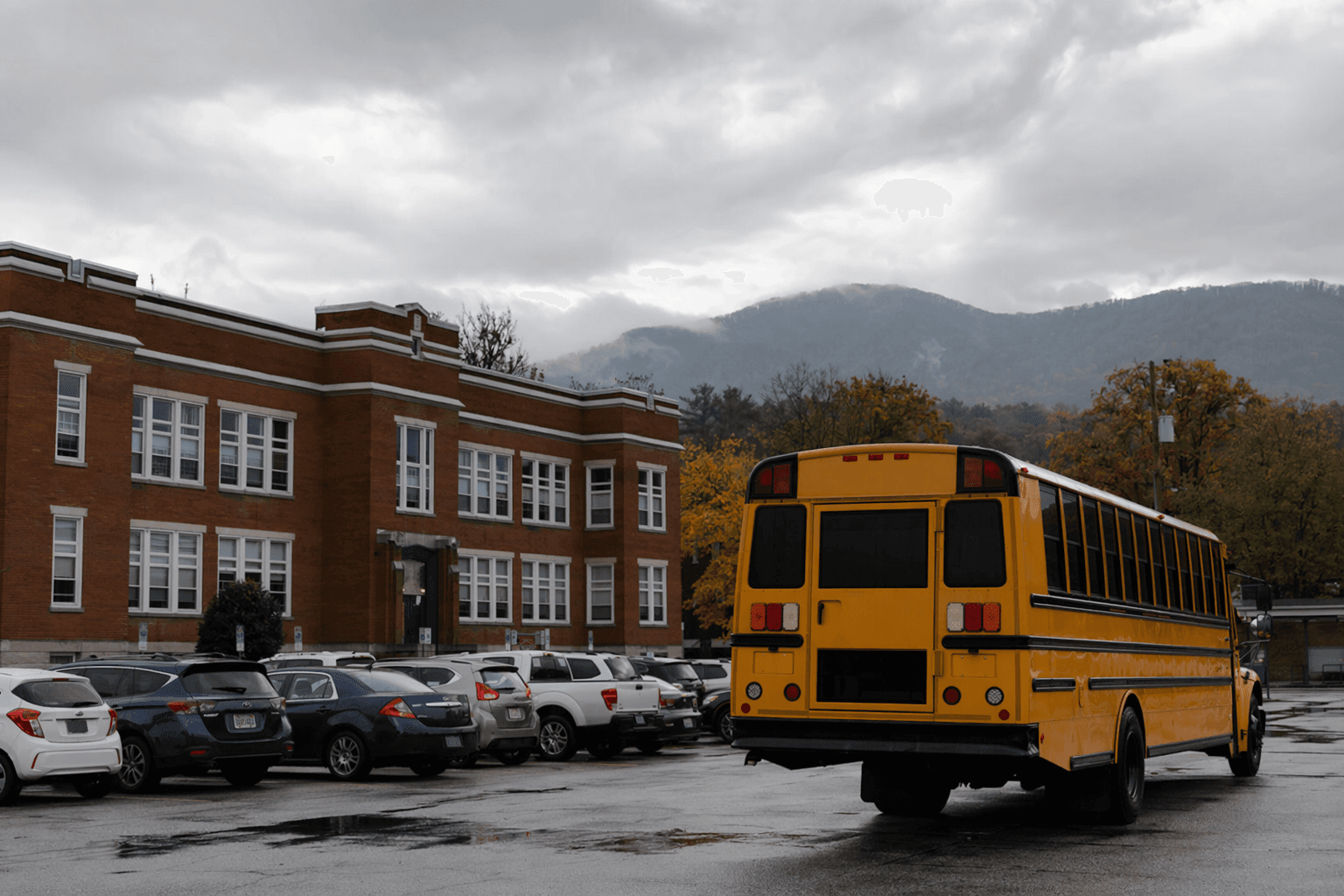
If the General Assembly does not act in time, Asheville City Schools could be forced into an interim budget or spending resolution at the end of June, using anticipated expenses to keep operations moving. That would give administrators less room to plan for positions, salary expectations, support services and other resources that shape daily life in classrooms from Montford to South Asheville. For teachers and parents, the stakes are immediate: no final budget means no clear answer on how many adults will be in buildings, how much help will reach students, or whether pay will move enough to ease retention pressure.
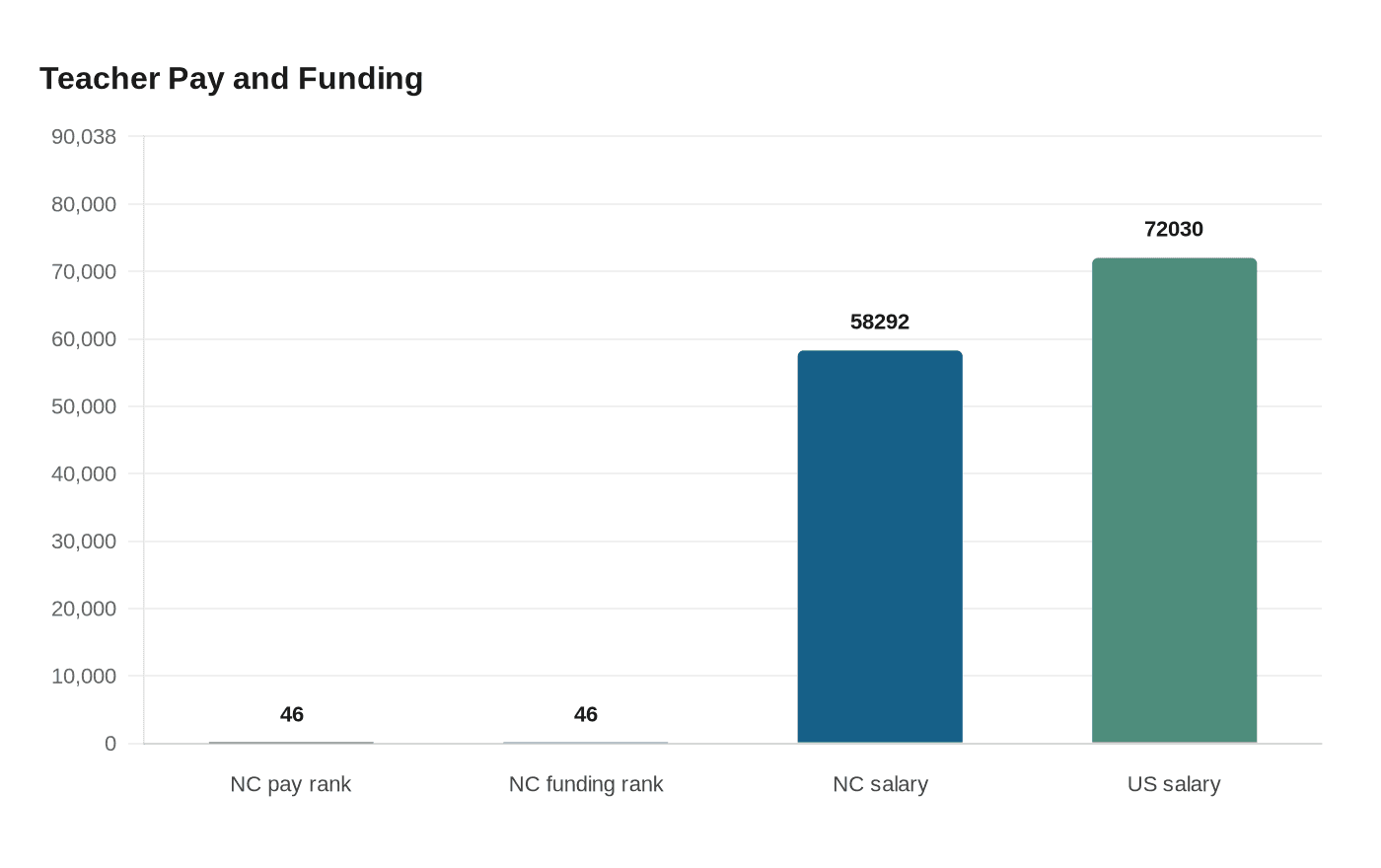
The stalemate has also sharpened frustration among educators. On May 1, teachers from Asheville City Schools and Buncombe County Schools joined the “Kids Over Corporations” rally in Raleigh, and the turnout was large enough that both districts canceled classes for the day. The protest came as North Carolina remained 46th nationally in teacher pay and 46th in per-student funding, with an estimated average teacher salary of $58,292 for 2023-24, far below the national average of $72,030.
Asheville City Schools has already felt what tight budgets can mean. Last year, the district received just over $17 million after asking for more than $21 million for operations. To cover the gap, leaders planned to use $3.5 million from reserves and not rehire some positions lost to attrition. Fehrman has also said local budgets depend on Buncombe County commissioners, while state and federal money remain uncertain until later in the year.
That broader pressure lands just as Buncombe County prepares for a public hearing on County Manager Avril Pinder’s proposed fiscal year 2026 budget on Tuesday, May 20. For Asheville, the result is a two-front planning problem: a state budget still unresolved in Raleigh, and a local budget season that will determine how much room the district has left to protect classrooms, staff and programs.
This article was produced by Prism’s automated news system from verified source data, official records, and press releases, then run through automated quality and moderation checks before publishing. The system is built and supervised by the people who set the standards it runs under. Read our full AI policy.
Did this article answer your question?