Asheville council member proposes ban on city facilities for immigration operations
Council member Kim Roney introduced a draft resolution on November 17 seeking to prohibit Asheville owned facilities, lots and parks from being used as staging areas or operational bases for civil immigration enforcement. The proposal, presented with faith leaders and community advocates, raises questions about legal authority, local resources, and protections for residents across Buncombe County.
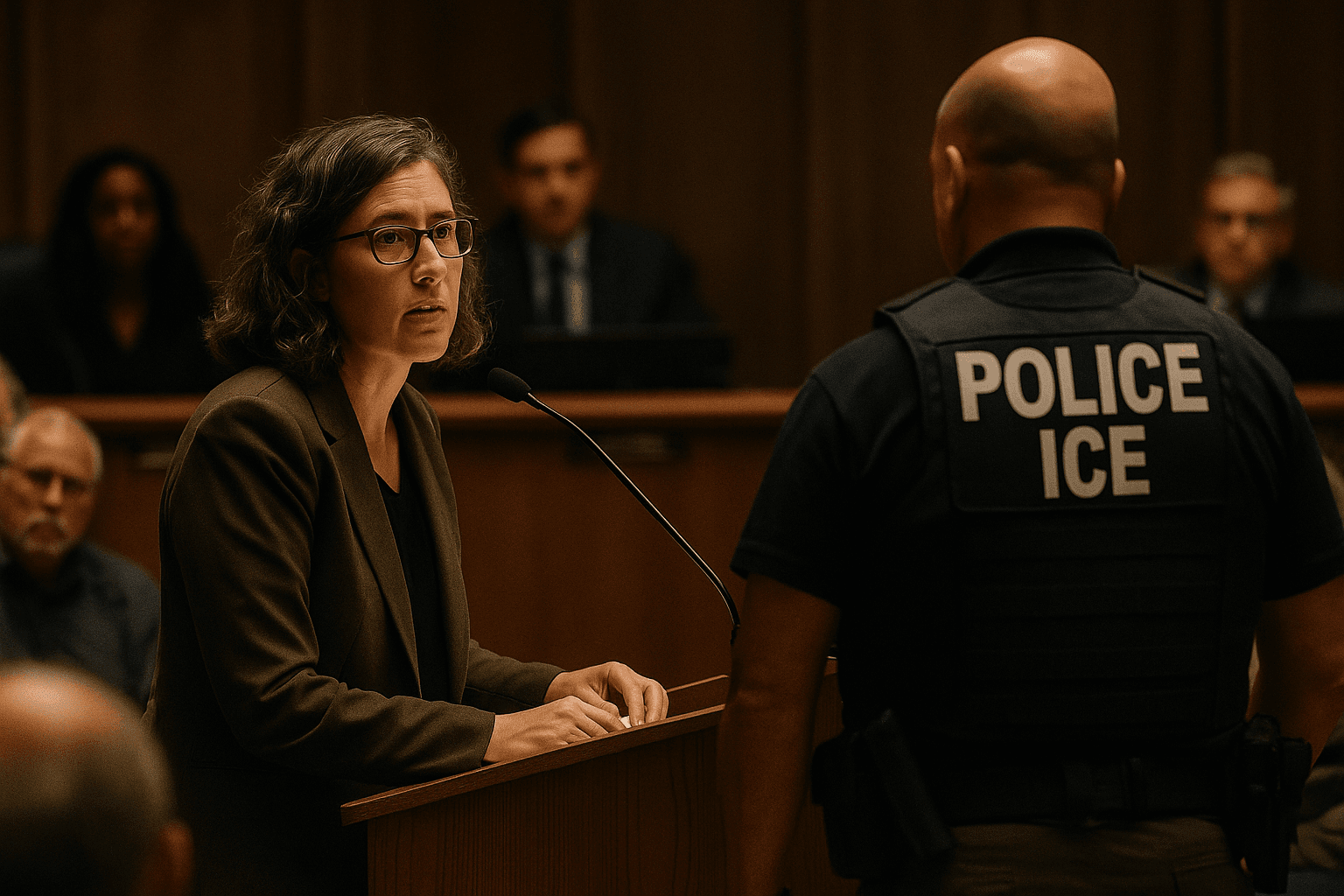
On November 17 Council member Kim Roney unveiled a draft resolution that would bar Asheville owned facilities, lots and parks from being used as staging areas, processing locations, or operational bases for civil immigration enforcement. The resolution was presented at a press conference with faith leaders, advocates and community members, and organizers said it was prepared in collaboration with impacted residents and based on the experience of other municipalities.
The measure is not yet on the city council agenda. Under city rules it would require three council members to request that it be added, or a majority of the council to vote to include it at a meeting. Roney urged the council and county to take preemptive action to protect residents before any federal operations might occur locally, and the announcement drew varied reactions from elected officials who cited timing concerns, the need for collaboration, and legal considerations.
For Buncombe County residents the proposal touches on questions of public trust, use of municipal resources, and the relationship between city government and federal immigration authorities. Supporters framed the resolution as a preventive step to keep municipal parks and facilities focused on community programs rather than federal enforcement actions. Opponents and some officials have said the issue requires careful legal review, intergovernmental coordination, and clear policies to avoid unintended consequences.
The resolution follows a pattern of local governments nationwide grappling with how to respond to federal immigration enforcement activity while balancing legal limits on municipal authority. Organizers emphasized that the draft draws on other cities' experiences and input from those directly affected, signaling an intent to ground the policy in practical lessons and community needs.
Next steps include whether three council members formally request the item be placed on a future agenda, or whether a majority moves to place it for debate. If advanced the proposal would likely prompt further discussion about legal counsel, implementation details, and coordination with Buncombe County officials. The debate is likely to shape how local public spaces are used and how immigrant communities in Asheville and the county evaluate their relationship with municipal government.
Know something we missed? Have a correction or additional information?
Submit a Tip

