Asheville Eases ADU Conversion Rules for Older Structures, Bars Short-Term Rentals
Asheville City Council relaxed rules to allow certain ADU conversions of older garages and sheds without Board of Adjustment variances, while banning short-term rentals in those units.
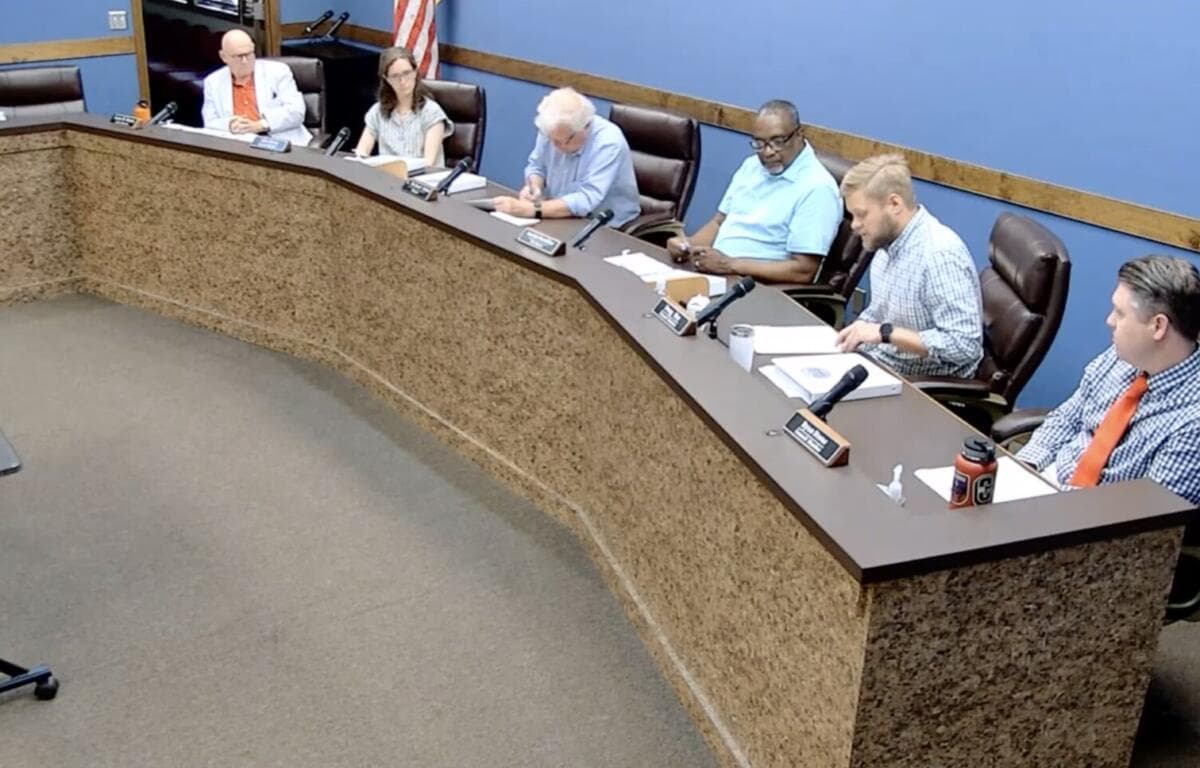
Asheville City Council voted unanimously on January 28 to ease permitting for accessory dwelling units created by converting existing structures that predate current zoning rules, a change intended to simplify home-based housing options while guarding against short-term rental commercialization.
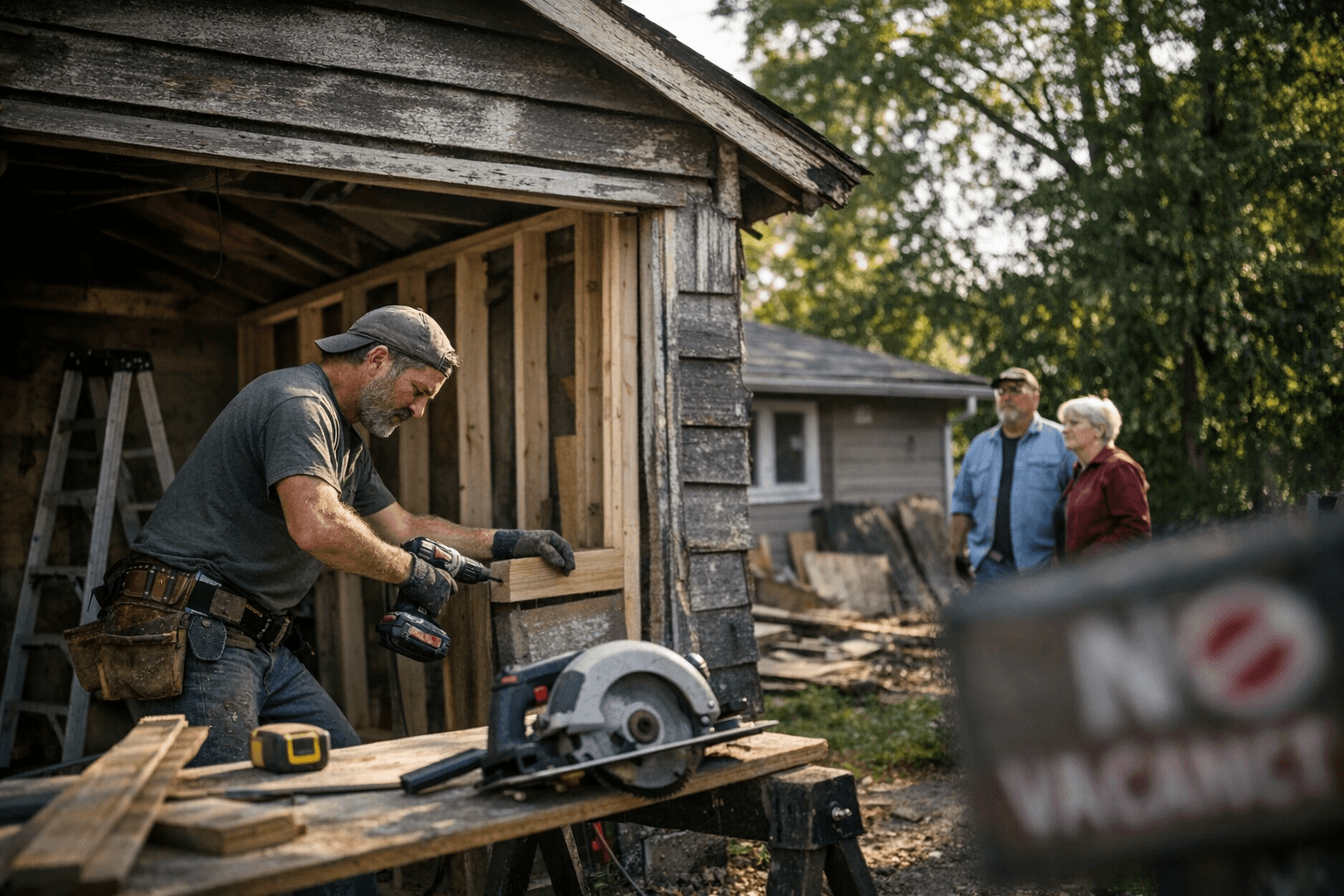
Under the new rule, homeowners can convert garages, sheds and similar outbuildings into ADUs without seeking Board of Adjustment variances when those structures fail to meet current setback standards, provided the conversions comply with existing parking, height and size requirements. Size limits are specific: no more than 800 square feet on lots under one acre, and up to 1,200 square feet on lots of one to three acres. Short-term rentals and homestays will remain prohibited in ADUs created under this rule.
The decision removes a procedural hurdle that often required variances for older structures built under different zoning eras, allowing many projects to proceed through administrative review instead of an appealed hearing. For homeowners with underused garages or sheds, the change can reduce time and cost for creating additional living space for family members, long-term tenants or home-based caretakers.
Council members framed the amendment as part of a broader effort to expand housing options without accelerating displacement in long-established neighborhoods. Council emphasized outreach to so-called legacy neighborhoods worried about rising rents and outside investment. BPR’s report accompanying the council discussion notes related city actions on federal recovery funds, Helene recovery grant requests, and ongoing conversations about anti-displacement measures and “legacy neighborhood preservation districts.”
Local impact will vary. Property owners with qualifying structures now have a clearer path to add legal dwelling units, but the prohibition on short-term rentals and homestays aims to prevent conversions from feeding the tourist rental market that has strained housing supply in Buncombe County. Neighborhood advocates and residents concerned about density, parking and neighborhood character will watch implementation closely, as the rule still requires compliance with parking and height standards that can limit which conversions are feasible.
Implementation details and outreach will determine how quickly conversions move forward and how protections for legacy neighborhoods take shape. For now, the council has signaled a preference for small-scale, owner-driven housing additions that expand living options while maintaining local safeguards. Residents should monitor upcoming council updates and BPR materials for timelines on administrative procedures and neighborhood engagement sessions that will shape the rule’s practical effects.
This article was produced by Prism’s automated news system from verified source data, official records, and press releases, then run through automated quality and moderation checks before publishing. The system is built and supervised by the people who set the standards it runs under. Read our full AI policy.
Did this article answer your question?