Asheville fire protection evolved from bells and buckets to a modern department
Asheville went from shouted alarms and bucket lines to a professionally rated fire department, and that shift still shapes household safety across Buncombe County.
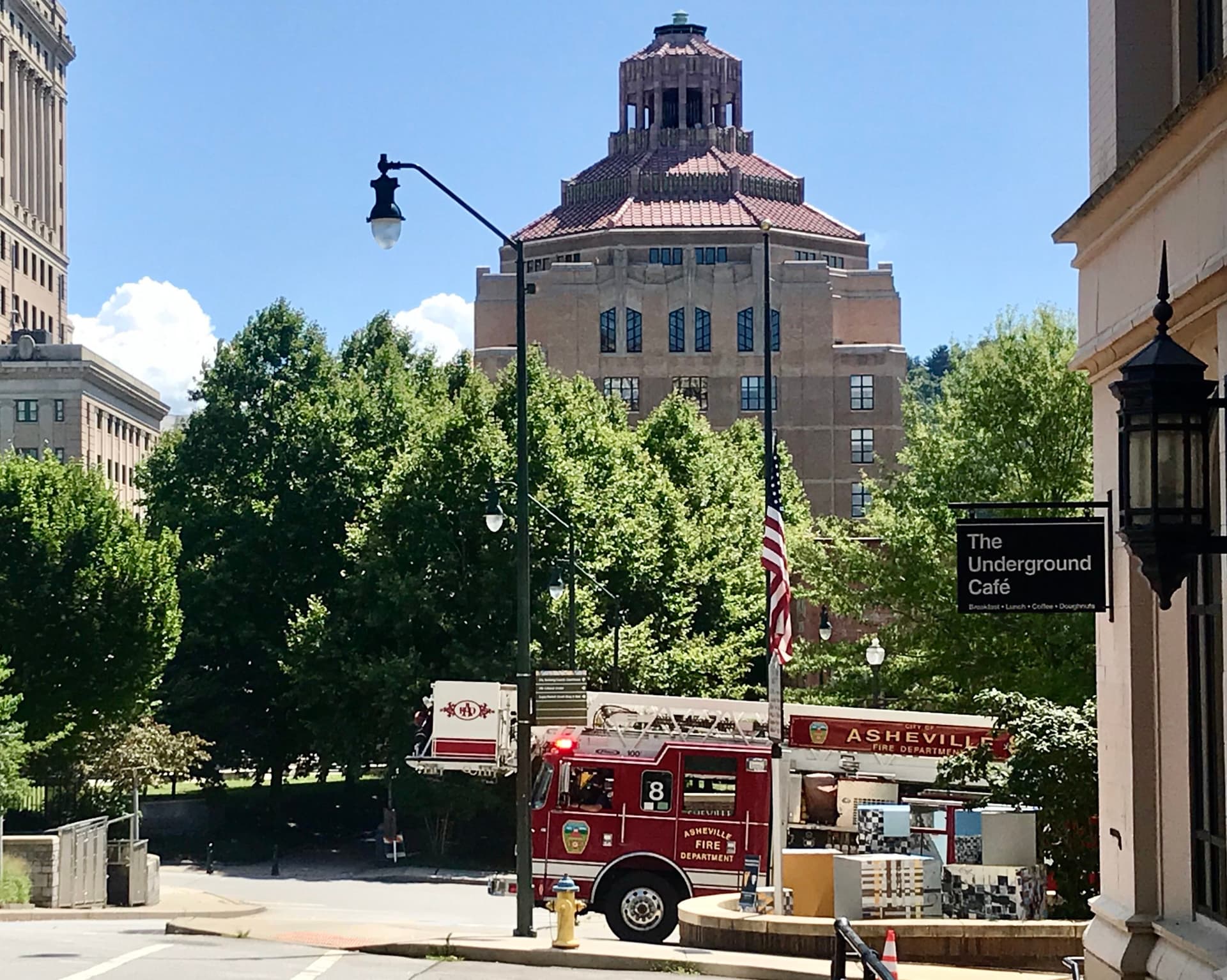
Asheville’s fire protection began with bells, shouted warnings, and neighbors hauling water from wells and streams. By the time the city had a formal fire department in 1882, decades of newspaper warnings and one fatal blaze on Vance Street had made clear that improvisation was no longer enough. The path from bucket brigades to a Class 1 fire rating explains how Buncombe County’s largest city built the emergency system residents rely on now.
From frontier response to a civic necessity
When Buncombe County was formed in 1792, firefighting was not a municipal service at all. Protection was left to individual landowners and helpful neighbors, who depended on buckets and a nearby well or body of water when flames broke out. That was the reality in a county still shaped by distance, rough roads, and scattered settlement, long before Asheville had the population or infrastructure to support a professional fire service.
Asheville itself, founded in 1797, grew into a town where fire risk outpaced its response tools. A City of Asheville historical account says that for about 40 years before a department was founded, newspapers were already calling for one. An 1858 Asheville News article captured how limited the city’s options were at the time: about 1,500 citizens could only ring bells, yell “Fire!”, and hope neighbors arrived with water-holding vessels, access to wells, or help from nearby streams.
That image matters because it shows the starting point. Asheville was not simply waiting for a better version of the same system. It needed the basic pieces of modern fire protection: organized personnel, equipment, alarms, water supply, and a command structure.
The 1882 turning point
The Asheville Fire Department was formally organized on May 2, 1882, according to Asheville Fire Department engineer and historian Brian Lawrence. A fatal fire on Vance Street helped spur citizens to demand action, and the city responded by creating its first fire department. Asheville’s first fire marshal was J.P. Sawyer, and one of the department’s earliest steps was a survey of city buildings, a sign that fire protection was already becoming more systematic than the old bucket-line response.
The department’s first fire truck, purchased in 1882, was a hand-drawn wagon equipped with ladders, buckets, chemical extinguishers, and tools. Even that early purchase shows the shift from volunteer improvisation to organized readiness. The city was building a service around dedicated apparatus, rather than depending on whatever neighbors could carry to a fire.
The change did not stop there. Asheville got a water system and hose company in 1884, which gave firefighters a better and more reliable way to attack flames than buckets alone. In 1887, the city purchased a horse-drawn wagon, reflecting another step toward faster deployment and more effective equipment. By 1890, Asheville had a town-wide alarm system, and by 1892 it had a fire and police department in the new city hall. Each milestone made response more coordinated, more immediate, and less dependent on chance.
Why Asheville’s geography shaped the job
Asheville’s hills and older streets made firefighting harder than it looked on paper. Water had to be moved, equipment had to be pulled, and early response depended on a city that was still learning how to build around emergency access. In that setting, the move from a single wagon to water lines, alarms, and a formal department was not cosmetic. It was the difference between a town hoping for help and a city building it.
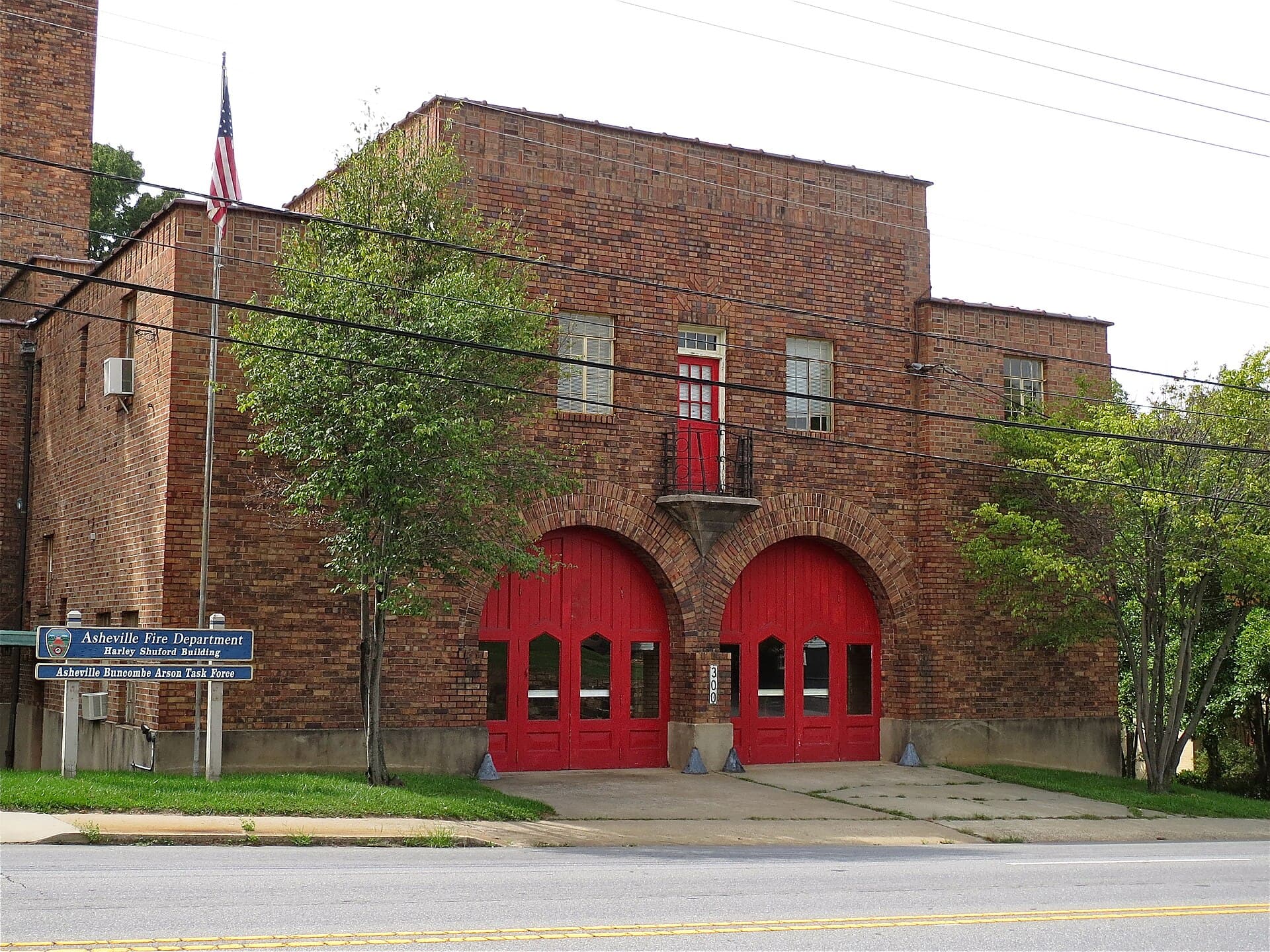
That matters in Buncombe County because Asheville’s department became the county’s first organized, community-sponsored fire department. The county’s firefighting story therefore runs through Asheville’s, from a landscape of private responsibility to a public service built for a growing urban center. As the city added denser neighborhoods, larger buildings, and more complicated public-safety expectations, fire protection had to keep pace or fall behind the places and people it was meant to protect.
What the modern department stands for now
The Asheville Fire Department describes its mission plainly: to protect lives, property, and the environment by preventing and minimizing fires, accidents, and other emergencies. That mission reflects the full evolution of the service. It is no longer just about reaching a blaze, but about prevention, emergency readiness, and the capacity to handle a wider range of threats in a larger city.
The department’s reaccreditation by the Commission on Fire Accreditation International and its Class 1 fire rating show how far the city has moved from the 1858 scene of bells and shouted warnings. Those marks place the department within a formal system of evaluation that measures readiness and performance, not just tradition. For Asheville residents, the significance is practical: modern fire protection now depends on standards, equipment, training, and response capability that the city once lacked entirely.
That through-line is what makes Asheville’s fire history more than a retrospective. It shows how one of the most basic local-government functions took shape in Buncombe County, and why the legacy of those early decisions still affects household safety, emergency confidence, and public expectations today.
This article was produced by Prism’s automated news system from verified source data, official records, and press releases, then run through automated quality and moderation checks before publishing. The system is built and supervised by the people who set the standards it runs under. Read our full AI policy.
Did this article answer your question?