Asheville homelessness, Helene damage slow tourism recovery in Buncombe County
Helene and visible homelessness on Tunnel Road are undercutting Asheville’s rebound, even as Visit NC pours recovery marketing into Buncombe County.

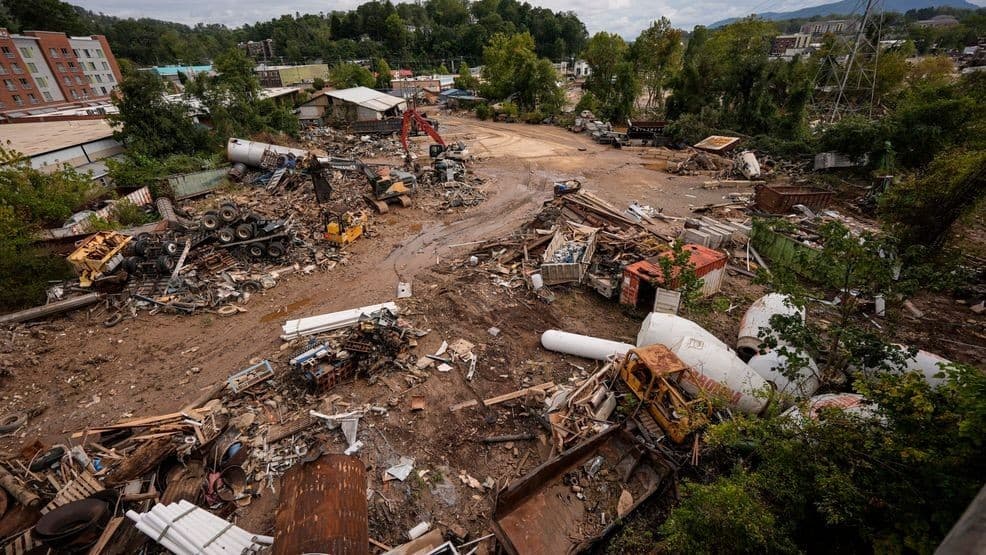
Along Tunnel Road in Asheville, homelessness and storm damage continue to shape first impressions and slow tourism’s comeback in Buncombe County.
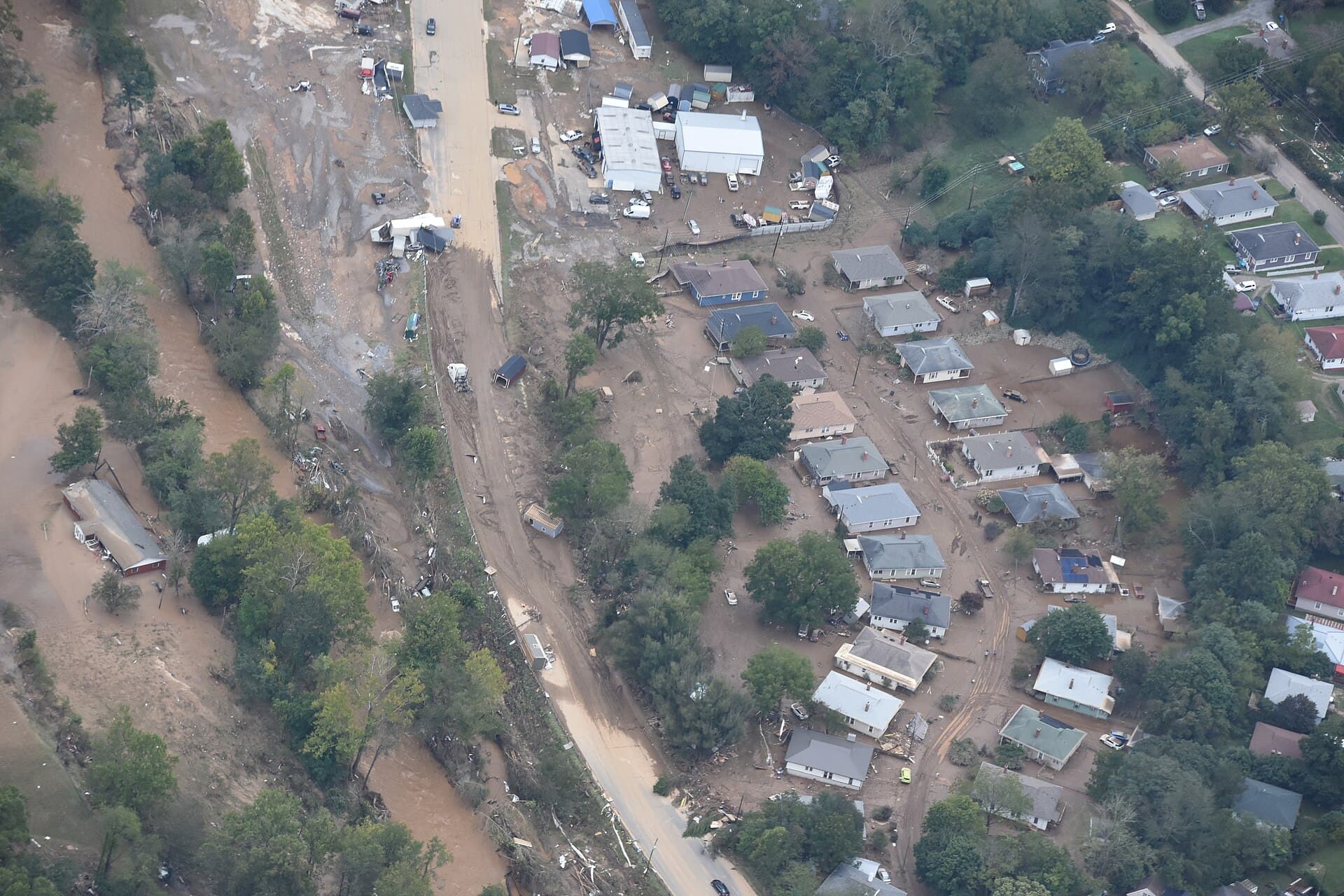
Hurricane Helene struck Western North Carolina on Sept. 27, 2024, and Visit North Carolina launched partner communications, media outreach and a travel-advisory map before shifting into a recovery campaign that has run since October 2024 and was extended through 2025. That effort comes as the state tries to protect a tourism industry that still set a record in 2024, with travelers spending more than $36.7 billion, up from $35.6 billion in 2023. The tourism-supported workforce rose to 230,338 jobs, and visitor spending generated nearly $2.7 billion in state and local tax revenue.
Buncombe County is especially exposed. Visitors account for about 20% of the local economy, and annual visitor spending had reached nearly $3 billion before the storm. But the Buncombe County Tourism Development Authority estimated fourth-quarter tourism losses after Helene at 70%, or roughly $585 million to the local economy. Visit NC’s May 2025 visitor sentiment survey, based on responses from 2,000 overnight leisure travelers fielded May 14 to 29, found Asheville and the Foothill region saw a drop in travel, even as many respondents still associated North Carolina with scenic beauty, beaches, mountains and friendly residents.
Officials are trying to rebuild confidence with campaigns such as “Our Best Way to Get Back Is for You to Come Back,” which leans on agritourism and wineries to broaden the recovery message beyond downtown Asheville. The visible concentration of homelessness along major corridors like Tunnel Road is part of what visitors see between hotels, shopping centers and the city’s main travel routes.
That pressure has sharpened since a March 2025 Point-in-Time count showed homelessness in Buncombe County had more than tripled from the previous year. More than two-thirds of the county’s 2025 count consisted of people displaced by Helene and living in FEMA-paid hotels, adding a temporary but highly visible layer to the problem. City leaders have said homelessness is a community-wide issue that requires coordination among nonprofits, governments, healthcare systems, advocates and people with lived experience.
Asheville has already invested in that response on Tunnel Road. In 2021, the city helped fund Homeward Bound’s purchase of the former Days Inn at 201 Tunnel Road for permanent supportive housing, and the site became Compass Point Village, designed to house 85 people. More recently, ABCCM acquired the former Quality Inn at 1430 Tunnel Road for veteran housing. The city’s Asheville-Buncombe Continuum of Care, established Feb. 29, 2024, is now the formal body coordinating homelessness strategy.
This article was produced by Prism’s automated news system from verified source data, official records, and press releases, then run through automated quality and moderation checks before publishing. The system is built and supervised by the people who set the standards it runs under. Read our full AI policy.
Did this article answer your question?


