Asheville Housing Authority cuts after-school program amid financial crisis
Children in Pisgah View and Woodridge lost an after-school lifeline as Asheville's housing authority cut staff and chased $1.6 million in savings.
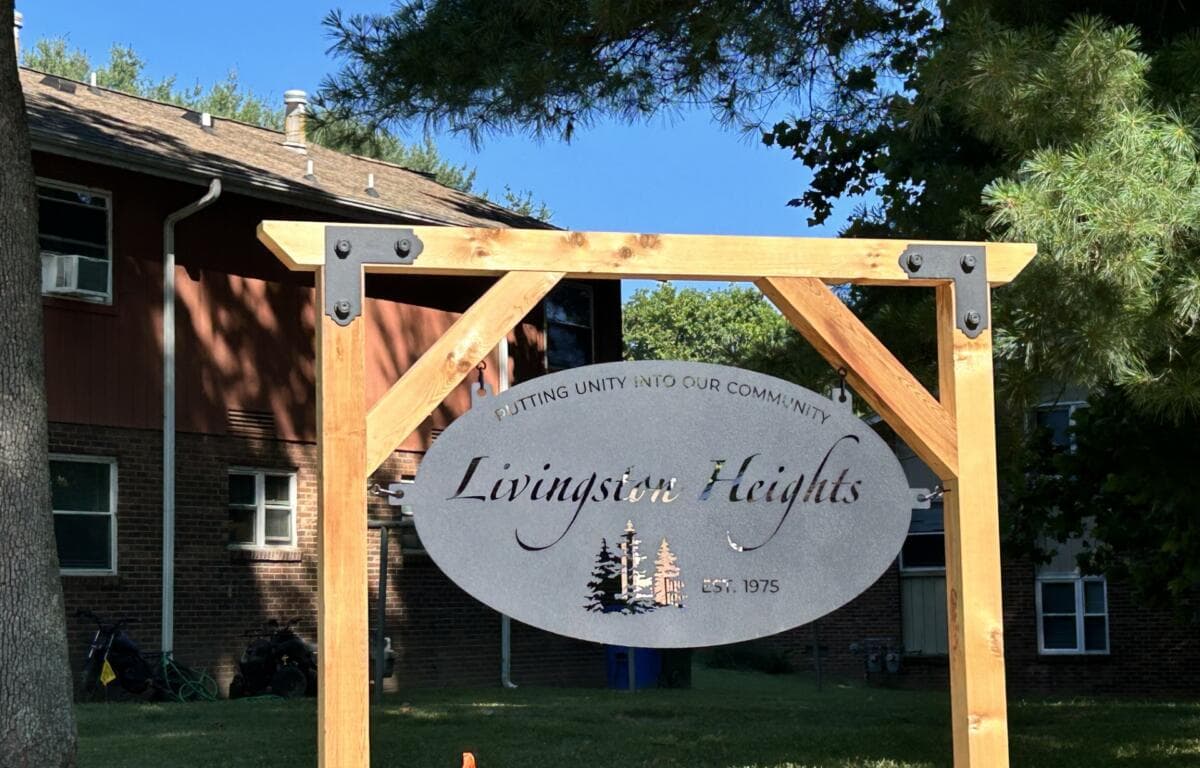
The cut that ended an after-school and summer program for children in Pisgah View Apartments and Woodridge Apartments showed how Asheville’s housing authority crisis was reaching tenants first. The program, run by Children First and Communities In Schools of Buncombe County, welcomed up to 40 elementary students each week for homework help, activities, snacks and summer camp, making it one of the clearest examples of a service lost as the agency tightened its belt.
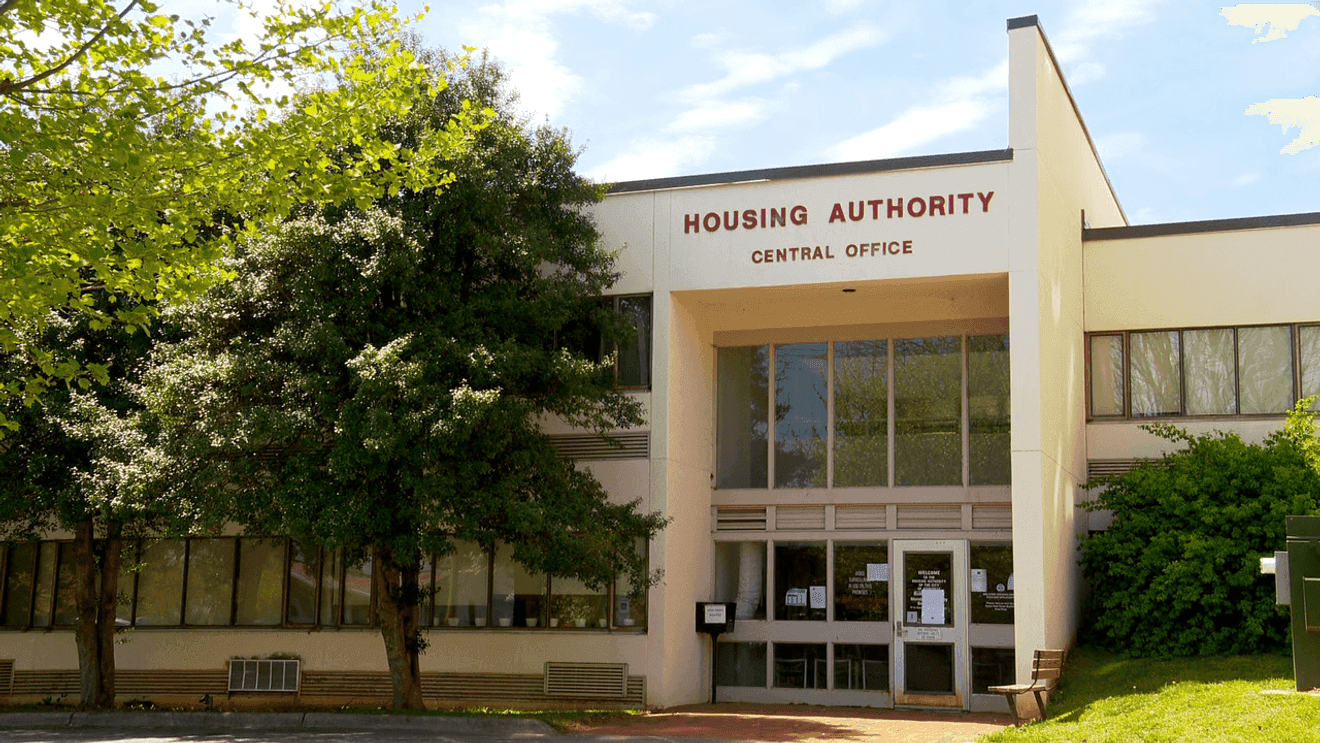
The Housing Authority of the City of Asheville announced April 7 that it was eliminating 34 jobs, about 21% of its workforce, in a reduction in force meant to address financial challenges, improve efficiency and refocus resources on its core mission. Later reporting said the layoffs were expected to save about $1.6 million. The authority also severed ties with the PODS after-school and summer program as part of the restructuring, a move that pushed the crisis beyond payroll and into daily life for families living in public housing.
The agency’s scale helps explain why the fallout matters. HACA owns 1,525 apartments across eight complexes in Asheville and distributes about 1,300 Housing Choice Vouchers. Other housing directories put its inventory at roughly 1,534 units and more than 1,355 voucher-assisted households. Even with that reach, HACA’s own website says it is not an immediate housing provider, directs people needing temporary housing to United Way’s 2-1-1, and says its public housing waitlist is open with applications accepted online only. For residents navigating repairs, placement, or a housing emergency, that means the authority is still a gatekeeper, but not a quick fix.

The strain has also been visible inside the properties themselves. A vacant Pisgah View apartment left in rough shape underscored the maintenance burden facing the agency, which is trying to keep aging buildings habitable while cutting costs. That pressure comes on top of Hurricane Helene recovery, a regional shortage of affordable housing, and the broader budget stress that has rippled through Asheville and Buncombe County.
Leadership instability has only deepened the uncertainty. Former chief executive and president Monique Pierre filed a wrongful termination lawsuit in April 2026, alleging she was fired for refusing to ignore possible federal housing-law violations by a board member. In early May, HACA and the Buncombe County Continuum of Care reached an agreement that reinstated admissions preferences for some people experiencing homelessness, a sign the authority is still trying to preserve access for the most vulnerable even as it trims elsewhere.
What has changed is clear: the authority has moved from warning about trouble to cutting staff and services. What remains broken is just as plain: aging units, shrinking capacity and shaken trust. What happens next will determine whether Asheville’s public housing system can keep repairs, safety and basic support from slipping further behind the people who depend on them.
This article was produced by Prism’s automated news system from verified source data, official records, and press releases, then run through automated quality and moderation checks before publishing. The system is built and supervised by the people who set the standards it runs under. Read our full AI policy.
Did this article answer your question?