Asheville mascot controversy raises questions about city oversight and race
A raccoon mascot T-shirt scandal pushed Asheville Parks & Recreation into a deeper reckoning over race, oversight and who approved the design.
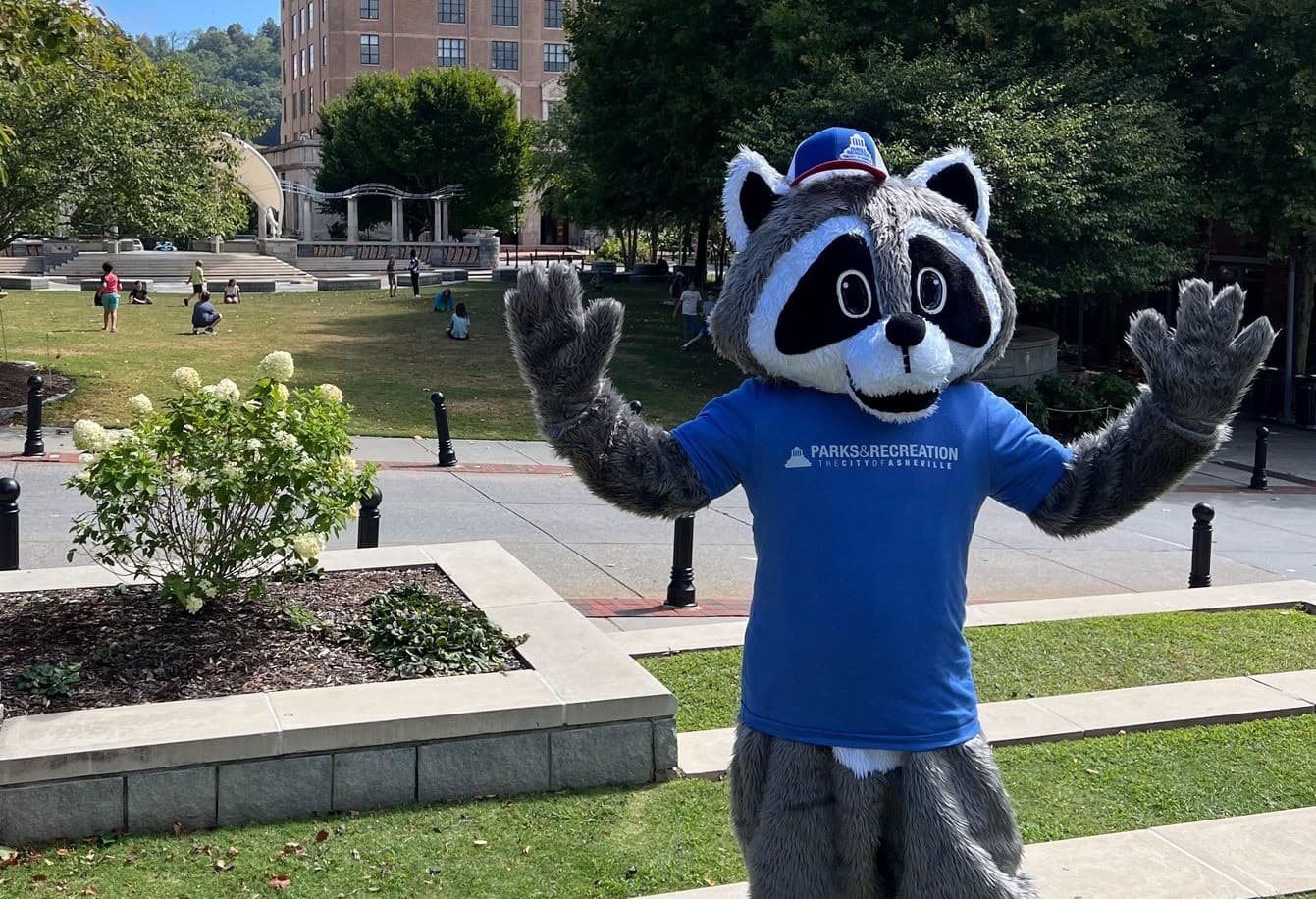
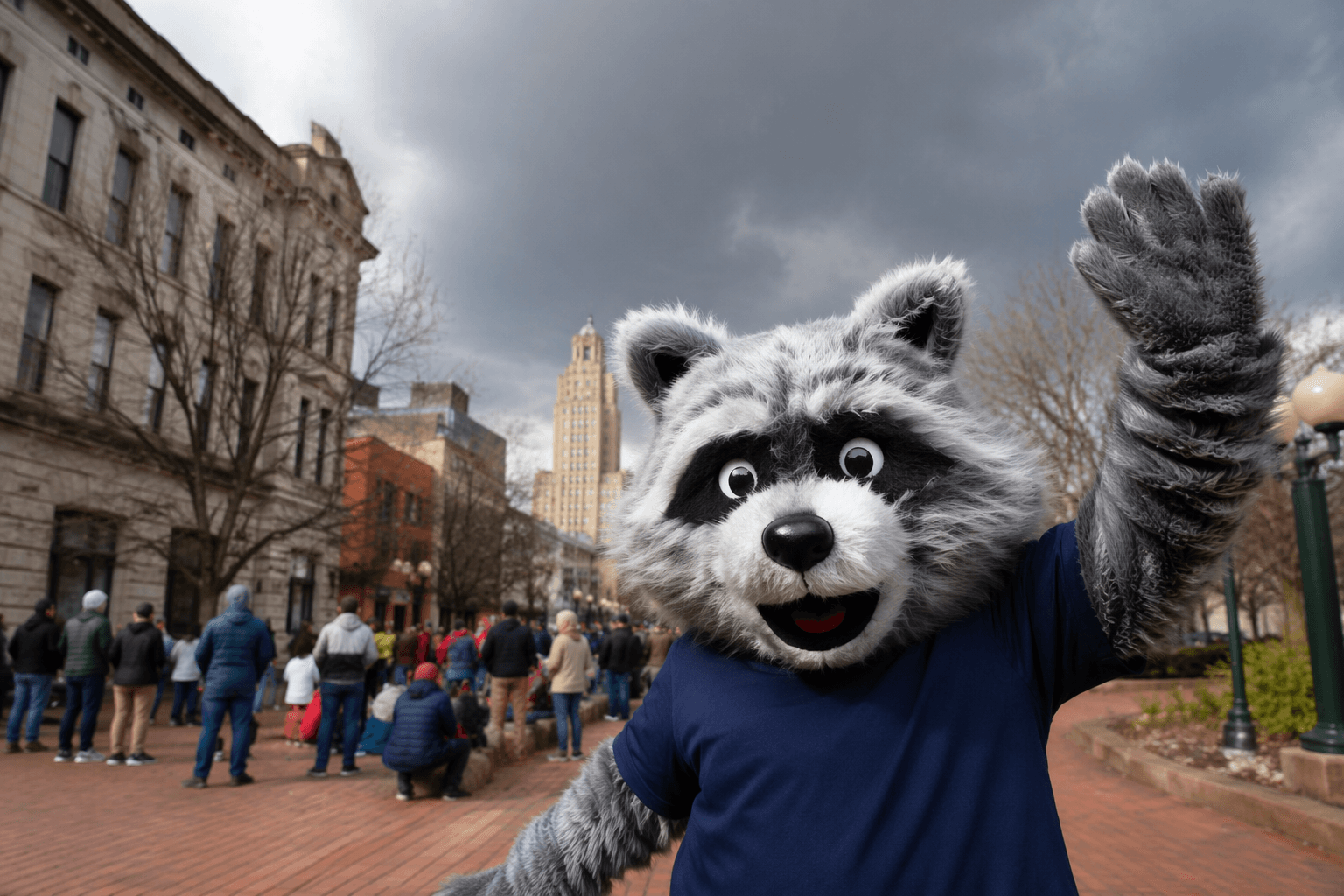
A lighthearted raccoon mascot that once helped promote Asheville Parks & Recreation has become a test of how the city handles race, oversight and workplace culture. The controversy grew after a T-shirt design sparked criticism from employees because it included wording tied to a racial slur, and the mascot was later retired.
Senior city staff first became aware of the offending items on April 23, and the matter quickly moved from an internal issue into public view through emails, scrutiny and online misinformation. Parks and Recreation Director D. Tyrell McGirt said the wording carried significant racial harm and that the shirts were created and approved inside the department without enough diversity of perspective or higher-level oversight.
McGirt apologized and said he would investigate how the apparel was produced so the department could do a better job of building a more respectful and inclusive environment. He did not name specific employees or say whether anyone had been disciplined, leaving open questions about accountability inside Asheville Parks & Recreation.
That silence matters because the department is one of the city’s most visible operations. Asheville Parks & Recreation says it manages parks, playgrounds, open spaces, recreation centers, swimming pools, Riverside Cemetery, sports fields and courts, and community centers. Its program guide advertises hundreds of fitness, sports, arts and culture, outdoor and special-event offerings, giving the department a large public footprint across Asheville and Buncombe County.
The episode also landed on McGirt at a moment when his standing in the community was high. On April 9, the City of Asheville announced that he had received the 2026 John Lewis Award from the Dr. Martin Luther King Jr. Association of Asheville and Buncombe County, a recognition that made the backlash more striking once the mascot issue surfaced.
The broader backdrop is a parks system already under pressure. Asheville adopted Recreate Asheville, a 10-year parks and recreation vision plan, in August 2024 as a roadmap to connect, fix, build and preserve recreation programs and parkland. Then came Helene recovery, and in December 2025 the city said cleanup had removed more than 1.29 million cubic yards of debris from major waterways and more than 1 million cubic yards from rights-of-way in Asheville and Buncombe County, helping reopen places such as Richmond Hill Park and Riverside Cemetery.
That history helps explain why a branding misstep resonated so widely. In a department that has spent years selling community engagement and rebuilding public spaces, the mascot controversy exposed a more basic question: whether the internal culture matches the inclusive values Asheville says it wants to project.
This article was produced by Prism’s automated news system from verified source data, official records, and press releases, then run through automated quality and moderation checks before publishing. The system is built and supervised by the people who set the standards it runs under. Read our full AI policy.
Did this article answer your question?