Asheville Merchants Fund awards $780,000 to Buncombe nonprofits
Health care training, car repairs and legal help are where Buncombe’s new $780,000 lands, with eight nonprofits split the money and no new round until 2029.

Buncombe County’s latest community investment landed first in the places residents feel it most: health care jobs, transportation, child care, legal help and training for people shut out of higher-wage work. The Asheville Merchants Fund, through the Community Foundation of Western North Carolina, awarded $780,000 in multi-year grants to eight Buncombe nonprofits in its April 2026 cycle, with the money spread over three years and aimed at strengthening the county’s economic backbone rather than funding one-time projects.
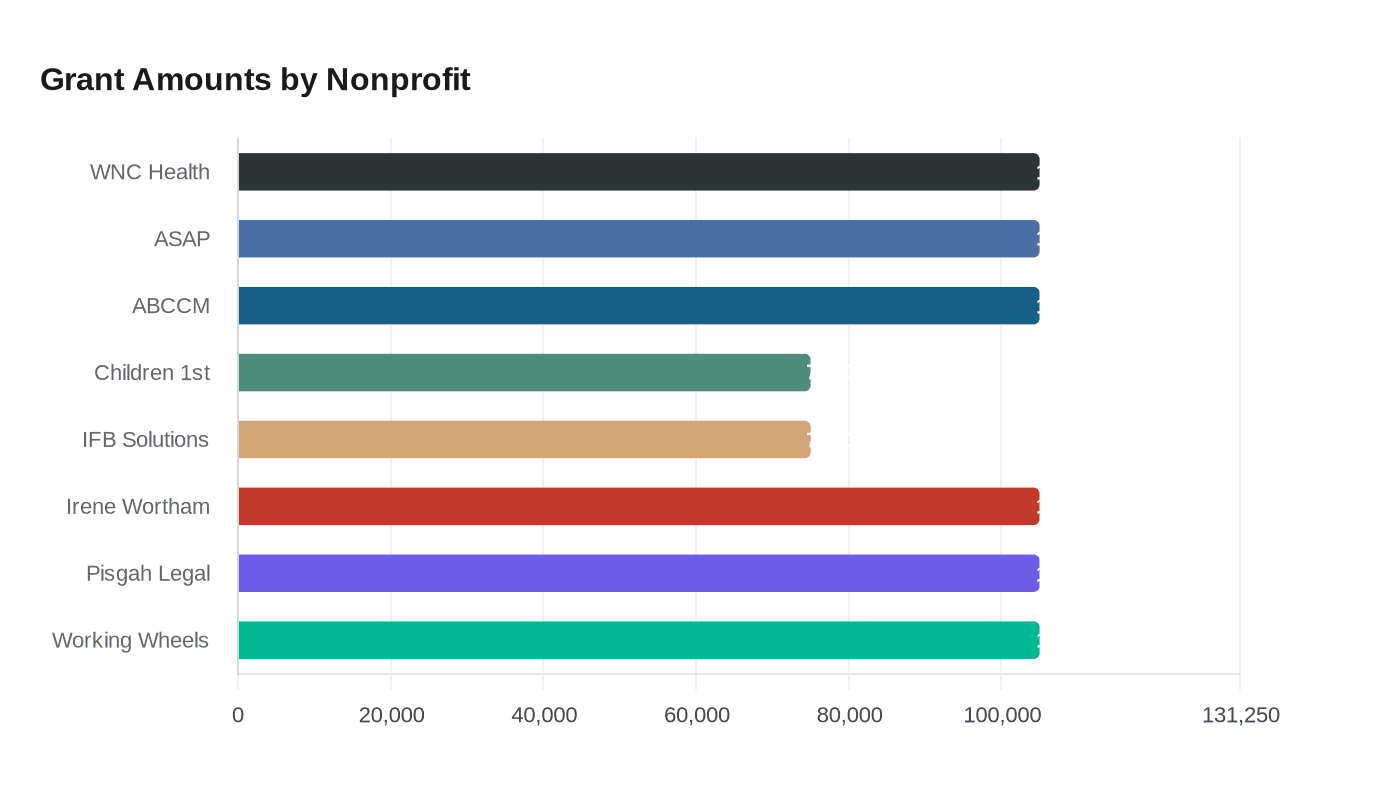
Western North Carolina Community Health Services received $105,000 over three years to expand workforce training and credentialing for employees moving into higher-paying health care roles. Appalachian Sustainable Agriculture Project also received $105,000 over three years to help small farms and local food businesses recover and stay resilient. Asheville-Buncombe Community Christian Ministry received $105,000 for job training and education services for homeless women at Transformation Village, while Children First/Communities in Schools of Buncombe County received $75,000 to extend free afterschool and summer programming for working families.
The rest of the grants targeted barriers that can block people from work before they even reach an interview. IFB Solutions Asheville Division received $75,000 to grow job training for blind and visually impaired residents. Irene Wortham Center received $105,000 to address a shortage of specialized early childhood educators serving children with intellectual and developmental disabilities and medically fragile conditions. Pisgah Legal Services received $105,000 to help low-income residents restore driver’s licenses and expunge eligible records, and Working Wheels received $105,000 to keep low-income workers on the road with affordable car repairs. For many families, that combination of a legal reset and a reliable car can mean the difference between holding a job and losing it.
Foundation officials described the grants as social infrastructure, the kind of support that lets people participate fully in the workforce while helping the region grow over time. The fund said the next application cycle is not expected until 2029, turning this round into a three-year commitment instead of a yearly check. The Community Foundation of Western North Carolina said it manages more than 1,300 charitable funds and has facilitated more than $456 million in grants and philanthropic investments across Western North Carolina.
This article was produced by Prism’s automated news system from verified source data, official records, and press releases, then run through automated quality and moderation checks before publishing. The system is built and supervised by the people who set the standards it runs under. Read our full AI policy.
Did this article answer your question?