Asheville Museum Spotlights Architects and Local Makers' Legacies
The Asheville Art Museum is presenting "Lasting Legacies: Architecture in Asheville" through January 18, 2026, highlighting the work of Richard Sharp Smith, Albert Heath Carrier, and Douglas D. Ellington. The exhibition connects architectural drawings and materials from 1895–1935 with decorative arts by local makers, offering cultural and economic value for Buncombe County residents.
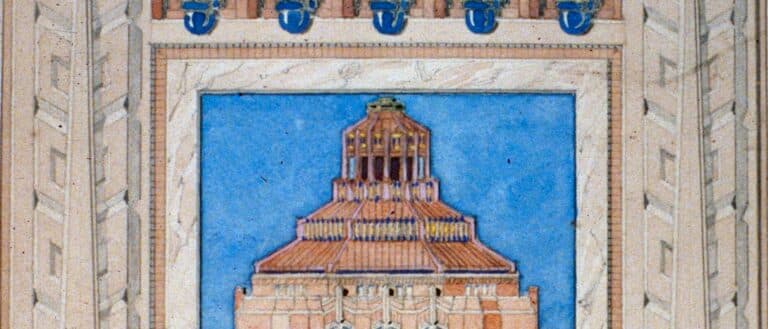
The Asheville Art Museum is hosting "Lasting Legacies: Architecture in Asheville" through January 18, 2026, a focused exhibition that examines how three designers shaped the city's built environment between 1895 and 1935. Displaying architectural materials alongside decorative arts, the show underscores the British Arts and Crafts influence and the later Art Deco contributions that defined several civic, commercial, religious, and domestic spaces across Asheville.
The exhibition centers on the work of Richard Sharp Smith, Albert Heath Carrier, and Douglas D. Ellington and pairs those architectural materials with craft objects from local producers including Biltmore Industries, Brasstown Carvers, and Dodge Silver. Curators frame the designers' projects across public and private spheres to help visitors see how stylistic movements translated into everyday structures and furnishings in Buncombe County.
Support from The Ellington Family and the National Endowment for the Humanities underlines the exhibition's dual cultural and public-interest purposes. That backing represents targeted investment in preserving and interpreting local architectural history, and it provides a concrete example of how federal and private support can underwrite regional cultural initiatives. For residents and local policymakers, the show highlights the role that curated heritage projects can play in both education and economic activity.
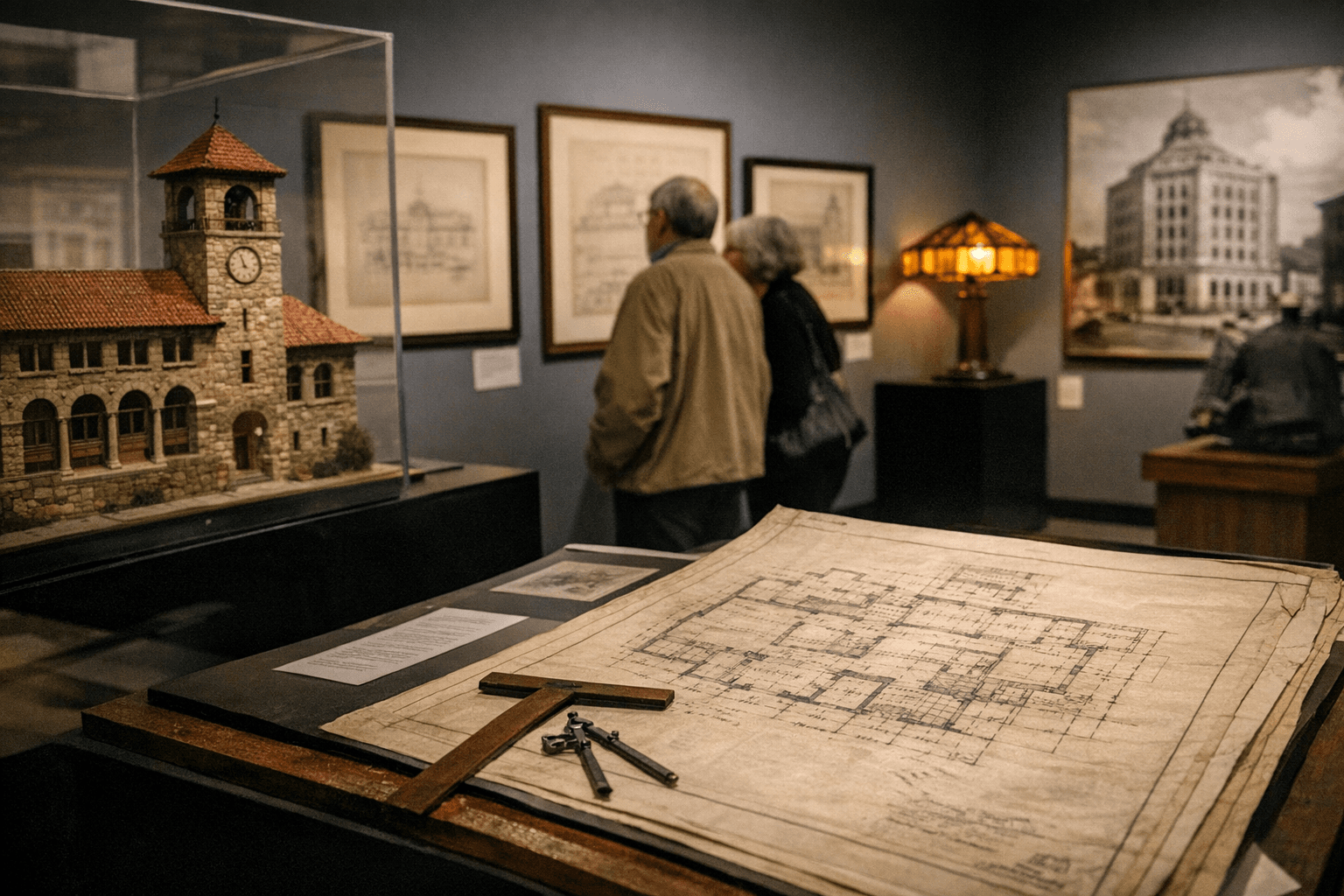
For Buncombe County, the exhibition is significant on several fronts. It gives local makers prominent visibility by situating their work within the architectural narrative, potentially increasing demand for regional craft and design. It also contributes to downtown cultural programming that draws visitors, supports adjacent businesses, and reinforces Asheville's identity as a center for arts and design. Because the display covers architecture from public buildings to private homes, it offers a resource for property owners, preservation advocates, and community planners considering how to balance development with historic character.
The museum has related public programs and visitor information available through its website for those seeking deeper engagement or educational opportunities tied to the exhibition. With the show open only through January 18, 2026, the museum provides a time-limited chance for residents to see how the city's physical and cultural landscape was shaped during a formative four-decade span.
Know something we missed? Have a correction or additional information?
Submit a Tip