Asheville plans stronger flood alerts after Helene exposed gaps
Asheville says it has finished 58% of its Helene fixes and wants new gauges, sirens and alerts after one evacuation warning took hours to reach a phone.

Asheville leaders are moving to harden the city’s flood-warning system after Helene exposed how quickly warnings, radio traffic and evacuation messaging can fall behind a fast-rising river.
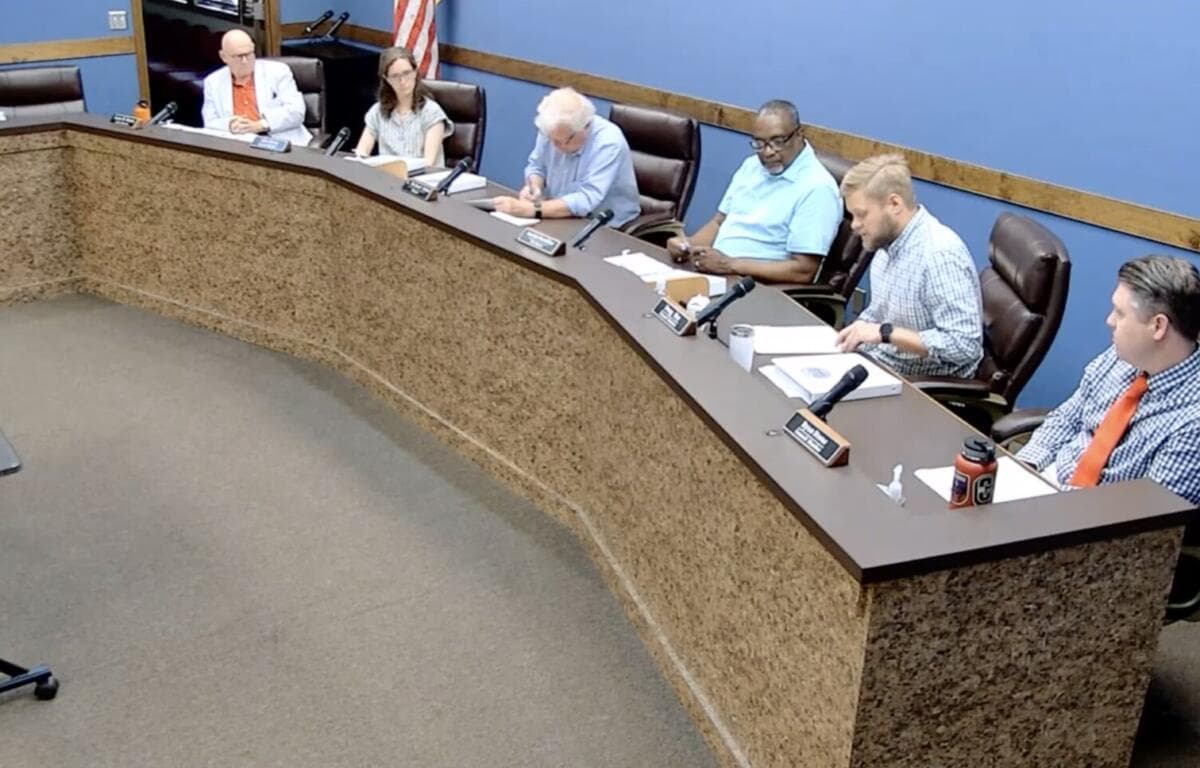
At the Asheville Public Safety Committee meeting Thursday, Assistant Fire Chief Jeremy Knighton said the city has completed about 58% of the improvement actions identified in its Helene after-action review. Asheville has already updated its Emergency Operations Plan and is revising its Continuity of Operations Plan, a sign that officials are trying to turn Helene’s failures into a more dependable playbook for the next emergency.
The city is now seeking nearly $500,000 in FEMA Public Assistance money to replace damaged flood gauges and more than $2 million through FEMA’s Hazard Mitigation Grant Program to expand the flood-warning network with as many as 22 additional monitoring sites. Those sites could include stream gauges, rain gauges, cameras and sirens, giving Asheville more ways to spot danger before water reaches roads, homes and critical infrastructure.
Officials said the eight damaged gauges now being replaced should be back in service by next summer. That matters in a city where steep slopes, small watersheds and low-lying roads can turn heavy rain into a life-threatening event in a matter of hours.
State and federal reviews have reinforced why the city is focusing on redundancy. North Carolina Emergency Management commissioned a third-party review of Helene response, and the final report said local alert systems saved countless lives while also flagging communications breakdowns, interoperability problems and staffing pressures. It also pointed to the strain on VIPER, the state emergency radio network, as a major challenge during the storm.

Helene’s warning failures remain a central part of the cautionary lesson. Buncombe County issued a mandatory evacuation order through IPAWS at 6:15 a.m. on Sept. 27, 2024, but one resident told CBS News that the alert did not reach her phone until 1 p.m., after a landslide had already happened. In Asheville, the French Broad River climbed to 23.1 feet, the highest flood stage recorded there since measurements began in October 1895, underscoring how little margin there was for delay.
The upgrades are being folded into Buncombe County’s wider recovery, which county materials say includes a Helene framework with seven Recovery Support Functions and $324 million in FEMA disaster relief approved for more than 146,000 households and individuals. For Asheville, the test now is whether the new warning network can give residents what Helene did not: faster notice, clearer evacuation guidance and a better chance to get out before floodwater cuts off the route.
This article was produced by Prism’s automated news system from verified source data, official records, and press releases, then run through automated quality and moderation checks before publishing. The system is built and supervised by the people who set the standards it runs under. Read our full AI policy.
Did this article answer your question?