Asheville police officers added to national memorial for line-of-duty deaths
Two 12-year Asheville police veterans, long missing from the record, were added to the national fallen officers archive after research tied their deaths to duty injuries.
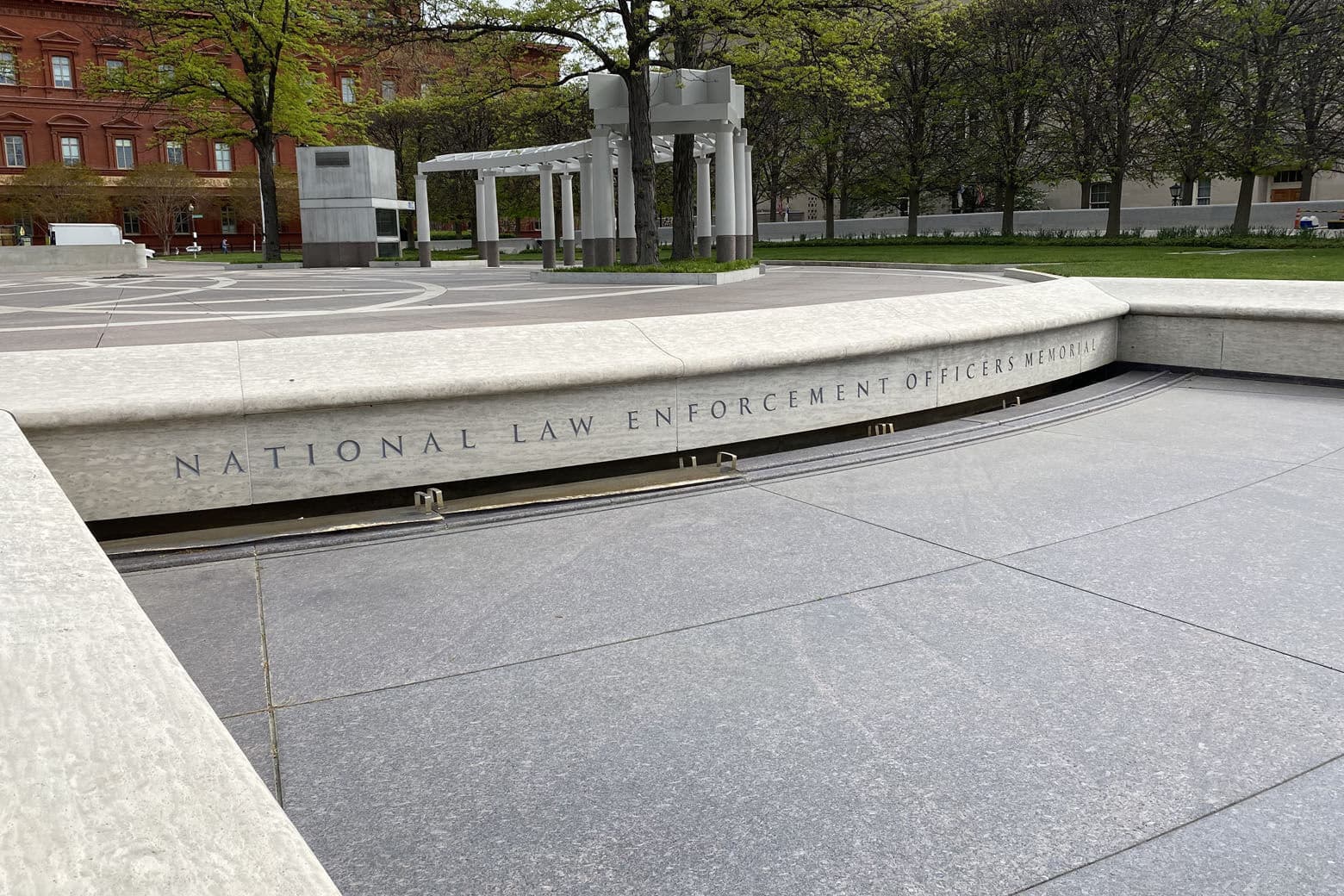
Two 12-year Asheville Police Department veterans, Sergeant Frank J. Hagan and Officer Arthur Ramsey, were formally identified as line-of-duty deaths after a multi-year review tied their deaths to injuries suffered while policing Asheville’s streets. Their names will be added to the National Law Enforcement Officers Memorial in Washington, D.C., a formal recognition that places two long-overlooked deaths into the city’s official police history.
Hagan’s case reaches back to August 15, 1933, when he was critically injured while chasing meter thieves on a police motorcycle. He crashed into a parked vehicle and suffered a compound fracture to his leg. Hagan returned to active duty in September 1934, but the injury never fully left him. He died on September 3, 1937, at age 37, from complications tied to that wound.
Ramsey’s story is even older. On April 24, 1931, he was struck by a vehicle while leaving a hospital during an investigation with another officer. The crash caused spinal injuries that worsened over time. Ramsey later returned partially to work at police headquarters, retired in 1933 and was classified as totally disabled. He died on February 25, 1935, at age 41, from complications related to those injuries.
The Asheville Police Department’s historical review began as officials looked ahead to the agency’s 150th anniversary in 2025 and decided to take a closer look at its past. That effort uncovered records strong enough to connect both men’s duty-related injuries to their deaths, allowing the National Law Enforcement Officers Memorial Fund to place them in its fallen hero archive. Their entries were added on January 30, 2026, and the memorial fund has said they are approved for inclusion on the memorial.
For Asheville, the recognition is more than ceremonial. It suggests that parts of the department’s early record-keeping were incomplete, or at least not connected in ways that preserved these deaths in the broader institutional memory. For descendants and historians, the formal listing restores two officers to the city’s documented police history. For the department, it turns a centennial-era review into a permanent accounting of who served, who was hurt, and who never fully made it home.
This article was produced by Prism’s automated news system from verified source data, official records, and press releases, then run through automated quality and moderation checks before publishing. The system is built and supervised by the people who set the standards it runs under. Read our full AI policy.
Did this article answer your question?