Asheville reacts to Live Nation ruling, hopes for cheaper concert tickets
A federal jury found Live Nation and Ticketmaster liable for monopolizing live music, and Asheville fans are asking whether fees and ticket prices will finally fall.
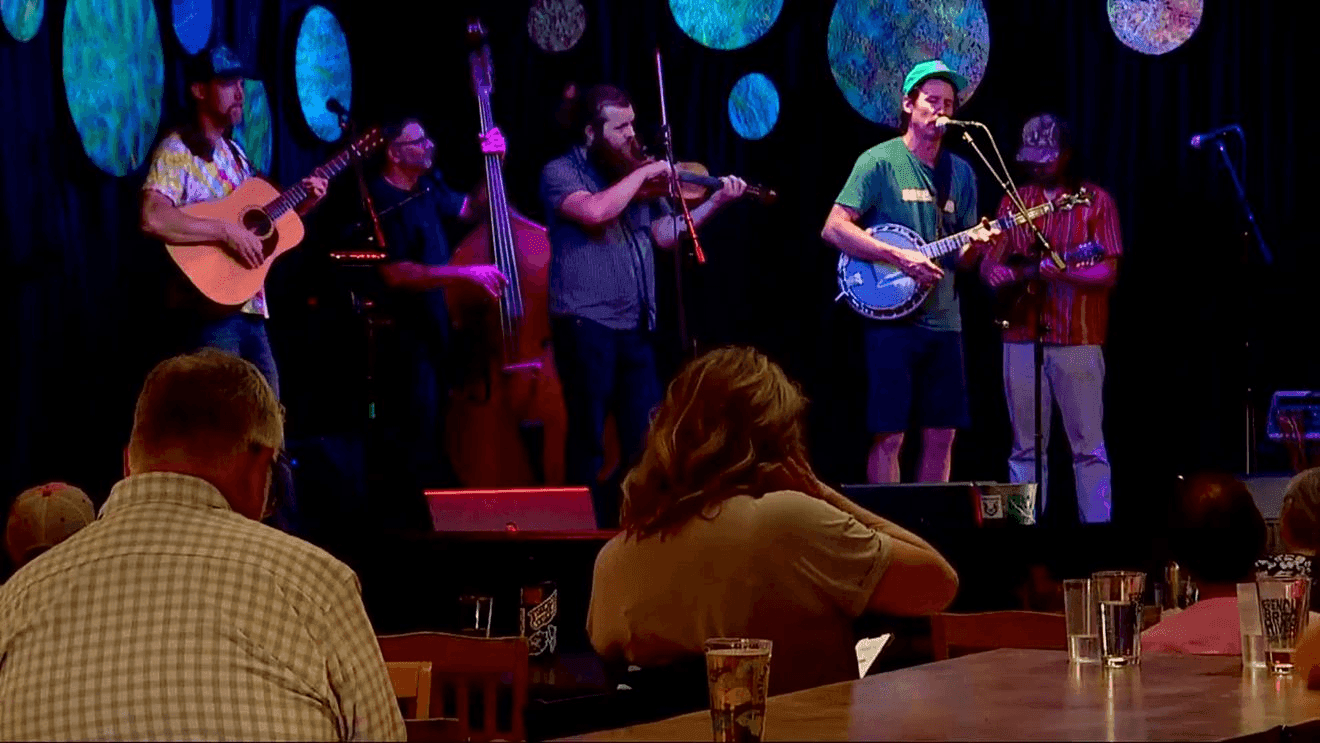
In Asheville, the immediate question after the Live Nation verdict was not about courtroom drama in Manhattan. It was whether the people buying tickets for shows at downtown clubs, theaters and larger venues will actually see lower prices, smaller fees or better access anytime soon.
A federal jury on April 15 found Live Nation and Ticketmaster liable for illegally monopolizing a major part of the live entertainment industry, siding with North Carolina and 33 other states. North Carolina Attorney General Jeff Jackson said the decision confirmed what many concertgoers had long felt: that ticket prices had been pushed higher by monopoly power. In a statement from the North Carolina Department of Justice, Jackson said, “The verdict’s in. We just won our case against Live Nation and Ticketmaster on all claims, and we’re closer to breaking down their illegal monopoly over the live entertainment industry.”
That message landed in a city where live music is not a side business. ArtsAVL-backed research found Asheville and Buncombe County’s music industry generated $436 million in total economic activity in 2023, supported about 2,190 jobs and produced more than $39 million in tax revenue. Visitors added even more pressure and opportunity to the market: the latest tourism-impact study cited by local officials said visitors contributed nearly $3 billion to Asheville and Buncombe County, making concerts part of a larger visitor economy that supports hotels, restaurants and downtown nightlife.

For local fans, the issue is personal. One Asheville concertgoer said Live Nation had made it financially difficult to attend shows. Local bluegrass musician Will Saylor said the ruling could help artists if more people can afford to come out. That concern is especially sharp in a market where a higher ticket total can decide whether a resident sees one show a month or none at all, and whether a touring act draws a full room or plays to a crowd trimmed by fees.
The verdict did not change prices immediately. The case now moves into a second phase, where penalties will be decided, and Live Nation said the verdict was not the last word. The broader legal fight began in May 2024, when the U.S. Department of Justice and a coalition of states filed suit. A judge denied Live Nation’s motion to dismiss in March 2025, and trial began in March 2026. Under a March 2026 settlement framework described by the Justice Department, Live Nation agreed to let competitors offer tickets to its events, cap service fees at 15 percent and divest more than 10 amphitheaters, but North Carolina and other plaintiff states kept pressing for stronger remedies. For Asheville, the question now is how much that pressure can finally reshape the cost of going out.
This article was produced by Prism’s automated news system from verified source data, official records, and press releases, then run through automated quality and moderation checks before publishing. The system is built and supervised by the people who set the standards it runs under. Read our full AI policy.
Did this article answer your question?


