Asheville weighs lead pipe replacements against housing funds
Asheville set aside $500,000 for lead pipe work, but the move came with cuts to some housing nonprofits and a sharper focus on lower-income neighborhoods.
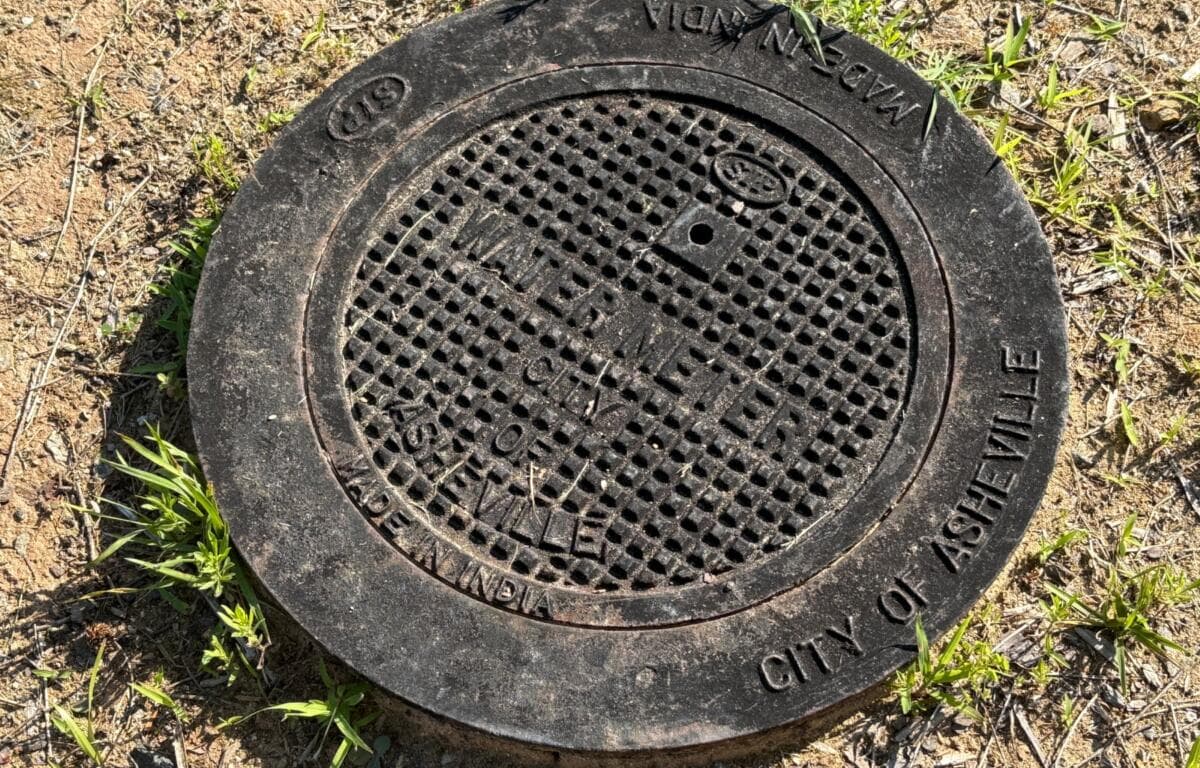
Asheville is preparing to steer $500,000 toward replacing lead water service lines even as it trims federal housing support for some long-time partners, forcing a hard choice between safer drinking water and the community services many residents depend on. The city expects to receive a little more than $2 million in Community Development Block Grant and HOME funds in the coming year, and officials say the lead-pipe work is justified because federal rules require utilities to identify and replace lead service lines by 2036.
The replacement effort is aimed first at neighborhoods where homeowners are least likely to afford the estimated $5,000 cost of replacing a service line on their own. Asheville estimates its full responsibility could run into several million dollars over the next decade. The Asheville Water Resources Department is also building a service-line inventory, because many customer-owned lines are still listed as unknown. Residents can upload photos, request an appointment, or confirm that a line has already been replaced. The city said annual notices for lead pipe, galvanized iron pipe requiring replacement, or unknown material were expected by the end of 2025.

At the same time, Asheville is redirecting housing dollars in ways that will reach some residents and bypass others. The city is cutting or eliminating support this cycle for Homeward Bound, Mountain BizWorks and OnTrack Financial Education and Counseling, organizations that have relied on CDBG funding for homelessness services, small-business assistance and financial counseling. It will continue funding home repair assistance through Asheville Area Habitat for Humanity, rental assistance administration through HelpMate, and eviction prevention and legal services through Pisgah Legal Services. City staff estimate the plan will directly support about 505 households.
The HOME program is being narrowed to new affordable rental housing construction, with the money used mainly as gap financing for larger apartment and multifamily projects. Asheville’s Community Development Division administers CDBG and HOME not only for the city, but for a four-county consortium that includes Buncombe, Henderson, Transylvania and Madison counties. The public comment period for the 2026-2027 Annual Action Plan ran from May 4 through June 5, 2026, and a public hearing was held May 26.

The lead-pipe decision landed inside a broader recovery fight over how Asheville should spend disaster money after Helene. On the same day as the hearing, 10 local housing nonprofits in the Buncombe Affordable Housing Network pushed the city to use its $225 million CDBG-DR grant for long-term income-restricted housing development instead of shifting more money to home repairs through Renew NC. City officials had initially allocated enough to repair eight homes, then proposed moving around $19 million to fix about 65 houses, with a June 23 vote planned.
This article was produced by Prism’s automated news system from verified source data, official records, and press releases, then run through automated quality and moderation checks before publishing. The system is built and supervised by the people who set the standards it runs under. Read our full AI policy.
Did this article answer your question?