Asheville workshop helps deaf residents prepare for emergencies
Asheville will host a free workshop for deaf and hard-of-hearing residents ahead of summer storms, with guidance on alerts, shelters and backup communication.
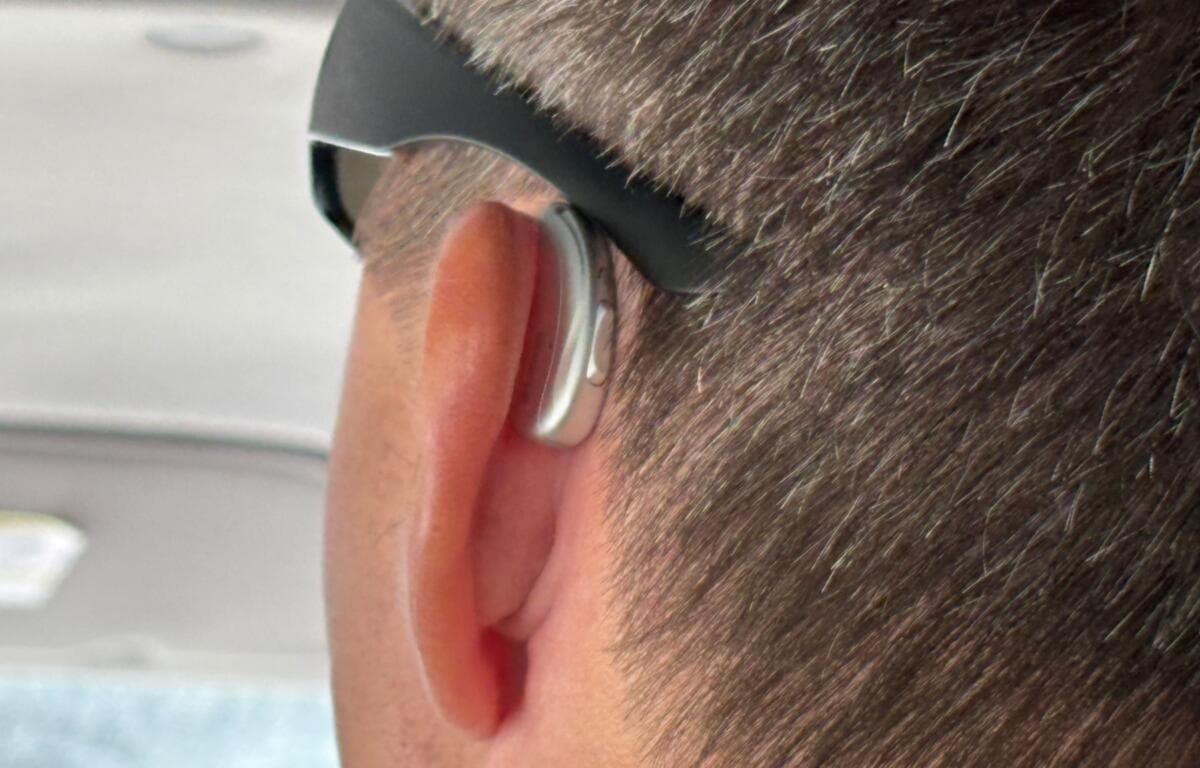
Asheville’s deaf and hard-of-hearing residents will get a free emergency preparedness workshop on Saturday, June 6, as state officials try to close a gap that can turn a disaster alert into a missed warning.
The NC Department of Health and Human Services Division of Services for the Deaf and Hard of Hearing Asheville Regional Center announced the session on May 25. It is aimed at deaf, hard-of-hearing and deaf-blind people and is intended to help participants better understand how to respond when storms, power failures or other emergencies cut off the systems many people rely on first.

That access problem is not abstract in Buncombe County. Severe weather can interrupt electricity, transportation and communication at the same time, leaving people without phone alerts, televised instructions or fast updates about shelters and road closures. The workshop is meant to help residents think through what happens when an emergency message is missed, how to plan backup communication with family and neighbors, and how to keep moving when standard alert systems are not enough.
The state division says it serves Deaf, Hard of Hearing and DeafBlind North Carolinians through seven regional centers. Its emergency-preparedness materials also provide resources for community members and communication guidance for emergency responders, reflecting a broader push to make disaster planning more inclusive before an emergency starts, not after people are already stranded or confused.
Those tools matter in Asheville because local alert systems already offer multiple ways to receive warnings. Buncombe County says residents can sign up for emergency alerts by landline, cellphone, text message, email, TTY and the CodeRED mobile app. Asheville’s AVL Alert system lets users choose communication methods and up to five geographic locations within city limits, a feature that can help people track more than one home, workplace or caregiving location.
State resources add another layer. North Carolina residents with hearing loss can receive a free Weather Alert Radio with alerting devices through the division. FEMA’s Office of Disability Integration and Coordination says accessible emergency management should include evacuation planning, accessible transportation and communication devices for people with disabilities, underscoring that communication access is part of survival planning, not an extra service.
The workshop lands at a moment when emergency readiness remains a live issue in Western North Carolina, including continued Hurricane Helene recovery discussions in 2025. For Asheville and Buncombe County, that makes the June 6 gathering less like a routine class and more like a practical response to a region that knows how quickly disaster can outpace communication.
This article was produced by Prism’s automated news system from verified source data, official records, and press releases, then run through automated quality and moderation checks before publishing. The system is built and supervised by the people who set the standards it runs under. Read our full AI policy.
Did this article answer your question?