Asheville’s Riverside Cemetery blends history, landscape and daily park life
Riverside Cemetery is still used like a park, even as Helene damage exposed how much drainage, slope and wall repair now matter to Asheville’s history on the ground.
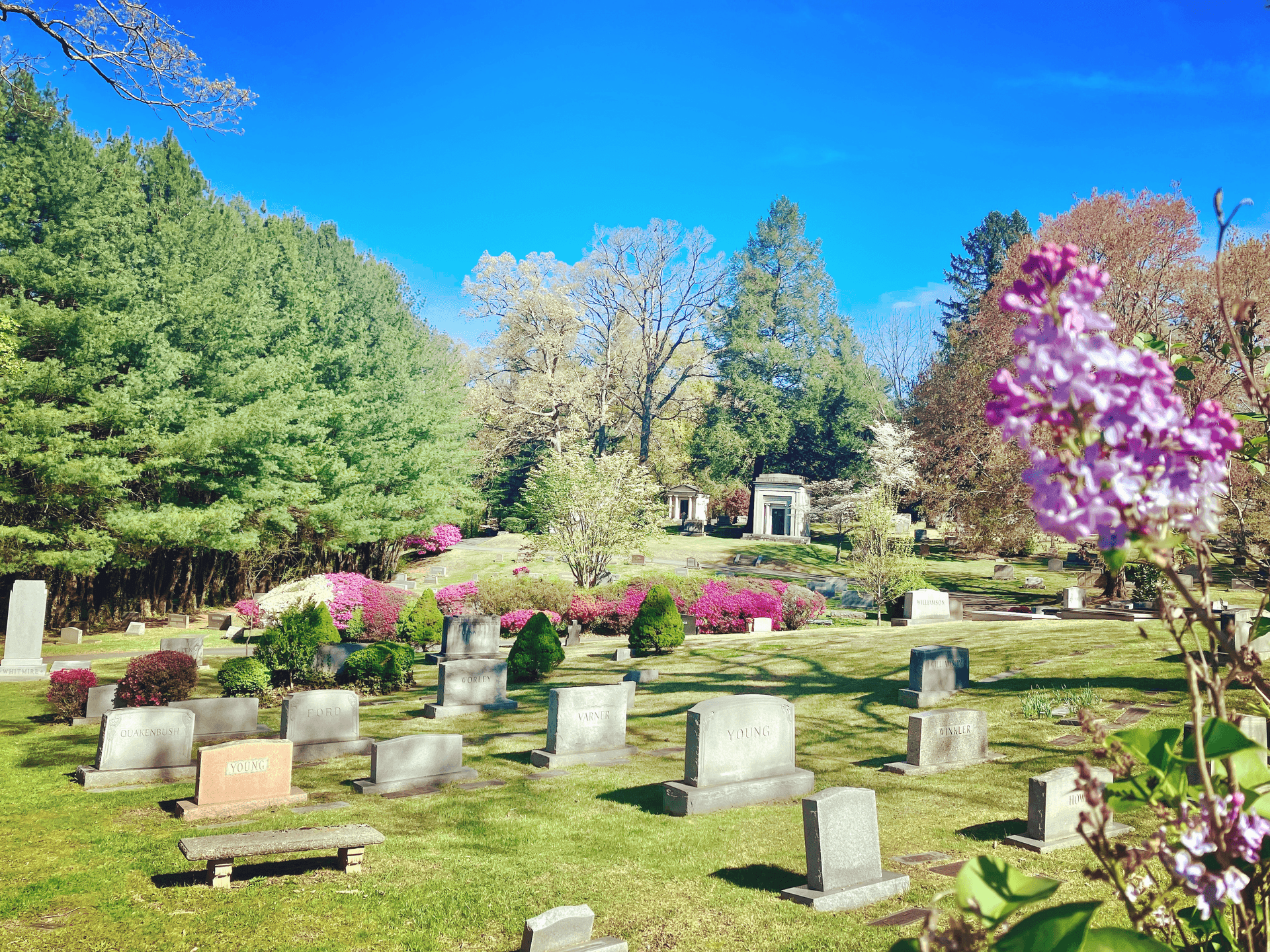
Riverside Cemetery is one of Asheville’s clearest examples of a place that must be preserved while still being used. The 87-acre landscape in Montford holds more than 13,000 graves, about 9,000 monuments and a dozen family mausoleums, yet residents still move through it as part of the city’s daily park life.
A historic cemetery that still functions like a public landscape
Established in 1885, Riverside Cemetery is an active city cemetery with rolling hills and gardens that make it feel closer to a designed landscape than a static burial ground. The City of Asheville presents it within the parks system, and its Park Views feature makes the point plainly: this is a place people visit, not just a place they inherit in memory.
That dual identity changes how the site has to be managed. Headstones and mausoleums matter, but so do paths, slopes, walls and drainage, because the cemetery is used by walkers, neighbors and visitors who move through it as part of everyday Asheville life. In a mountain city, the condition of the ground itself becomes part of the civic story.
What the Montford setting adds
Riverside Cemetery sits in Asheville’s Montford area and within the Montford Historic District, which places it inside one of the city’s most layered neighborhoods. Montford became firmly established in the modern record in 1893, when a small community of about 50 people, roughly one mile north of Battery Park Hill, was incorporated. The village was annexed to Asheville in 1905, and the Montford Area Historic District was later documented in a National Register nomination form.
That context matters because Riverside Cemetery is not isolated from the neighborhood around it. It sits within a residential and preservation landscape where cemeteries, streets, houses and public spaces all help tell the same story about how Asheville grew. The result is a site that carries both local memory and neighborhood identity, with the cemetery serving as one of the most visible anchors in Montford.
Why people still walk it
The cemetery’s scale and setting make it a natural place for a slow walk through Asheville history. Its grounds include the graves and memorials of Thomas Wolfe, O. Henry, George Masa and Kenneth Noland, along with a monument dedicated to 18 World War I German prisoners of war. Those names connect the site to literature, photography, visual art and wartime memory in a way that few public spaces in Buncombe County can match.
A visit also reveals how open-air archives work in practice. The rows of monuments, family mausoleums and memorial markers are not separated from the landscape, they are part of it, which is why the site reads as both a cemetery and a public garden. For residents, that means a walk there is not just scenic, it is a way of moving through Asheville’s cultural record on foot.
Helene changed the preservation equation
The City of Asheville says Riverside Cemetery and Montford Park both suffered significant damage from Tropical Storm Helene. The listed impacts include retaining walls, stormwater systems, roadways, sinkholes, slope failures and fencing, a reminder that historic preservation here is also an engineering problem.
Those kinds of failures matter because they shape access as much as appearance. If stormwater systems are compromised or slopes fail, the damage can affect where people can safely walk, how the cemetery drains after heavy rain and how stable the grounds remain over time. In a place defined by hills and gardens, preserving the setting means caring for the infrastructure below it as much as the stone above it.
What to notice on a visit
A visit to Riverside Cemetery is most rewarding when you pay attention to both the memorials and the landscape around them. The site’s character comes from the way its historic burials, open lawns, mature terrain and civic use all overlap.
- the 87 acres of rolling hills and gardens that give the cemetery its park-like feel
- the density of graves, monuments and family mausoleums that mark its long use since 1885
- the memorials tied to Asheville’s literary and artistic history, including Thomas Wolfe, O. Henry, George Masa and Kenneth Noland
- the physical systems that make public access possible, especially walls, drainage and stable paths
Look for:
That combination is what makes Riverside Cemetery different from a conventional scenic stop. It is a working burial ground, a neighborhood landmark and a shared green space at once, which is why the condition of the land matters to people who remember relatives there as much as to people who simply walk through it.
Why the site matters across Buncombe County
Riverside Cemetery shows how Asheville often preserves place through use, not by freezing it. The city’s own materials place the cemetery inside its public landscape system, while the Montford district context ties it to one of the city’s most recognizable historic neighborhoods. Add the Helene damage, and the stakes become clear: if maintenance, interpretation or access fall short, Buncombe families lose more than a scenic walk, they lose a living civic space that holds history, recreation and stewardship in the same ground.
This article was produced by Prism’s automated news system from verified source data, official records, and press releases, then run through automated quality and moderation checks before publishing. The system is built and supervised by the people who set the standards it runs under. Read our full AI policy.
Did this article answer your question?