Black Mountain faces $2.8 million budget gap, weighs tax increase
Black Mountain’s budget draft opened with a $2.8 million hole, putting higher water rates, cuts and delayed maintenance on the table for residents.

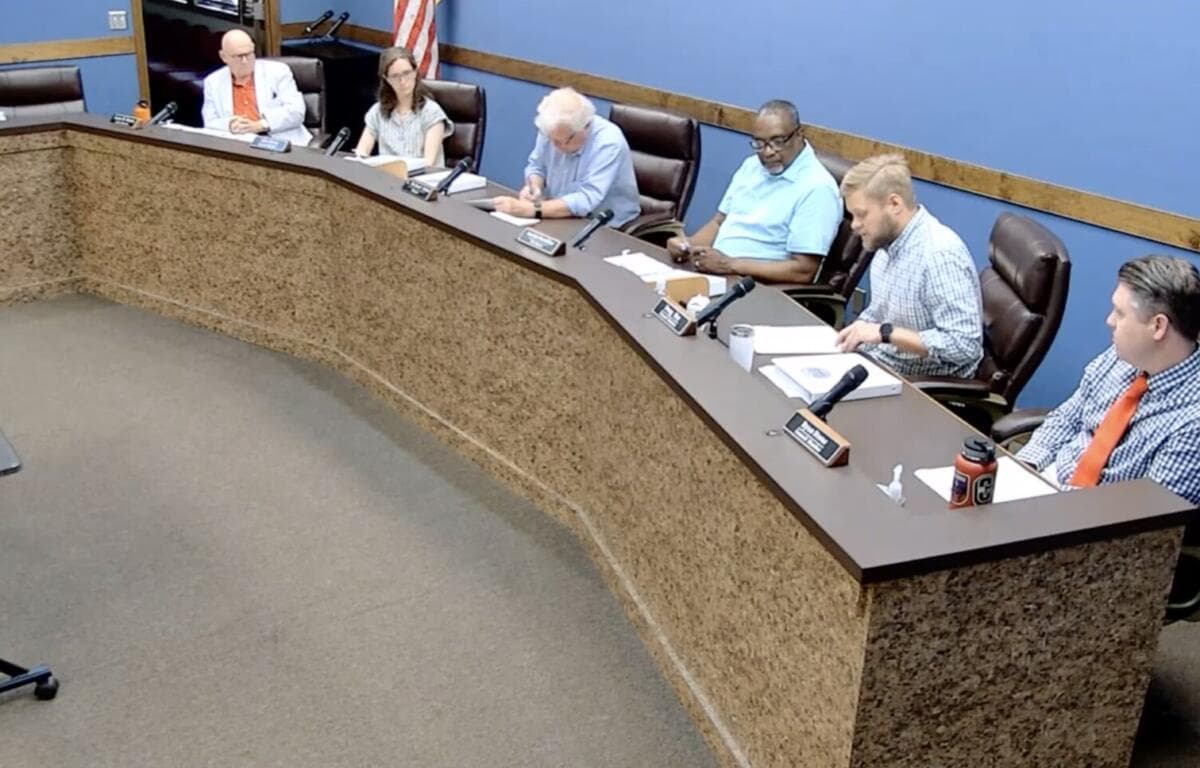
Black Mountain’s first 2026-27 budget draft left town leaders confronting a combined $2.8 million gap, with about $1.9 million missing from the general fund and another $918,000 short in the water fund. Interim Town Manager Richard Hicks laid out the numbers during work sessions on May 20 and May 21, when the Town Council began sorting through what it would take to keep the budget in balance without pushing the burden onto residents.
The arithmetic now points toward difficult tradeoffs. Under current assumptions, the town would need a 6.8-cent property tax increase above the revenue-neutral rate to avoid additional cuts, while a freeze tied to revaluation could require an even larger increase. That puts several familiar pressure points in play at once: water rates, staffing, road and system maintenance, and day-to-day services that residents tend to notice only when they slip.

Hicks said the budget is not finalized, and more workshops are ahead. But the size of the gap makes the coming decisions sharper than a routine annual cleanup. Black Mountain has already been operating under tight fiscal conditions for years, with elected leaders weighing a $2.4 million budgetary shortfall in the 2024-25 cycle and then reviewing a proposed $19.5 million spending plan for 2025-26 that was 11.2% below the year before. Town leaders linked much of that reduction to Tropical Storm Helene.

The current budget strain also reflects the town’s broader recovery work. In November 2025, Black Mountain officials adopted multiple resolutions, capital project ordinances and budget amendments tied to Helene recovery, underscoring how storm-related costs have continued to shape local spending long after the initial emergency passed. Hicks, whom the Town Council appointed interim manager in a unanimous 4-0 vote on Jan. 5, has said budget work and FEMA-related recovery projects are among his priorities.
State action is adding another layer of uncertainty. North Carolina Senate Bill 889 would require counties with reappraisals effective Jan. 1, 2026, to use the prior schedule of values for the 2026-27 fiscal year, rather than the new one. The bill advanced through the Senate in early May and was referred to the House Rules, Calendar and Operations Committee on May 11. For Black Mountain, that could affect when new property values translate into revenue, and whether town leaders have to choose between a higher tax rate, leaner staffing or deferred investment in water and other basic services.
This article was produced by Prism’s automated news system from verified source data, official records, and press releases, then run through automated quality and moderation checks before publishing. The system is built and supervised by the people who set the standards it runs under. Read our full AI policy.
Did this article answer your question?