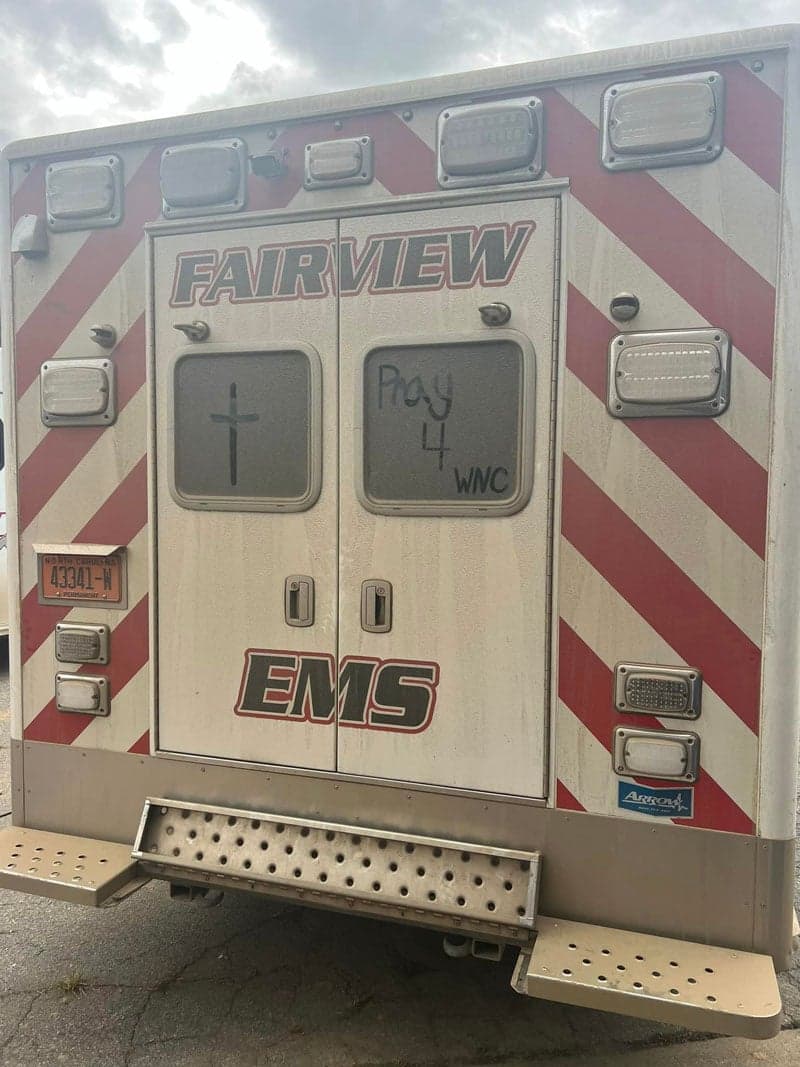
Black Mountain family turns flood-damaged land into community farm
A six-acre Black Mountain parcel scarred by Helene now holds flowers, herbs and produce, with the Bulans planning food donations and a shared gathering space.
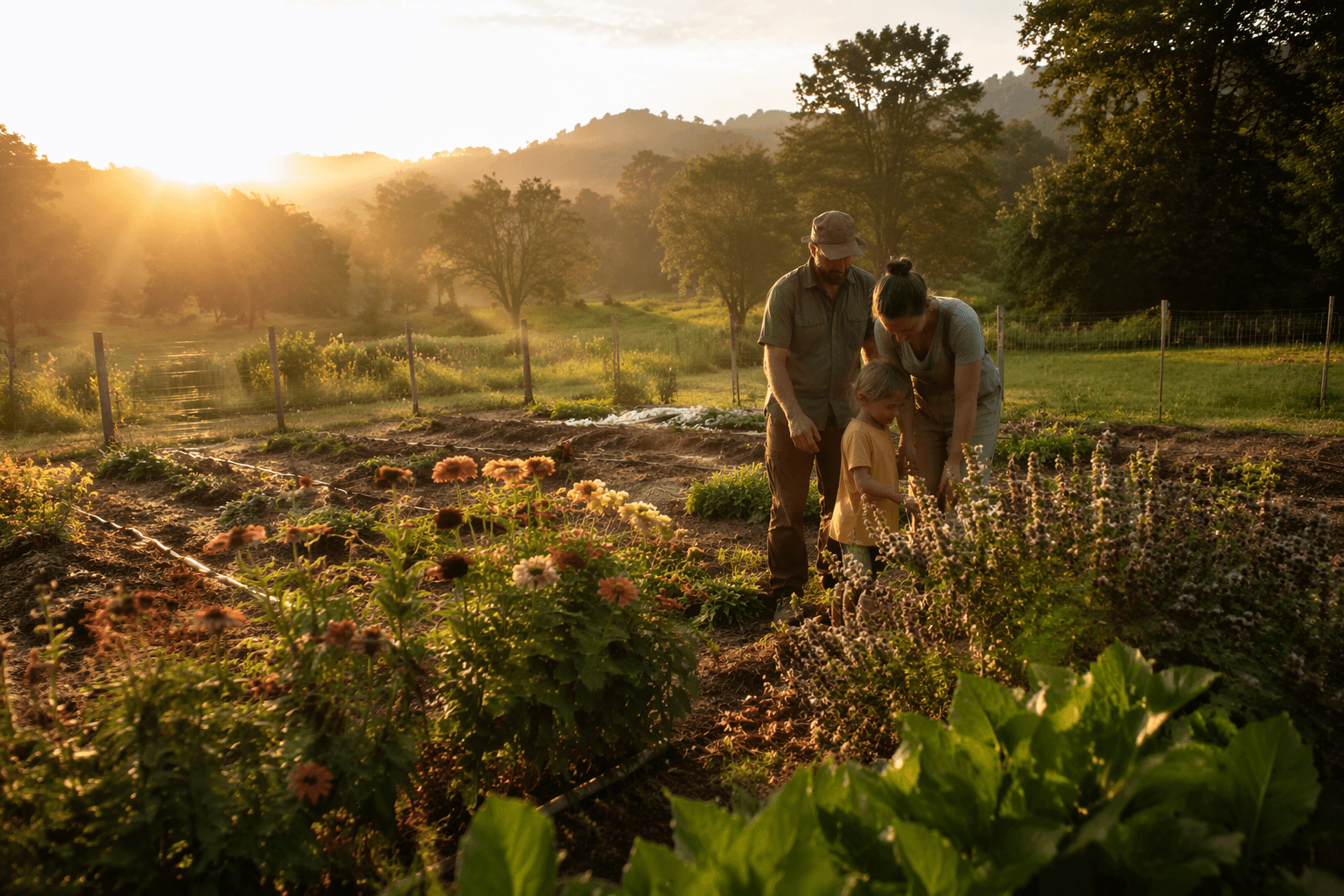
Mary Bulan and her family are turning a flood-damaged stretch of land along the Swannanoa River into a working community farm, using a six-acre Black Mountain property to do more than recover from Helene. The site now includes flowers, herbs, produce and other crops, with the family aiming to create a place that can feed neighbors, support hunger-relief groups and give residents and visitors a reason to gather in a river corridor still marked by storm damage.
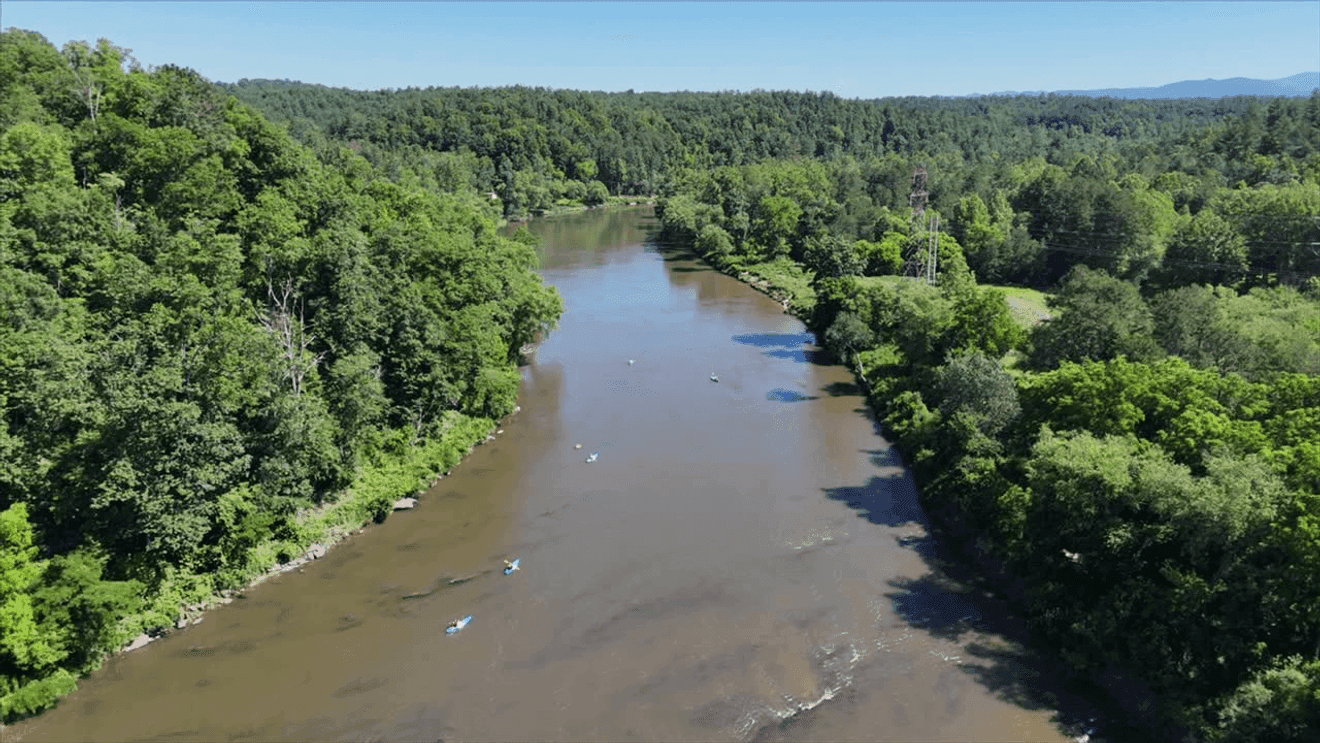
That choice carries weight in Buncombe County, where Helene tore through the Southern Appalachians after landfall on Sept. 26, 2024. NOAA has called the storm a 1-in-1000-year event, with an estimated $78.7 billion in damage and more than 200 deaths. The floodwaters hit the Swannanoa and Black Mountain corridor especially hard. N.C. Department of Transportation said Helene destroyed Swannanoa River Road by flooding the Swannanoa River, and it took about six months of cleanup, restoration and construction before the road reopened in April 2025.
The farm also speaks to a basic need that has not gone away in Western North Carolina. MANNA FoodBank says more than 120,000 people in the region are struggling with food insecurity, and about one in four children face the same pressure. MANNA says it handles more than 200,000 pantry visits each month and distributes food through more than 300 partner pantries, meal sites and schools. By planning to donate crops to hunger-relief organizations, the Bulans are tying a small parcel on the river to a much larger system that is still under strain.
Buncombe County’s recovery has also shown how much work remains beyond any single property. County officials say Helene recovery was slowed by extensive damage to public water infrastructure, and the county’s framework includes seven Recovery Support Functions covering debris management, economic revitalization, health and social services, housing, infrastructure, and natural and cultural resources. Against that backdrop, the Bulans’ farm is more than a family project. It is a practical reuse of flood-scarred land, one that could offer a model for other storm-hit property owners looking to turn damaged ground into something useful again.
This article was produced by Prism’s automated news system from verified source data, official records, and press releases, then run through automated quality and moderation checks before publishing. The system is built and supervised by the people who set the standards it runs under. Read our full AI policy.
Know something we missed? Have a correction or additional information?
Submit a Tip