Buncombe County Board Advances NC C-PACE Plan; EDC and MPO Cite Growth
Buncombe County advanced a plan to join NC C-PACE to help commercial property owners finance energy and resilience upgrades; the move accompanies reports showing strong regional growth and transportation pressures.

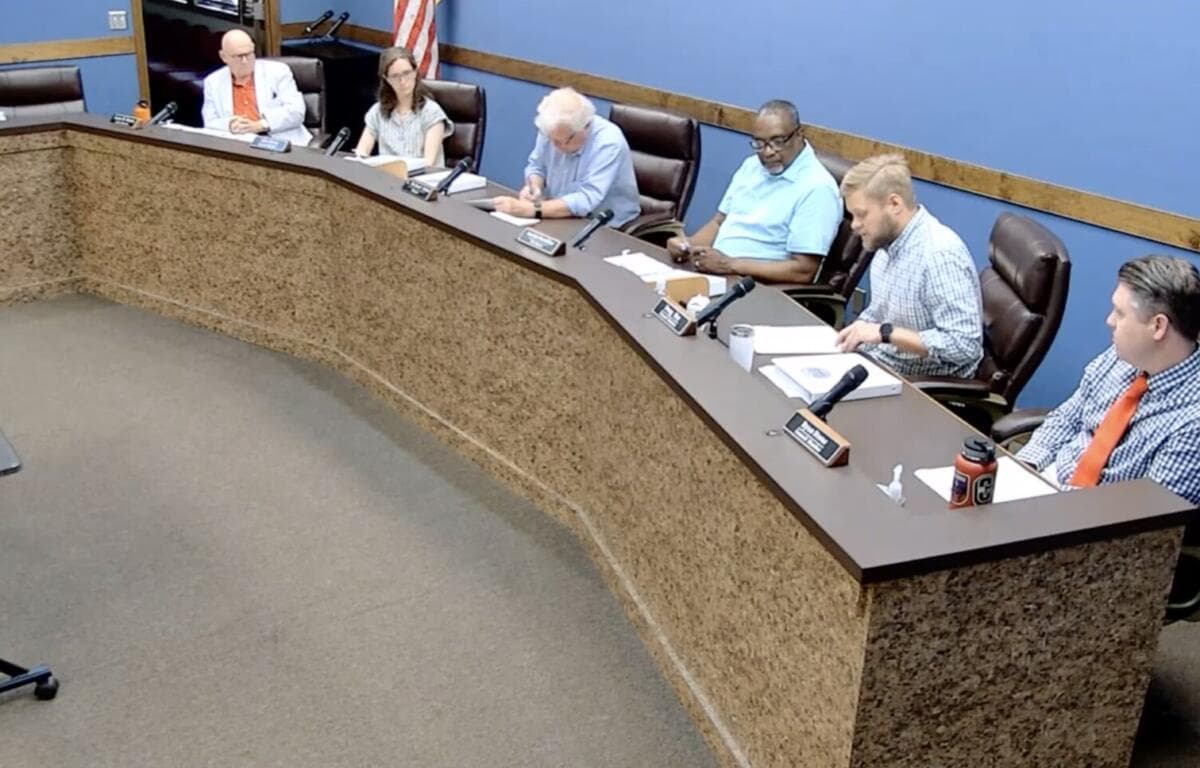
The Buncombe County Board of Commissioners took a first step on Jan. 20, 2026 to allow the county to participate in the North Carolina Commercial Property Assessed Capital Expenditure program, known as NC C-PACE, opening a new financing avenue for commercial property owners to pursue energy efficiency, water conservation, renewable energy and other resiliency projects.
NC C-PACE is voluntary for counties, financed by private lenders and repaid through a special tax assessment attached to properties. The board emphasized that participation does not create financial or legal liability for Buncombe County. A public hearing and vote on a resolution to join NC C-PACE is scheduled for Feb. 2, 2026, with an educational event slated to follow to explain how the program works for local businesses and building owners.
The meeting also featured the annual report from the Economic Development Coalition and a regional growth and transportation presentation from the French Broad River Metropolitan Planning Organization. EDC materials documented 14 economic expansion announcements between 2020 and 2025 that resulted in 1,627 new jobs, an average wage of $61,520 and more than $1 billion in new investment. Venture Asheville’s five-year impact was cited as well: the organization served 125 startups from 2020–2025, producing 166 jobs and attracting over $45 million in venture investment.
MPO presenters highlighted population and commuting trends across the region, pointing to notable growth in unincorporated Buncombe County and downstream transportation implications. Rising commuter flows and shifting residential patterns were framed as central planning challenges for road capacity, transit service and long-term resilience as the county’s economy expands.
For Buncombe County businesses and commercial landlords, NC C-PACE could reduce upfront barriers to retrofits and renewable projects by spreading the cost through property tax assessments while leveraging private capital. That structure can be particularly attractive to owners of older commercial stock seeking to lower operating costs, meet tenant demand for greener buildings and enhance storm- or climate-related resilience without new county debt.
The board meeting was recorded and is available via the county’s Facebook page, and meeting materials have been posted with the county’s meeting information at buncombenc.gov/CivicAlerts.aspx. Residents, building owners and local lenders interested in the Feb. 2 vote or the educational event should review those materials to understand program details and timelines.
What happens next will shape how readily private capital flows into energy and resilience upgrades across Buncombe County. The Feb. 2 vote will determine whether NC C-PACE becomes a tool for local businesses to invest in the mountain economy’s next chapter.
This article was produced by Prism’s automated news system from verified source data, official records, and press releases, then run through automated quality and moderation checks before publishing. The system is built and supervised by the people who set the standards it runs under. Read our full AI policy.
Did this article answer your question?