Buncombe County Considers I-40 Express Lanes Between Asheville and Clyde
County officials reviewed a proposal to add express lanes on I-40 between Asheville and Clyde, a plan that could affect daily commutes, freight reliability, and neighborhood right-of-way.

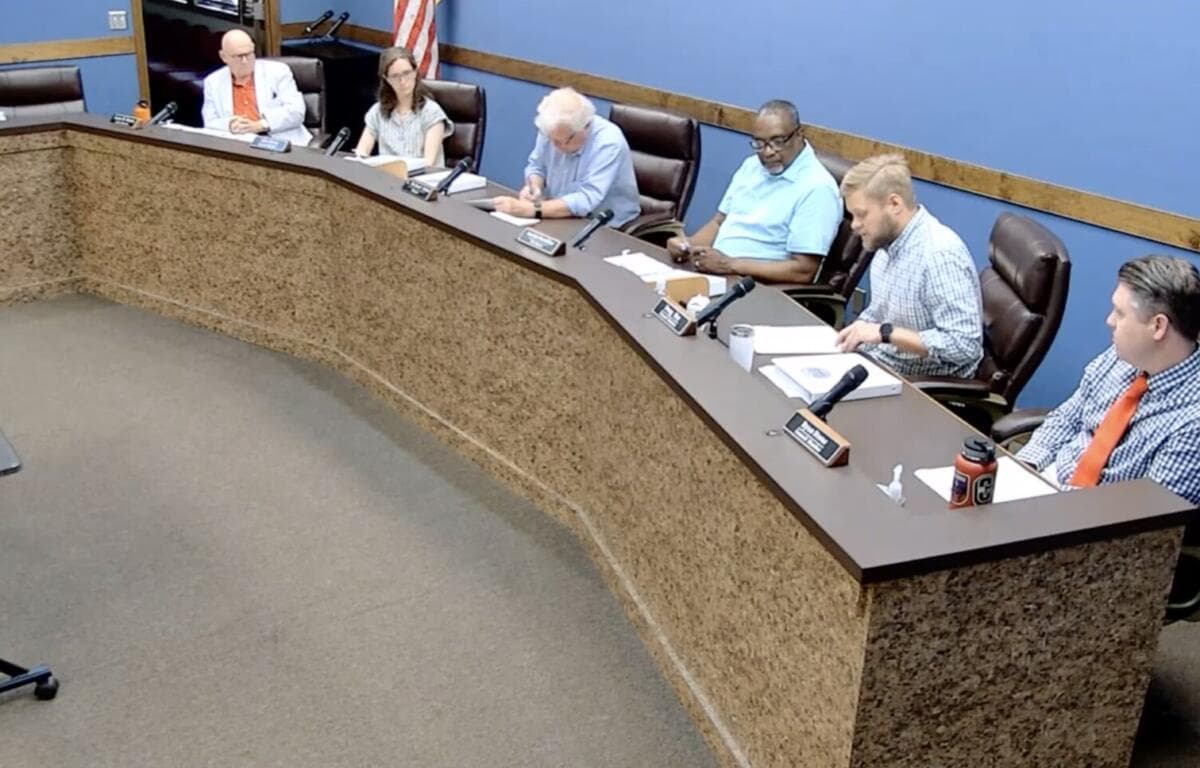
Local officials and business groups examined a proposal on January 27 to add express lanes on Interstate 40 between the I-26 interchange in Asheville and Exit 27 (Clyde). Proponents framed the idea as a tool to ease chronic congestion on the corridor, improve freight reliability for regional shippers, and prepare capacity for projected growth in western North Carolina.
The presentation to business stakeholders laid out the case for express lanes as a demand-management and capacity strategy. Backers argued that dedicated lanes could smooth peak-period travel, reduce variability in travel times for trucks, and support the movement of goods to and from the Asheville region. Those arguments were offered in the context of ongoing investment in the regional network, including work on the I-26 corridor that planners say will shift traffic patterns once completed.
Concerns surfaced alongside support. Critics raised questions about project cost and how it would be funded, the extent of right-of-way acquisitions that could affect private property and neighborhood edges, and the potential environmental impacts of widening along the I-40 corridor. Neighborhood advocates and environmental groups warned that new lanes could increase noise, alter local access, and affect sensitive slopes and waterways that characterize sections between Asheville and Clyde. Business representatives stressed freight benefits but acknowledged the need for careful mitigation of community impacts.
Planning officials indicated that the express-lanes idea is at an early stage and would advance through state-level planning and environmental review before any construction decisions. Next steps identified include broader public outreach to gather community input and formal transportation planning processes at the state level. Those steps will determine whether the concept moves into detailed design, how costs and right-of-way needs are quantified, and what environmental safeguards would be required.
For commuters, freight operators, and residents along the I-40 corridor, the proposal signals a potential shift in how rush-hour traffic and truck movements are managed. If implemented, express lanes could change travel times for some drivers while prompting property and access changes for others. For local government, the idea raises questions about balancing regional mobility goals with neighborhood preservation and environmental protection.
The proposal will reappear in public forums as planners schedule outreach and state agencies evaluate the project's feasibility. Residents and businesses should monitor announcements about upcoming meetings and comment opportunities, since public input and state-level decisions will shape whether express lanes become part of Buncombe County’s transportation future.
This article was produced by Prism’s automated news system from verified source data, official records, and press releases, then run through automated quality and moderation checks before publishing. The system is built and supervised by the people who set the standards it runs under. Read our full AI policy.
Did this article answer your question?