Buncombe County issues wildlife exposure alert for Candler visitors
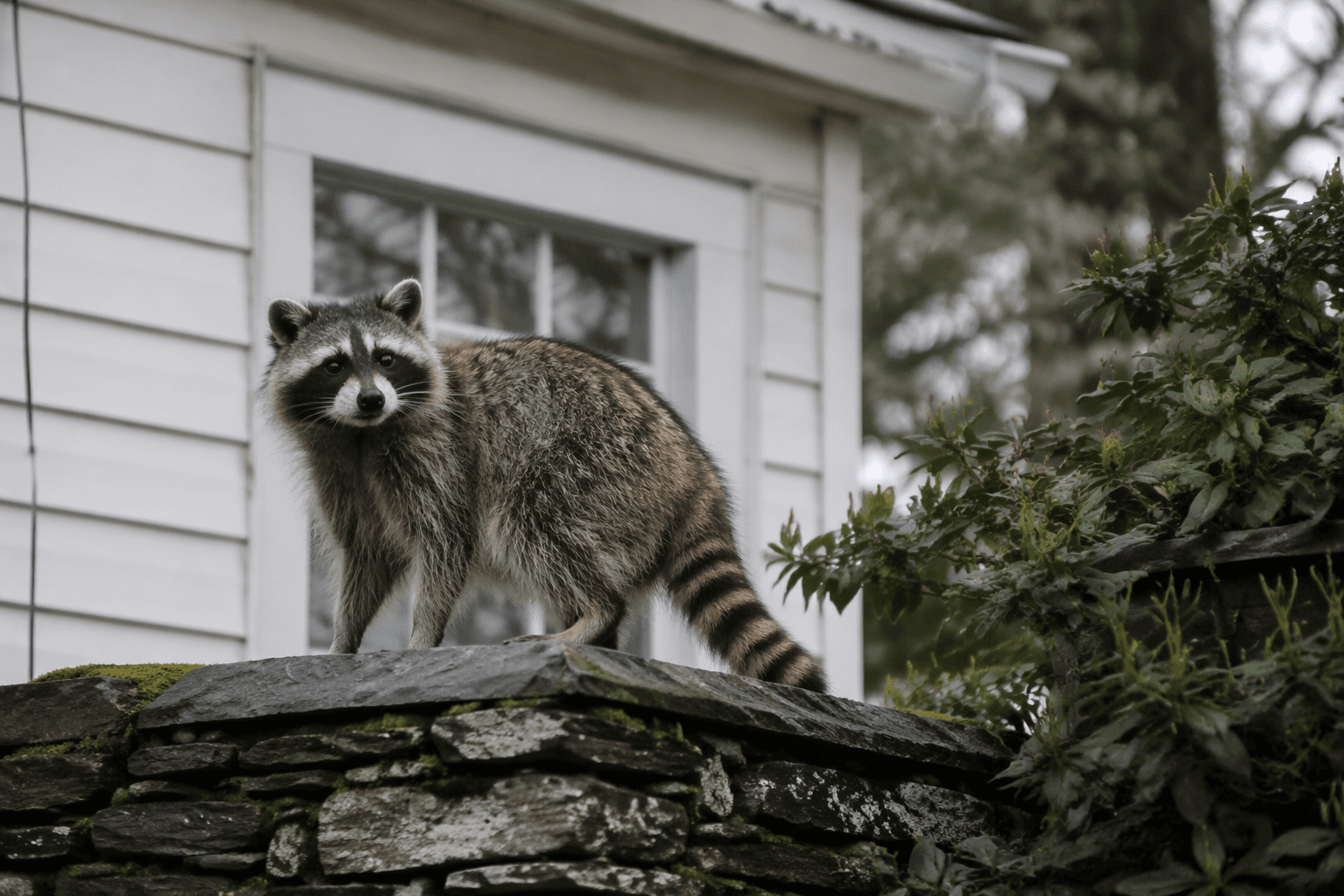
Buncombe County is warning anyone who visited a Candler-area residence about a possible wildlife exposure. Officials say the risk involves rabies, with raccoons and bats the most common carriers in Western North Carolina.

Buncombe County has issued a wildlife exposure notification for anyone who visited a Candler-area residence and may have had contact with an animal there. The county posted the warning as a News Flash titled “Wildlife Exposure Notification for Visitors to Candler Area Residence.”
County public-health materials say the concern is rabies, a preventable disease caused by a virus that is usually found among wild animals. In Western North Carolina, Buncombe County says raccoons and bats are the most common rabies carriers, which is why even a brief animal contact can trigger a public-health response.
The county’s Animal Bite/Incident Report Form says animal bites must be reported as required by North Carolina law. That reporting page also points people to rabies risk-assessment and post-exposure treatment guidance from the North Carolina Department of Health and Human Services, where evaluation steps are laid out for people who may have been exposed.
Anyone who visited the property and was bitten, scratched or otherwise worried about possible wildlife contact should act quickly. Buncombe County Communicable Disease can be reached at 828-250-5109, and the county’s public-health contact number listed on its website is 828-250-5000. Health officials use that kind of prompt call to decide whether the exposure needs observation, testing or preventive treatment before symptoms develop.
The alert also underscores the role Buncombe County Public Health plays in targeted incidents like this one. Buncombe County Environmental Health says it promotes and protects public health and the environment through mandated inspections and enforcement of local and state public-health laws, while communicable disease staff handle exposure follow-up and reporting when an incident involves animals or rabies risk.
For Candler residents and anyone who spent time at the residence, the immediate question is not whether the warning is broad. It is whether there was any animal exposure at that specific property that needs rabies evaluation now.
This article was produced by Prism’s automated news system from verified source data, official records, and press releases, then run through automated quality and moderation checks before publishing. The system is built and supervised by the people who set the standards it runs under. Read our full AI policy.
Did this article answer your question?