Buncombe County Launches Paths Forward Pedestrian Plan for Unincorporated Areas
Buncombe County has announced "Paths Forward," its first comprehensive Pedestrian Plan for unincorporated areas, designed to connect neighborhoods to schools, jobs and community services. Residents can learn how the plan is funded, how it will be governed and how to weigh in at a Jan. 29 drop-in meeting or via online surveys and focus groups.
1. Paths Forward announcement and purpose
Buncombe County posted the Paths Forward announcement on Jan. 5, 2026, launching a formal initiative to plan sidewalks, crosswalks and pedestrian connections across unincorporated parts of the county. The stated purpose is to create a shared vision for pedestrian infrastructure that improves access to daily destinations and strengthens neighborhood connectivity. This is the county’s first dedicated pedestrian plan for areas outside municipal boundaries, signaling a policy shift toward active-transportation planning at the county level.
2. What the plan will cover: sidewalks, crosswalks and connections
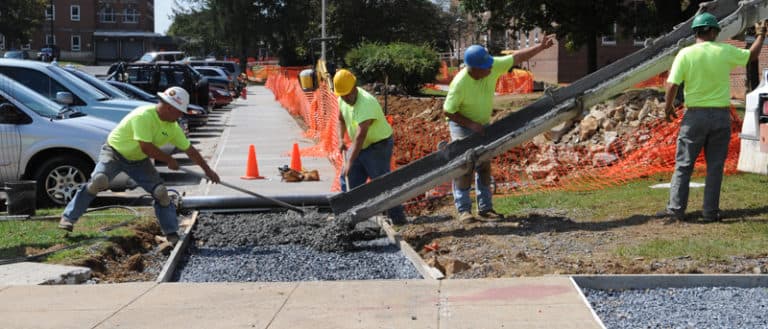
The plan centers on a practical set of pedestrian elements, sidewalks, crosswalks and other connections, intended to link homes to schools, jobs and community services. That scope includes identifying gaps in existing facilities and proposing new links where needed to improve safety and mobility. The emphasis on connections reflects an intent to integrate pedestrian infrastructure with land use patterns and service locations, not just add isolated segments of sidewalk.
3. Focus on unincorporated areas
Paths Forward specifically targets unincorporated Buncombe County rather than areas governed by city or town jurisdictions. That distinction matters because county-level plans determine priorities and investments for residents who depend on county services, and it clarifies which governing body will be responsible for implementation. Focusing on unincorporated areas fills a longstanding planning gap and can change where future capital and maintenance resources are deployed.
4. Federal funding through NCDOT and fiscal implications
The announcement makes clear the plan is supported with federal funding channeled through the North Carolina Department of Transportation (NCDOT). While federal support reduces the immediate local funding burden, it also binds the project to state-administered rules, timelines and reporting requirements. Residents should expect that project selection, eligibility and cost-sharing rules set by NCDOT will shape what ultimately gets built and when.
5. Project timeline and expected duration
Buncombe County reports the planning effort will take roughly 12 months to complete, a timeline that sets expectations for outreach, technical analysis and adoption steps. A one-year schedule implies a fast-paced process with discrete milestones for public input, draft recommendations and final adoption. Tracking those milestones will be important for residents who want to ensure their feedback is considered before priorities are finalized.
6. Role and composition of the steering committee
A steering committee will guide the plan’s development, providing oversight, local context and technical review. Steering committees typically serve as the primary advisory body that vets data, prioritization criteria and outreach strategies; understanding its membership and meeting schedule is essential to transparency. Residents should look for information on who sits on the committee and how decisions are documented to hold the process accountable.
7. Multiple ways for residents to participate
The county is offering several participation options: community meetings, online surveys and focus groups, enabling different levels of involvement. Diverse engagement methods increase the plan’s legitimacy and accessibility by meeting residents where they are, online, in group settings or in targeted discussions. The breadth of options suggests the county expects varied input from commuters, parents, seniors and those with mobility constraints.

8. Upcoming drop-in meeting details
A drop-in style meeting is scheduled for Thursday, Jan. 29, 2026, from 4:30–7 p.m. at the Enka‑Candler Public Library, 1404 Sand Hill Road, Candler. The drop-in format allows residents to attend at a convenient time within the window, review materials and speak directly with county staff and consultants. Marking this date is a concrete next step for residents who want to provide in-person input early in the process.
9. Engagement page, contact information and how to follow up
The county’s Pedestrian Plan engagement page hosts contact information and the links for participation tools, including surveys and sign-ups for focus groups. That centralized page will also be the primary location for updates, meeting materials and opportunities to submit comments. Bookmarking the engagement page and using the provided contact channels will be the most direct way to track developments and ask questions about priorities or technical details.
10. Local impacts on schools, jobs and community services
Improved pedestrian infrastructure can change everyday access to schools, employment centers and service hubs by shortening travel times and increasing safety for walking trips. For families and workers who rely on walking as part of their commute, these changes can expand options for education and employment and reduce transportation costs. The plan’s success will be measured in practical benefits such as safer school routes, better transit connections and more reliable access to grocery stores and health services.
11. Policy implications and accountability considerations
Paths Forward raises policy questions about how the county will prioritize projects, allocate maintenance responsibilities and sequence construction within funding constraints. Transparent criteria for project selection, publicly available meeting minutes and clear performance metrics are necessary to ensure that the plan translates into equitable outcomes. Residents should track whether the steering committee and county staff publish decision criteria and how they respond to public input.
12. How to make your input count and next steps
To influence the plan, prepare to identify specific locations, barriers and day-to-day pedestrian needs when you provide feedback, maps, photos and descriptions are effective. Use the engagement page to access the online survey or to sign up for focus groups, and attend the Jan. 29 drop-in meeting to speak directly with planners. Follow the engagement page for draft recommendations and final adoption steps so you can hold decision-makers accountable as the project moves from planning to implementation.
This article was produced by Prism’s automated news system from verified source data, official records, and press releases, then run through automated quality and moderation checks before publishing. The system is built and supervised by the people who set the standards it runs under. Read our full AI policy.
Did this article answer your question?