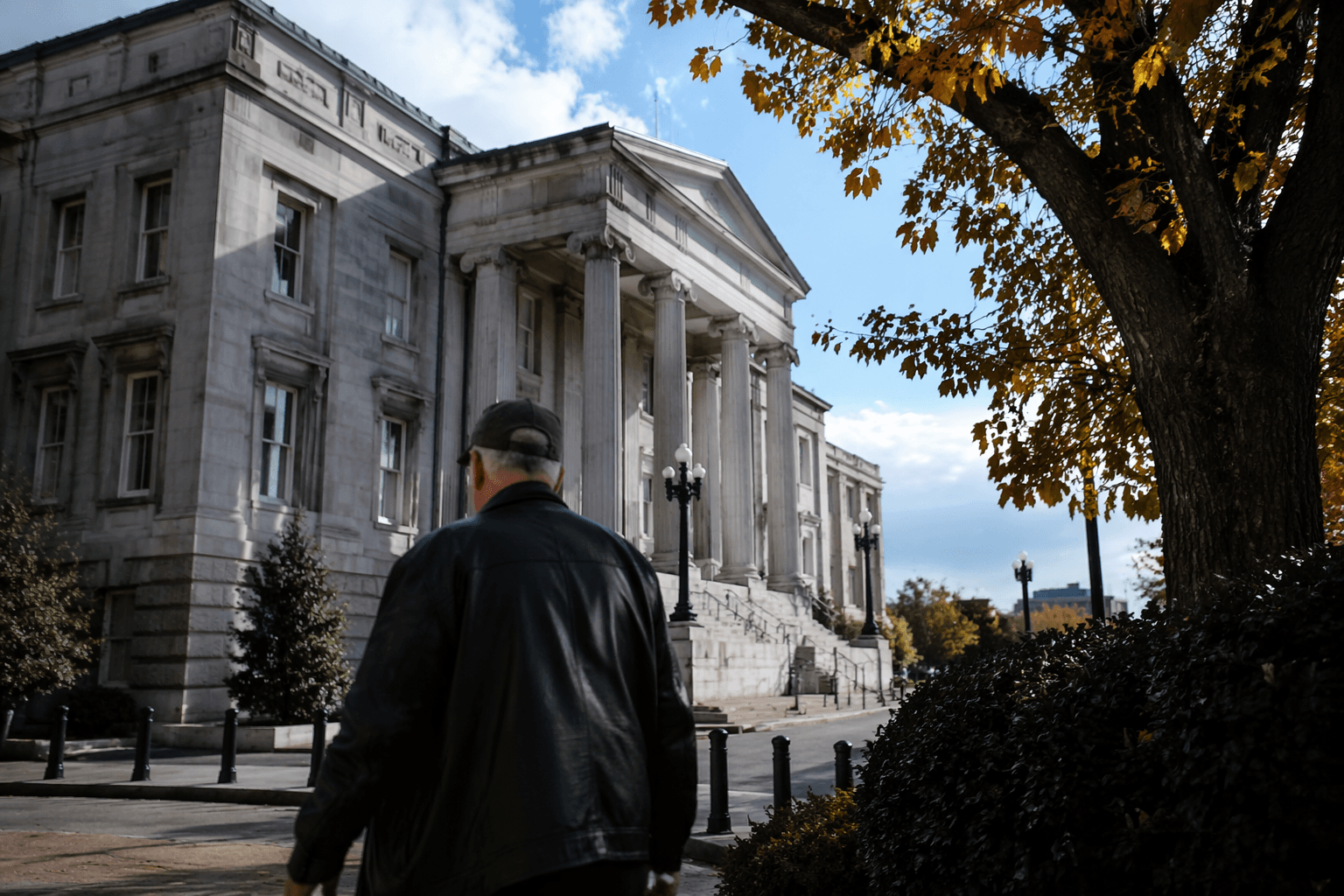
Buncombe County Policy Shifts Leave Homeless Facing Longer Jail Sentences
Post-election policy shifts and state preemption in Buncombe County are producing longer jail sentences for unhoused people charged with begging and public intoxication.

Recent policy shifts tied to post-election changes and state preemption in Buncombe County are resulting in longer sentences for unhoused people facing nuisance charges, including begging and public intoxication, deepening concerns among critics who point to Asheville's history of aggressive enforcement against people experiencing homelessness.
The changes have drawn renewed attention to how local and state policy intersect on issues of poverty and criminalization. Critics note that Asheville has long leaned on enforcement-heavy approaches to visible poverty, and that the latest shifts compound those tendencies by removing local flexibility that once allowed for shorter or diverted sentences on low-level charges.
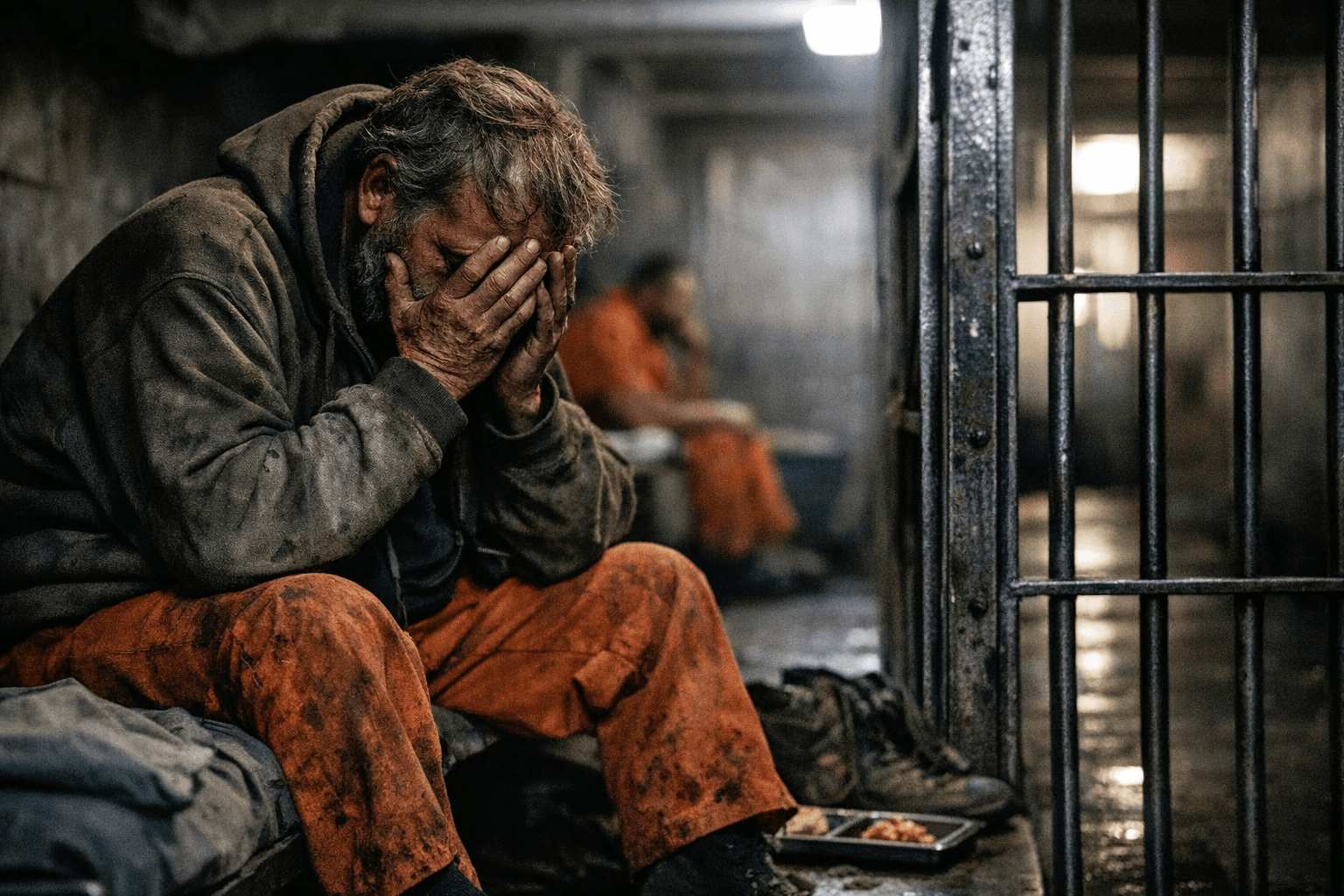
Research from the Vera Institute of Justice underscores the consequences of that approach. The institute's analysis identifies charges such as sleeping in public spaces, stealing food or diapers, and consuming alcohol or certain substances in public as prime examples of laws that criminalize survival rather than address public safety. The institute notes that "the criminalization of acts of survival is even more harmful" given the frequency with which trauma, victimization, and abuse drive women into homelessness in the first place. Its research also finds that poverty and mental illness are mutually reinforcing, and that people experiencing homelessness face elevated risks of overdose and infection, risks that frequent police contact and incarceration make worse.
The data on short jail stays, known in research literature as "quick dips," offer little evidence that tougher enforcement deters future violations. Among people in North Carolina who underwent quick dips in 2019, 82 percent had a subsequent alleged violation within a year. The Vera Institute described that outcome plainly: "This is hardly success from a deterrence perspective." Probation violations, moreover, drive jail populations upward not through frequent short stays but through long ones, a dynamic the institute summarizes as violations of community supervision increasing jail populations mainly through extended stays. Pretrial, probation, and parole violations accounted for 9.5 percent of women's new jail admissions in the data reviewed, though that figure comes from broader Vera research and has not been independently confirmed for Buncombe County specifically.
The Vera Institute recommends that jurisdictions like Buncombe County consider a formal declination policy, directing prosecutors to decline charges that are low-level, poverty-related, and pose no public safety risk. Such a policy, the institute argues, would reduce time in jail following booking by enabling quick release on dismissal, and could reduce arrests upstream if officers know charges will not be filed. Effective implementation would require directives from the district attorney's office, clear communication to law enforcement and court partners, and community awareness and buy-in, including from stakeholders in the downtown Asheville business district, which the Vera analysis specifically identifies as a constituency requiring engagement. Suffolk County, Massachusetts is cited as a jurisdiction that has adopted a comparable declination approach for similar charges, though the full scope and outcomes of that policy were not available in the materials reviewed.
Whether Buncombe County's district attorney's office will pursue any such changes remains an open question. No statements from county commissioners, the Asheville mayor's office, or local law enforcement have been made public on the matter, and the specific ordinance language or state preemption statute driving the sentencing increases has not been formally identified.
This article was produced by Prism’s automated news system from verified source data, official records, and press releases, then run through automated quality and moderation checks before publishing. The system is built and supervised by the people who set the standards it runs under. Read our full AI policy.
Did this article answer your question?