Buncombe County Prosecutors Try 38 Jury Trials in 2025
The Buncombe County District Attorney’s Office prosecuted 38 superior-court jury trials in 2025, marking the county’s busiest year for such trials since pandemic-era disruptions. The surge, including multiple first-degree murder trials and a range of violent felony prosecutions, signals a restoration of court capacity with direct implications for victims, defendants and civic institutions locally.
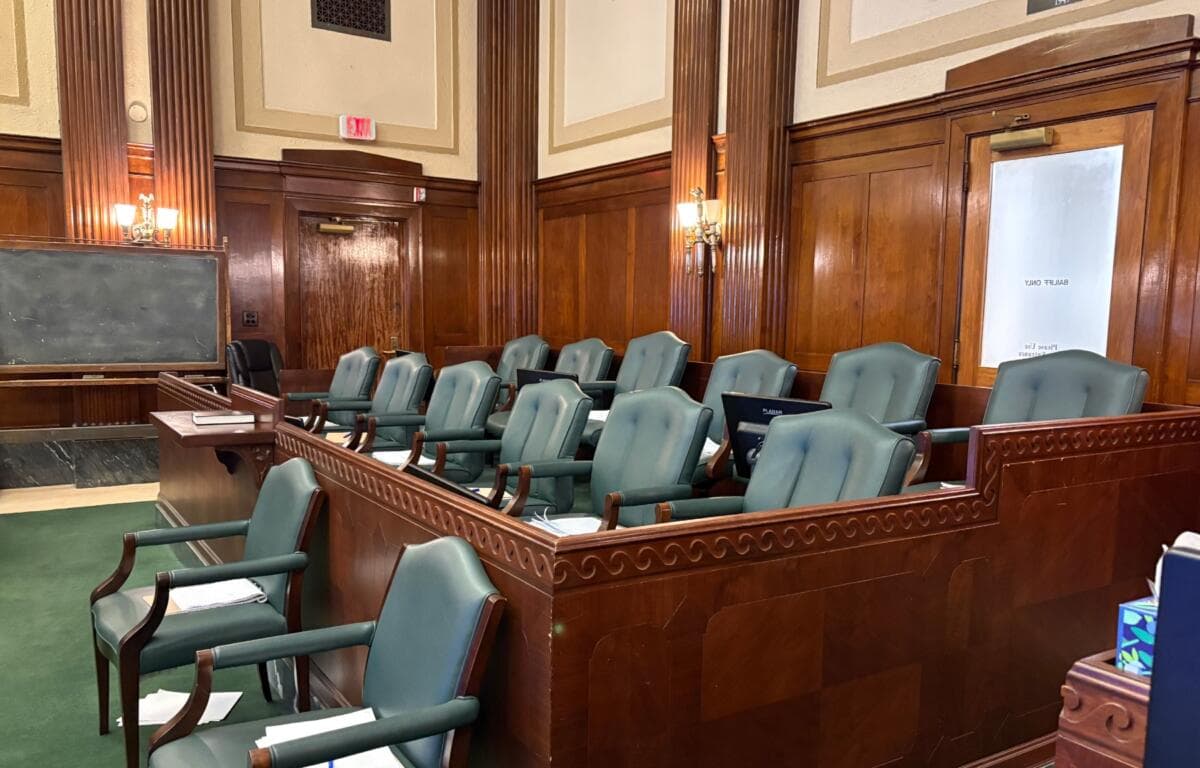
The Buncombe County District Attorney’s Office closed out 2025 having prosecuted 38 superior-court jury trials, the highest level of trial activity the county has seen since disruptions tied to the pandemic and technological and weather interruptions. The caseload included several first-degree murder trials held in January, June, July and September, alongside prosecutions for drug trafficking, sexual offenses, assaults on officers, robbery, elder abuse, arson, gun-related crimes and other violent offenses.
Assistant District Attorney Kyle Sherard and a team of colleagues led many of the trials, the office reported, and credited cooperation from law enforcement, victim advocates, court staff and members of the public for enabling the increase in trial activity. Prosecutors framed the work as part of a sustained focus on victims’ rights and on moving cases through the system after earlier delays tied to the eCourts rollout, pandemic impacts and storm-related court interruptions.
For local residents the return to fuller trial capacity carries immediate consequences. Faster movement of cases through superior court can reduce prolonged uncertainty for victims and accused individuals and may sharpen community confidence in the criminal justice process. It also affects courthouse logistics: more trials require jurors to serve, court calendars to be tightly managed and supporting personnel, from prosecutors to clerks and advocates, to be resourced appropriately.
The spike in jury trials also raises institutional policy questions going into 2026. Restoring capacity after a period of backlogs highlights the importance of reliable case-management systems and disaster resilience for court operations. Sustained prosecution of serious felonies underscores ongoing demands on public safety agencies and victim services; maintaining pace will likely require continued coordination among the district attorney’s office, law enforcement, public defenders and court administrators.
The pattern of trials in 2025 reflects both operational recovery and prosecutorial prioritization of high-harm offenses. How the county balances trial volume with fairness and timely resolution will be a governance issue for residents and elected officials. Civic engagement, particularly participation in jury service and support for victim advocacy programs, will remain central to ensuring the justice system functions effectively.
As Buncombe County moves into 2026, observers and policymakers will be watching whether the restored trial capacity is sustained, whether resource gaps emerge, and how the courts adapt to prevent future delays while protecting defendants’ rights and victims’ access to justice.
Know something we missed? Have a correction or additional information?
Submit a Tip

