Buncombe County Reaches Extreme Drought as NC Crisis Worsens Dramatically
Buncombe enters extreme D3 drought as Asheville sits nearly 5 inches below normal since December, with a burn ban in effect and water restrictions potentially weeks away.
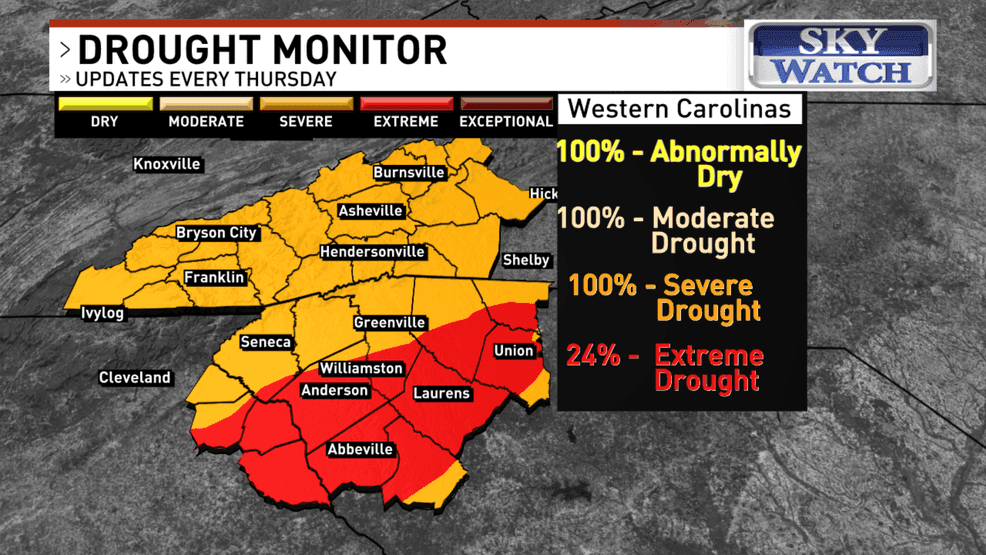
The open burning ban shutting down all backyard fires and campfires across North Carolina has no end date, and Buncombe County is now classified as an extreme drought zone, meaning water restrictions could arrive before spring is over. With 4.81 inches less rain than normal since December 1, 2025, and USGS stream gauges across the mountains running well below normal, Buncombe crossed into D3 designation as the state's drought crisis entered a new phase.
The jump from 15 counties in extreme drought on April 2 to 23 just two weeks later shows how rapidly conditions have deteriorated. All 100 North Carolina counties are now in some level of drought. Klaus Albertin, chair of the NC Drought Management Advisory Council, urged residents to check their municipal water provider's website for restrictions that may already be in place. "The public should follow any local water supply restrictions," Albertin said. "Municipal websites are usually the best place to look for information on restrictions that are in place."
For Asheville's water system, D3 designation triggers formal obligations: city water systems must now follow their Water Shortage Response Plans and report weekly water use and conservation data to the NC Division of Water Resources. Asheville has not issued a mandatory water conservation order since 1998, crediting the deep-capacity North Fork Reservoir and its secondary supply at the Mills River treatment plant for maintaining steady service through previous dry spells. But Albertin has cautioned that the cushion has limits: "Stream and reservoir levels are already low, and water demand will increase as we get into spring."
The rainfall record explains the urgency. January 2026 ranked as the 12th driest January in Asheville since records began in 1895, with just 1.96 inches of total precipitation, nearly two inches below normal. At the drought's peak intensity, Asheville ran more than 10.6 inches below its annual average; some mountain locations were down more than 25 inches. The National Weather Service office in Greenville-Spartanburg documented that the city's airport received no measurable rainfall after October 21, 2025, the lowest cumulative total since the late 1800s.
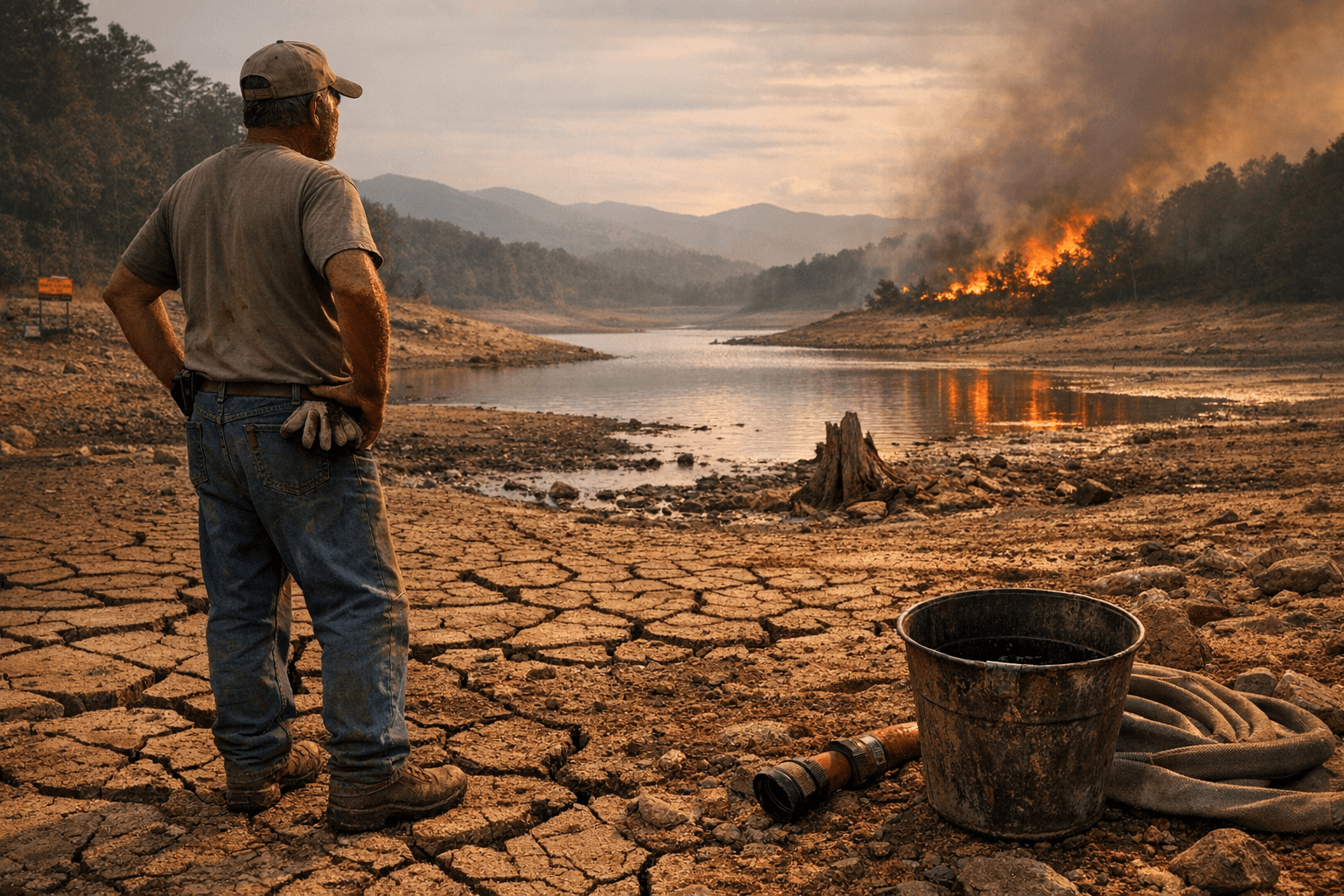
The most severe conditions in North Carolina reached D4, Exceptional Drought, across portions of Cherokee, Clay, Macon, Graham, and Swain counties in the southwestern mountains. Statewide, an estimated 9.4 million residents live in drought-affected areas. Albertin noted in February that "many locations across the state have seen their driest six months on record," with deficits topping 10 inches since August 2025.
Farmers face growing losses if the dry pattern holds through summer. Reduced water availability and quality on grazing lands and croplands typically translates into significant economic damage across the agricultural sector. Meanwhile, the statewide open burning ban, effective since 6 p.m. on March 28, remains in force with no announced end date as dry conditions continue fueling fires across the Blue Ridge.
Recovering from a deficit of this magnitude will not happen quickly. Experts say restoring streamflows and reservoir levels to normal requires sustained above-normal rainfall over weeks or months; a single rainy stretch will not erase what has accumulated since August 2025.
This article was produced by Prism’s automated news system from verified source data, official records, and press releases, then run through automated quality and moderation checks before publishing. The system is built and supervised by the people who set the standards it runs under. Read our full AI policy.
Did this article answer your question?