Buncombe County teacher 3D-prints prosthetic arms for children
A North Windy Ridge STEM class turned a 3D printer into a tool for children who need help grasping, holding and moving through daily life.
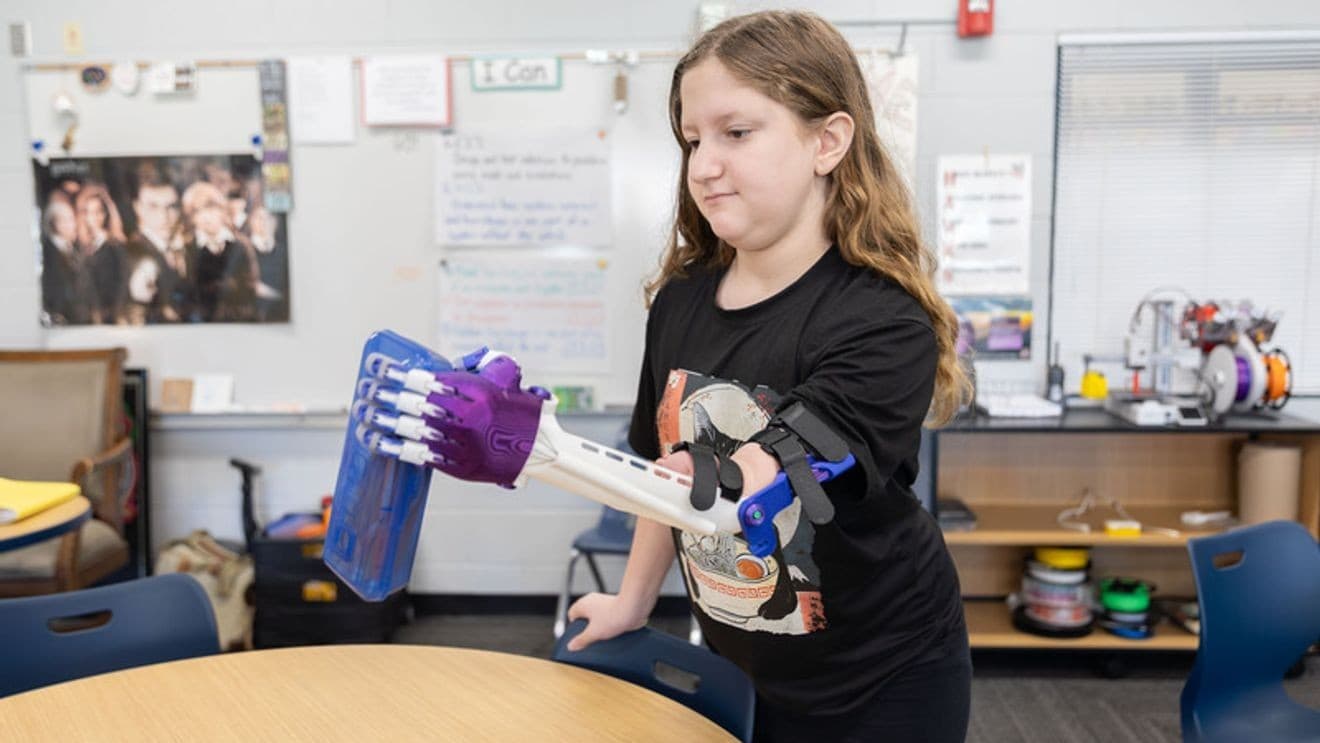
At North Windy Ridge Intermediate School, a STEM classroom in Buncombe County has become a place where a 3D printer is doing work that can change a child’s day. Russell Thompson is designing custom prosthetic arms for children with limb differences, bringing engineering lessons into a problem that can be expensive, difficult to fit and far beyond the reach of many families.
Thompson’s approach was inspired by a video from e-NABLE, a volunteer network that uses 3D printers to make free and low-cost prosthetic upper-limb devices for children and adults in need. The group says it has about 40,000 volunteers in more than 100 countries and has delivered free hands and arms to an estimated 10,000 to 15,000 recipients. It also warns that its volunteers are not medical professionals and strongly recommends families work with medical professionals before and after receiving a device.
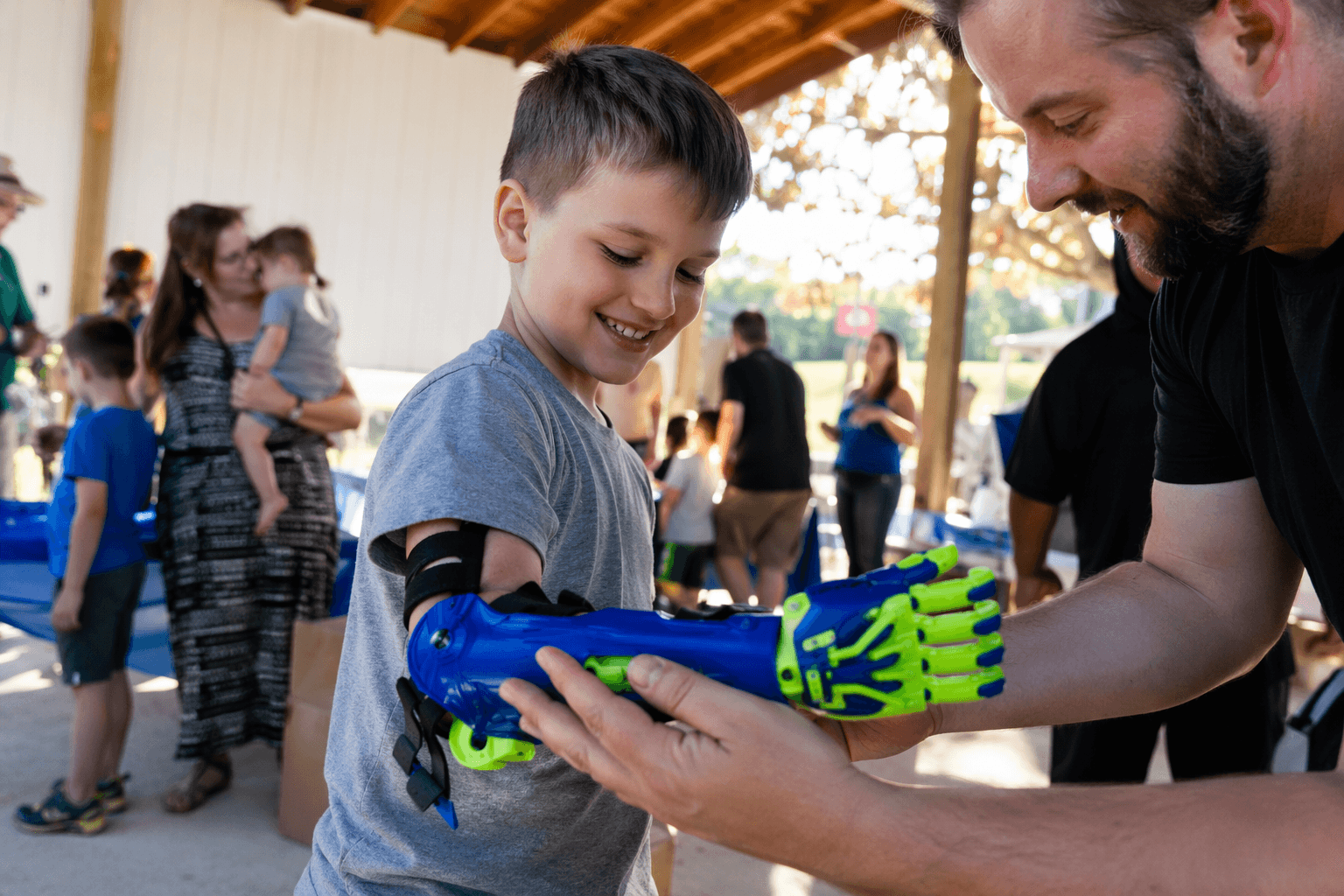
For children born with limb differences, the need is not abstract. The CDC estimates that about 1 in every 1,852 babies in the United States is born with a limb reduction defect. In Buncombe County, Thompson’s project gives that statistic a tangible local answer: a classroom-built device that can help a child grasp, hold and take part more fully in everyday activities.
North Windy Ridge Intermediate School has highlighted the project as part of its broader emphasis on empowerment, empathy and mutual respect. Its news page described the effort under the headline “A Helping Hand: North Windy Ridge Teacher 3D Prints Prosthetic for Student,” underscoring that the work is being treated not just as a science exercise, but as a direct act of service for a student who can use it.
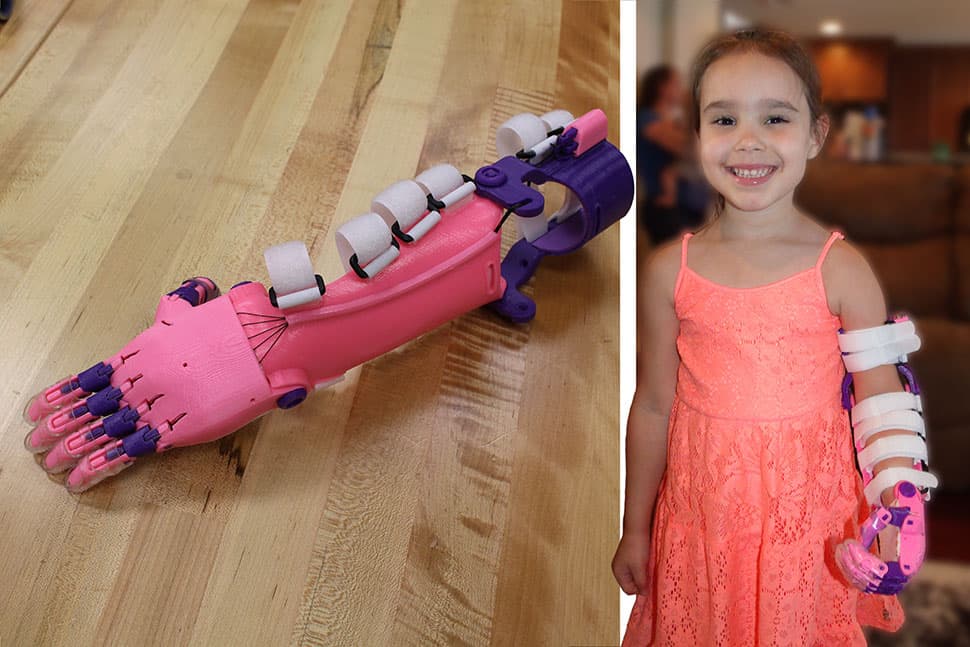
The project also points to the larger promise of school-based STEM work. Instead of stopping at worksheets or mock engineering challenges, students get to see how math, coding and design can be used to solve a real problem for another person. That matters in Buncombe County, where schools and families continue to look for practical supports amid resource constraints and the lingering effects of Hurricane Helene.
The broader research helps explain why the idea has drawn attention. A peer-reviewed study found that 3D-printed transitional prostheses improved manual gross dexterity in children with traumatic or congenital upper-limb differences. Another review found that an open-source 3D-printed prosthetic hand could cost as little as $19 in one model, even if such devices have limits compared with conventional prosthetics.

For Buncombe County Schools, the lasting question is whether North Windy Ridge’s model can be replicated at other campuses, turning a single printer and one teacher’s idea into a wider path to independence for more children.
This article was produced by Prism’s automated news system from verified source data, official records, and press releases, then run through automated quality and moderation checks before publishing. The system is built and supervised by the people who set the standards it runs under. Read our full AI policy.
Did this article answer your question?