Buncombe school board candidates weigh funding, sustainability, future priorities
A $119 million school-funding formula and 15,800 daily bus miles are now central to Buncombe’s board races.
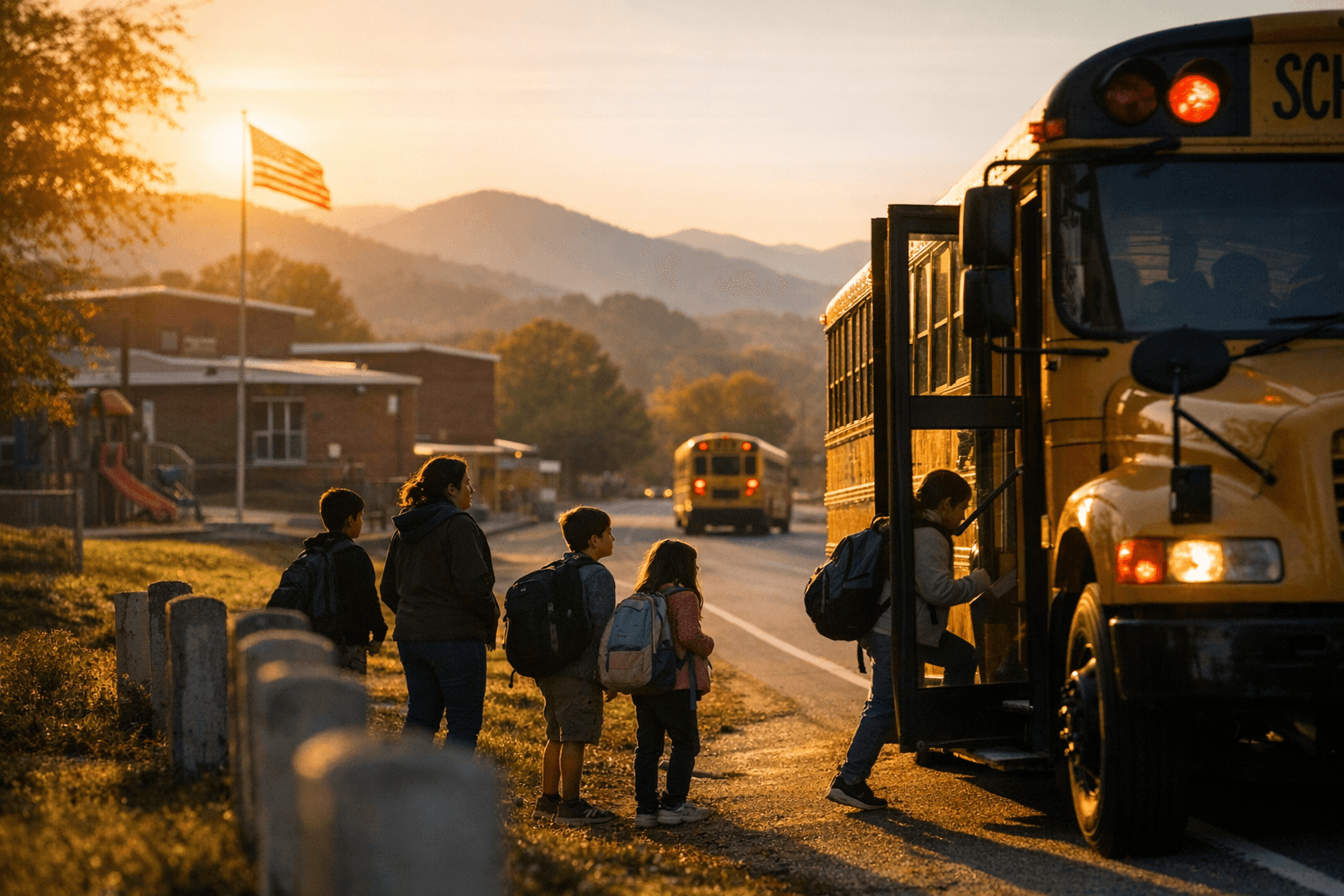
Buncombe County voters are weighing a school board that will control more than classroom rhetoric: a new three-year funding formula tied to county tax revenue, a district bus system that moves nearly 10,000 students a day, and sustainability choices that can affect cafeteria costs and student health. Commissioners approved the plan for Asheville City Schools and Buncombe County Schools after state lawmakers required the two systems to study a possible merger and named Buncombe County the lead on that work.
The races are district-based. Rob Elliot is unopposed in District 3. In District 5, incumbent Judy Lewis faces Alina Moiseyev, and in District 6, incumbent Kim Plemmons faces Taras Shevchenko. The board has seven members elected to four-year terms, with district voters choosing their representative and the county electorate choosing one at-large member. Plemmons is the board’s vice chair and has served since December 2022.
Lewis staked out the clearest position on the county’s new school-financing structure. She said the board should work closely with county commissioners to preserve transparency, stability and predictability, while keeping funding in step with inflation, enrollment shifts and staffing needs. That is no small promise: the agreement begins at roughly $119 million and is built around a formula that sends nearly 40% of the county’s prior 12 months of property and sales tax revenue to the two school systems, with future changes tied to enrollment.
Lewis also backed composting and cafeteria food-waste reduction as both teaching tools and cost-saving measures. The issue has a direct household-scale payoff in Buncombe County, where the city-county food-scrap drop-off program has diverted more than 1.5 million pounds of waste from the landfill. County officials estimate residents generate 57,500 tons of food waste a year, and state environmental officials say North Carolina K-12 schools produced 20,500 tons of food waste in 2023.
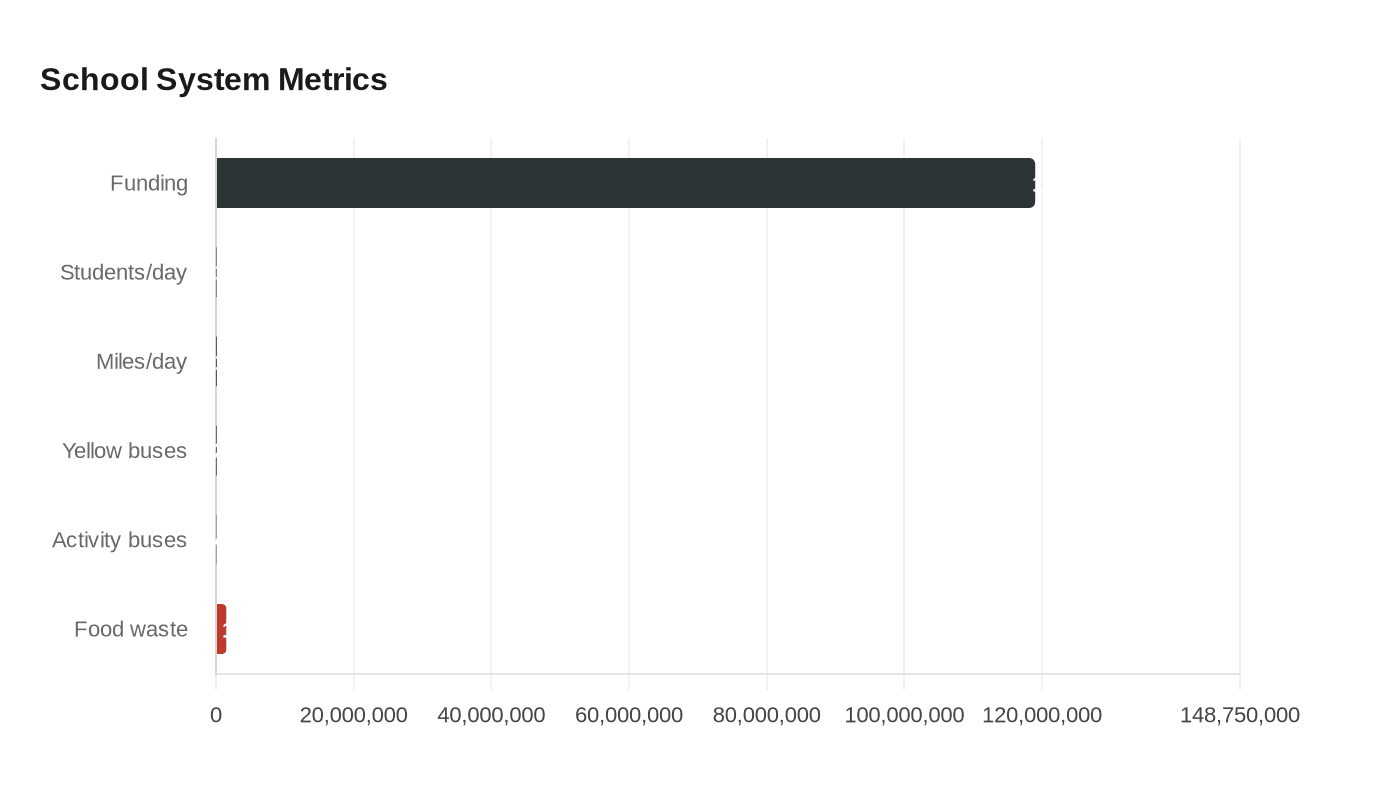
Transportation was another fault line. Lewis said reliable buses are essential for attendance, family stability and equitable access to education. Buncombe County Schools says its transportation department provides daily service to nearly 10,000 students, covering 15,800 miles a day with 208 yellow buses and 45 white activity buses, which makes any board decision on routing, staffing or safety equipment instantly felt by families from one end of the county to the other.
Shevchenko’s pitch in District 6 took a different tone. He said his top priority is transparency between schools and parents, while also emphasizing reading, writing, math and stronger support for teachers. That contrast leaves voters with a practical choice: whether the next board should keep leaning into long-term fiscal predictability, sustainability and transportation logistics, or pivot more forcefully toward parent-school communication and classroom fundamentals as Buncombe County moves through merger study fallout and its new funding arrangement.
This article was produced by Prism’s automated news system from verified source data, official records, and press releases, then run through automated quality and moderation checks before publishing. The system is built and supervised by the people who set the standards it runs under. Read our full AI policy.
Did this article answer your question?