Buncombe Sheriff Warns of Phone Scams Impersonating Deputies, Demanding Payment
Scammers posing as Buncombe deputies have already cost one Asheville woman $5,000, and investigators say a public court database is making the fraud harder to detect.
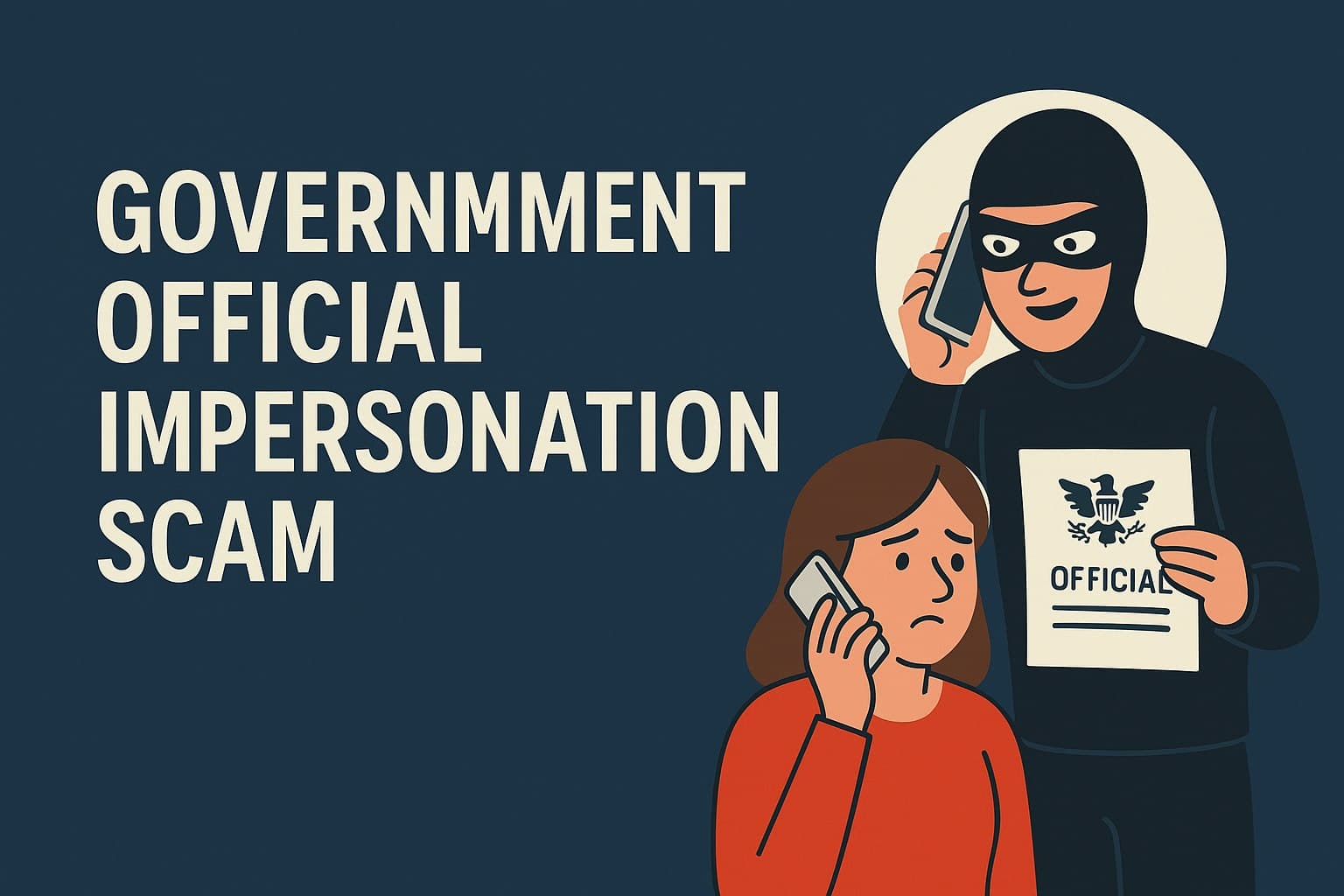
An Asheville woman lost $5,000 on April 8 after a caller told her two warrants for her arrest were active and could be "dismissed and suspended" for a fee. She transferred the money via Apple Pay before realizing she had been scammed. Too shaken to share her name, she chose to speak publicly anyway, with one purpose: warning others before the same call reaches them.
The Buncombe County Sheriff's Office has confirmed multiple waves of these calls targeting county residents. The script follows a consistent pattern: a caller identifies himself as a deputy or sergeant with BCSO, informs the victim they missed jury duty or failed to appear in court, and demands immediate payment to avoid arrest. Scammers accept prepaid debit cards, Apple Pay, cryptocurrency, wire transfers, and gift cards, each chosen because the money is nearly impossible to recover once sent.
An earlier wave specifically impersonated BCSO Sgt. Bryan Freeborn, with callers using the spoofed number (828) 220-9705. A second round used (828) 630-8301. Because caller ID can be faked, recognizing a local area code is not a reliable safety check.
What makes the current scam more dangerous is a technical exploit investigators only recently began flagging publicly. BCSO Senior Attorney Jorge Redmond and Captain Dustan Auldredge confirmed that scammers are mining North Carolina's publicly accessible E-Courts database, which went live in Buncombe County on July 22, 2024, as part of a statewide rollout that also covered Cherokee, Clay, Graham, Haywood, Henderson, Jackson, Macon, Polk, Swain, and Transylvania counties. Anyone with a defendant's name or case number can pull real hearing dates, case details, and court records from the portal, giving scammers enough authentic detail to sound credible before demanding payment.
"It's extremely easy," Redmond said. "There's a portal, there's a website. If you have information like a defendant's name or case number, you're able to access that sort of stuff." Auldredge described the tactic plainly: "They're trying to add some legitimacy by giving a real law enforcement officer's name in this area and then demanding money to take care of a warrant or citation."

Criminal defense attorney Thomas Amburgey, who practices in Asheville, distilled the correct response into plain terms: "Nothing is ever going to happen at light speed like that. If you get a call and think it sounds real, hang up, call the agency back, and you'll be okay."
BCSO is unambiguous on what no legitimate deputy will ever do: demand payment by phone, accept prepaid cards, gift cards, cryptocurrency, Apple Pay, or wire transfers, or impose a monetary fine for missing jury duty. Anyone who receives a suspicious call claiming to be from the Sheriff's Office should hang up immediately and dial the non-emergency verification line directly at 828-250-6670.
The local scams mirror a national explosion in this type of fraud. The FBI's 2025 Internet Crime Report recorded approximately $797 million in government impersonation losses nationally, nearly double the $405 million lost the prior year. Complaints filed with the FBI's Internet Crime Complaint Center jumped from roughly 17,300 in 2024 to nearly 32,500 in 2025. AI-powered voice tools were referenced 260 times in those complaints, reflecting how quickly scammers are adopting new technology. Adults over 60 account for 20 percent of all cybercrime complaints filed nationally.
Captain Elliot Summey first warned Buncombe residents about the increase during a post-Hurricane Helene recovery briefing, noting that scammers deliberately time these calls to exploit community stress. For the Asheville woman who transferred $5,000 in April, that warning came too late.
This article was produced by Prism’s automated news system from verified source data, official records, and press releases, then run through automated quality and moderation checks before publishing. The system is built and supervised by the people who set the standards it runs under. Read our full AI policy.
Did this article answer your question?