Cold, Windy Conditions Disrupt Morning Commute in Buncombe County
A cold front on Tuesday morning, Dec. 30, brought temperatures 10-15 degrees below normal, strong northwest wind gusts and light snow flurries to the Asheville area, prompting warnings and travel advisories. While state transportation crews reported minimal road impacts near 7 a.m. and Duke Energy logged only a limited number of outages, the episode highlights vulnerabilities in winter weather response that matter to commuters, elderly residents and critical services.

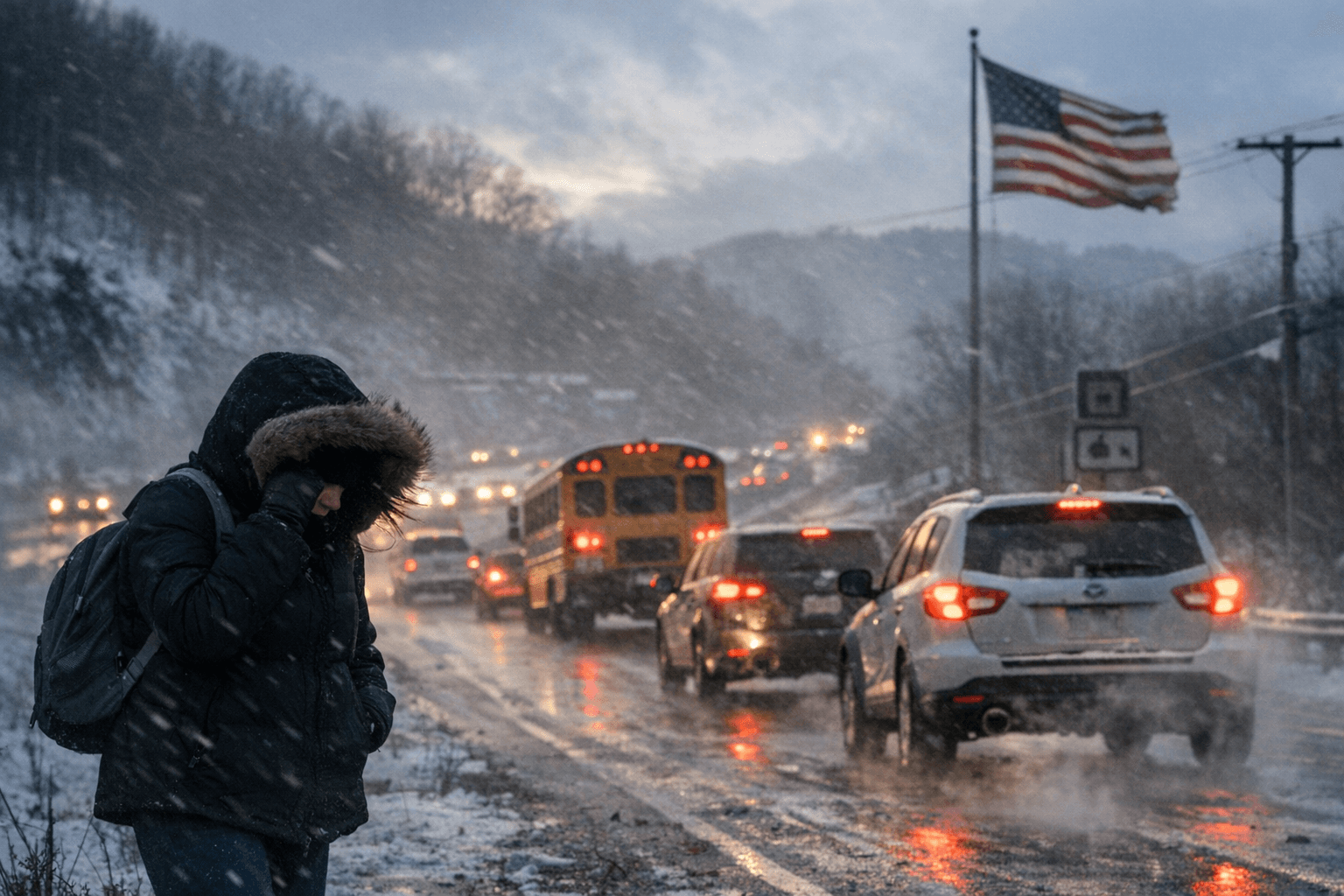
Buncombe County residents faced a brisk and blustery start to the day on Dec. 30 as a cold air mass pushed through the region. The National Weather Service for Greenville-Spartanburg warned that temperatures were running 10-15 degrees below seasonal averages and that northwest wind gusts could reach up to 40 mph. Light snow flurries accompanied the cold and wind, prompting authorities to urge drivers to allow extra travel time for Tuesday morning commutes.
State transportation crews reported no major road problems near 7 a.m., suggesting that pavements remained largely passable during the worst of the morning commute. Duke Energy recorded a limited number of power outages in Buncombe County, indicating that utility infrastructure largely held up under the strong winds and low temperatures. Forecasts later in the week trended drier and less windy, offering relief after the brief disruption.
The event underscores several practical concerns for county residents. High wind gusts increase the risk of falling branches and scattered debris on roadways, complicate travel for high-profile vehicles and can cause localized power interruptions that disproportionately affect seniors, medical patients on home equipment and small businesses. Even when major arteries remain open, reduced speeds and cautious driving create cascading delays for commuters, school transportation and emergency response units.
Institutional response during the event showed coordination but also points for review. NCDOT’s early assessment of road conditions and Duke Energy’s outage reporting provided timely situational awareness, but the episode highlights the need for sustained investment in communications and infrastructure resilience. Local emergency management and utility providers should evaluate whether current pre-storm messaging and targeted outreach reach vulnerable populations effectively, especially those without reliable internet access.
For residents, the practical takeaway is straightforward: allow extra travel time during winter-weather events, be mindful of wind-related hazards such as falling trees and unsecured objects, and prepare for brief power interruptions by ensuring essential supplies and alternate heating or medical plans. Monitor official channels for updates from county emergency management, NCDOT and Duke Energy when conditions warrant.
As this winter continues, Buncombe County officials and utility operators will face repeated tests of how well systems absorb short-duration but intense weather swings. The Dec. 30 event was limited in scope, but it serves as a reminder that even brief cold snaps can strain transportation and energy services and that preparedness and clear communications remain central to public safety.
This article was produced by Prism’s automated news system from verified source data, official records, and press releases, then run through automated quality and moderation checks before publishing. The system is built and supervised by the people who set the standards it runs under. Read our full AI policy.
Did this article answer your question?