Comics Project Documents Helene Survivors, Highlights Buncombe County Stories
Andrew Aydin launched the Appalachia Comics Project on December 11, 2025, producing an anthology titled Islands in the Sky that pairs survivors of Storm Helene with professional comics creators to record lived experiences in nonfiction comics. The crowdfunded project raised more than $30,000 from community backers, compensates survivor authors, and aims to create an accessible visual record that can inform local recovery, public memory, and civic planning.
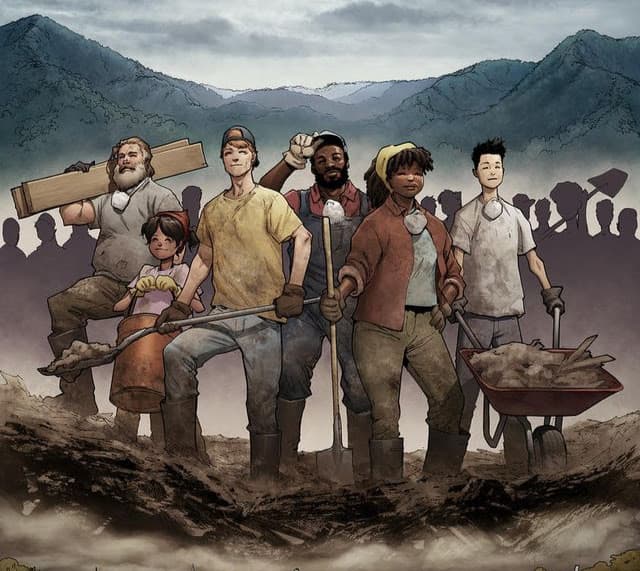
On December 11, 2025 Andrew Aydin, coauthor of the graphic memoir trilogy March, launched the Appalachia Comics Project to document the human effects of Storm Helene across the region. The first anthology, Islands in the Sky, pairs people from storm damaged communities with professional comics creators including Brian Michael Bendis, Matt Fraction, and Gene Luen Yang to produce 8 to 12 page nonfiction stories that center survivor voice and lived experience.
The project was crowdfunded on Kickstarter where community backers raised over $30,000 to produce the anthology. Submissions for pieces were selected from survivor authored entries, and the project model compensates survivors for their stories. Professional artists are contributing by volunteering time or accepting reduced pay to make the publication financially feasible. Organizers intend for the book to serve as an accessible, visual record of Helene's effects and local resilience, and they plan to continue the series if the initial anthology succeeds.
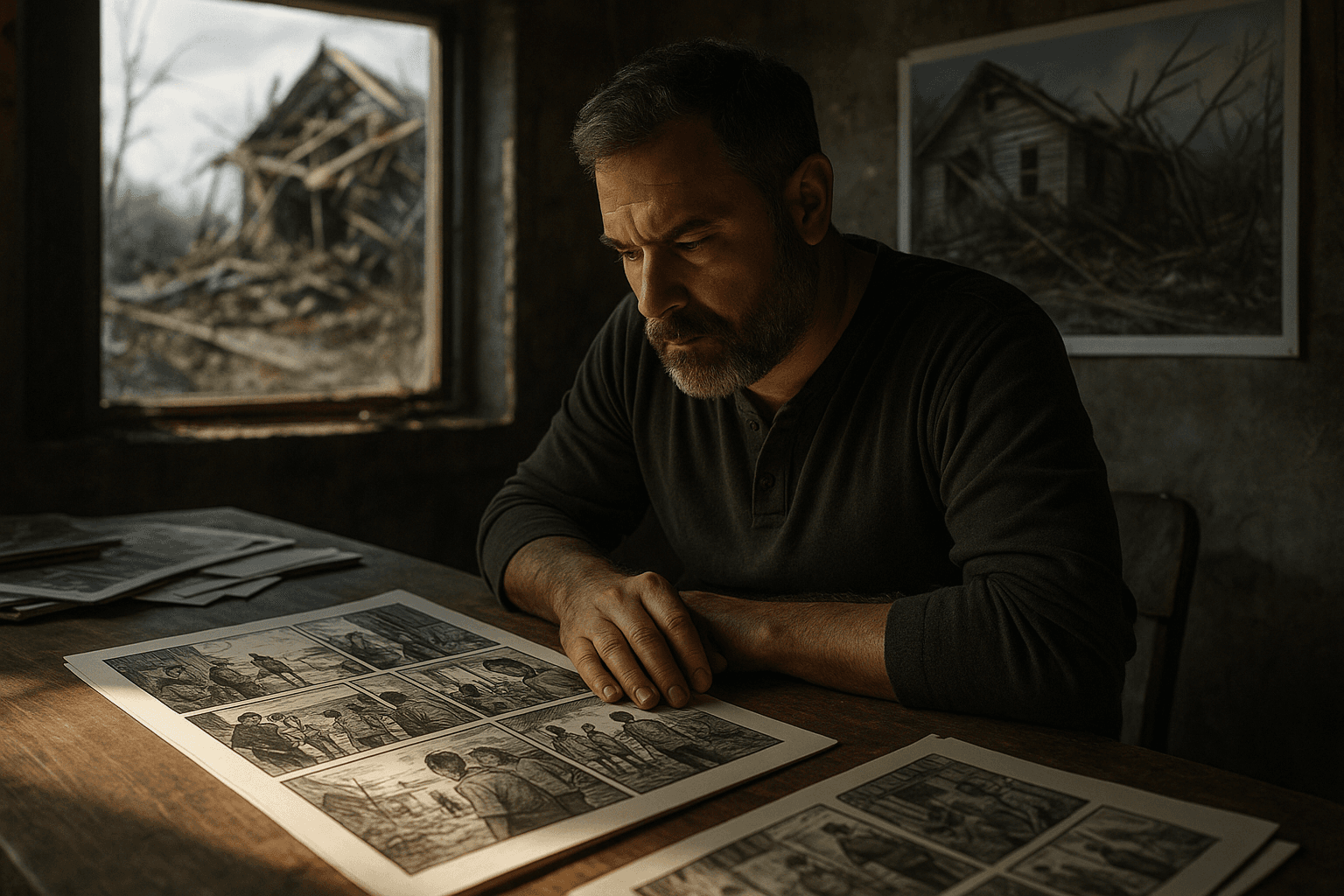
Islands in the Sky includes stories from across Appalachia and explicitly notes contributions from parts of Buncombe County. For residents and local officials the anthology offers a new form of documentation that captures details often missing from formal reports and statistics. Visual narratives can surface how households experienced infrastructure failures, displacement, and recovery efforts, and they provide basis for community discussion about public investments in flood mitigation, emergency response, and social services.
Beyond storytelling the project has civic implications. Survivor centered selection and compensation practices model community engagement in disaster documentation, and the book could influence how policymakers, emergency managers, and grantmakers evaluate needs if they incorporate these narratives alongside quantitative data. The project also creates a public archive that may shape local memory and inform voters about the human stakes of decisions on land use, stormwater management, and disaster funding.
If Islands in the Sky draws sustained support the Appalachia Comics Project plans to expand the series, continuing to pair community authors with comics professionals to preserve survivor testimony and to broaden the region's record of resilience and recovery.
Know something we missed? Have a correction or additional information?
Submit a Tip