Dozens Protest UNC Asheville Plans to Develop 45-Acre Millennial Campus Forest
Dozens of UNC Asheville students and community members protested plans to develop parts of a 45-acre Millennial Campus forest, citing recreation, wildlife and climate concerns.
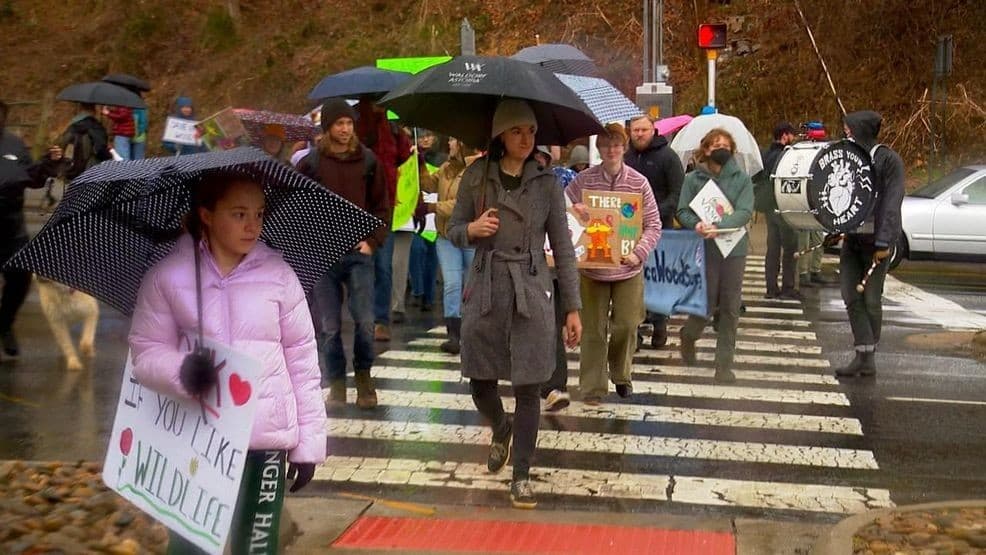
Dozens of students and community members gathered outside the Highsmith Student Union on Jan. 16 to protest UNC Asheville plans to develop portions of the university's Millennial Campus, a property that includes roughly 45 acres of urban forest. Organizers warned that changes to the woods would reduce daily access to nature for students, harm wildlife habitat and weaken the campus's climate resilience.
Local artist Spencer Beals organized the walk-out, which drew support from advocacy groups including Save the Woods. Speakers at the demonstration emphasized that the forest functions as more than landscaping: for many students it is a primary place for exercise, stress relief and study between classes, especially for those who cannot travel off campus easily. Organizers called on university leadership to pause planning and to pursue more extensive community consultation before moving forward.
UNC Asheville officials have said development plans aim to balance campus needs and environmental protections. The protest, however, signaled strong student and community resistance to the current proposals and underscored a broader debate about how public institutions weigh growth against preservation of green space.
The dispute has public health dimensions. Urban forests reduce heat exposure, filter air pollutants and provide settings that support mental health and physical activity. For students living on tight budgets or without reliable transportation, campus woods offer daily, low-barrier access to those benefits. Loss of that access can deepen health disparities for students from low-income backgrounds and for community members who use campus greenspace as an extension of local parks.
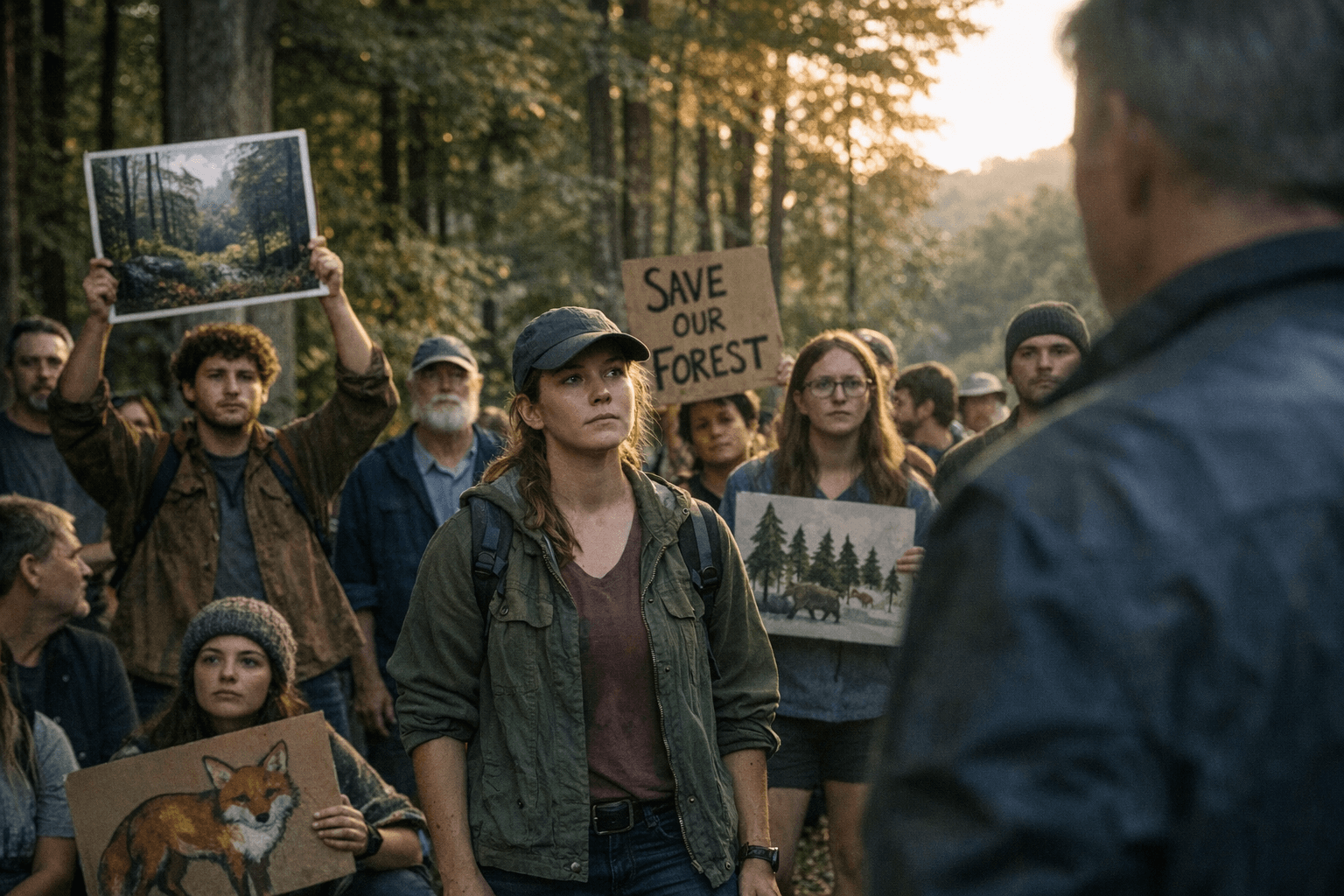
Environmental justice advocates at the demonstration argued that decisions about campus land use should include frontline perspectives from students and nearby neighborhoods. The Millennial Campus development conversation intersects with questions about who has standing in planning processes and whether institutions are sufficiently responsive to community concerns about habitat connectivity and equitable access to nature.
The protest also highlighted ecological considerations. A contiguous 45-acre tract can serve as habitat for urban wildlife and a corridor for plant and animal movement, supporting biodiversity that contributes to ecosystem services on and beyond campus. Development that fragments that habitat could alter those functions and reduce the campus's capacity to buffer climate impacts such as extreme heat and localized flooding.
What happens next will matter for students, faculty, staff and neighbors of UNC Asheville. Organizers want a formal pause and broader outreach; university officials have signaled an intent to balance competing priorities. Residents and students should track university planning announcements and look for opportunities to participate in consultations. How the university reconciles growth with stewardship of the Millennial Campus will have lasting implications for campus life, community health and environmental equity in Buncombe County.
This article was produced by Prism’s automated news system from verified source data, official records, and press releases, then run through automated quality and moderation checks before publishing. The system is built and supervised by the people who set the standards it runs under. Read our full AI policy.
Did this article answer your question?