East Fork Pottery Ends Five Seasonal Contracts, Expansion Moves Forward
East Fork Pottery ended the contracts of five temporary holiday workers after its seasonal backlog cleared faster than expected, affecting about 25 percent of the roughly 20 temps it hired in November. The timing matters locally because those workers lost expected holiday income even as the company proceeds with a planned two and a half million dollar expansion that will add about 40 skilled jobs.
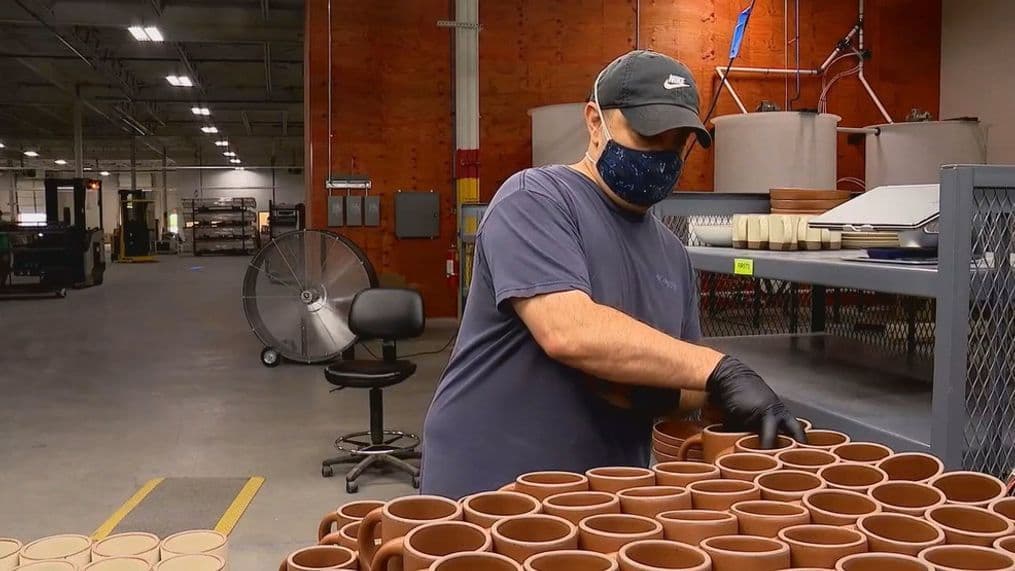
East Fork Pottery notified five temporary holiday employees in mid December that their contracts would end earlier than planned after production moved through seasonal orders more quickly than managers anticipated. The early terminations occurred on or around December 12 and involved five of roughly 20 temporary workers hired in November to meet holiday demand.
The company said the decision was not a layoff driven by falling demand but a consequence of finishing the seasonal work stream ahead of schedule. East Fork also issued an apology to temporary workers who had expected longer terms. Full time staff were not affected. Temporary employees had been paid nineteen dollars per hour initially, rising to about twenty three dollars and fifteen cents per hour after two weeks, a wage level local advocates cite as a living wage benchmark.
The immediate local impact is concentrated and personal. For the five workers whose contracts ended early, loss of expected hours over the holiday period reduced household cash flow at a time when expenses typically rise. For other temporary workers who remained on the schedule, the accelerated completion of work created uncertainty about future seasonal opportunities. Viewed more broadly, the episode highlights volatility in seasonal manufacturing employment even when a company is otherwise expanding.

East Fork is concurrently moving ahead with a previously announced two and a half million dollar expansion intended to add production capacity and about 40 net new skilled jobs in Buncombe County. That investment signals longer term growth in local manufacturing employment and higher skilled positions, though those opportunities may not be immediate or a direct fit for workers brought on for holiday production.
Company officials referenced earlier disruptions from storm Helene and placed the rapid completion of seasonal work in that broader operational context. For policymakers and community organizers, the incident underscores the need to match seasonal hiring practices with clear expectations about duration, to consider short term income supports during abrupt contract changes, and to ensure expansion plans include workforce transition assistance so local residents can benefit from new skilled openings.
This article was produced by Prism’s automated news system from verified source data, official records, and press releases, then run through automated quality and moderation checks before publishing. The system is built and supervised by the people who set the standards it runs under. Read our full AI policy.
Did this article answer your question?


