Fallen tree briefly closes I-40 West in Buncombe County
A fallen tree shut down I-40 West near Exit 55 before the morning commute, then all lanes reopened by 7:47 a.m. after crews cleared the roadway.
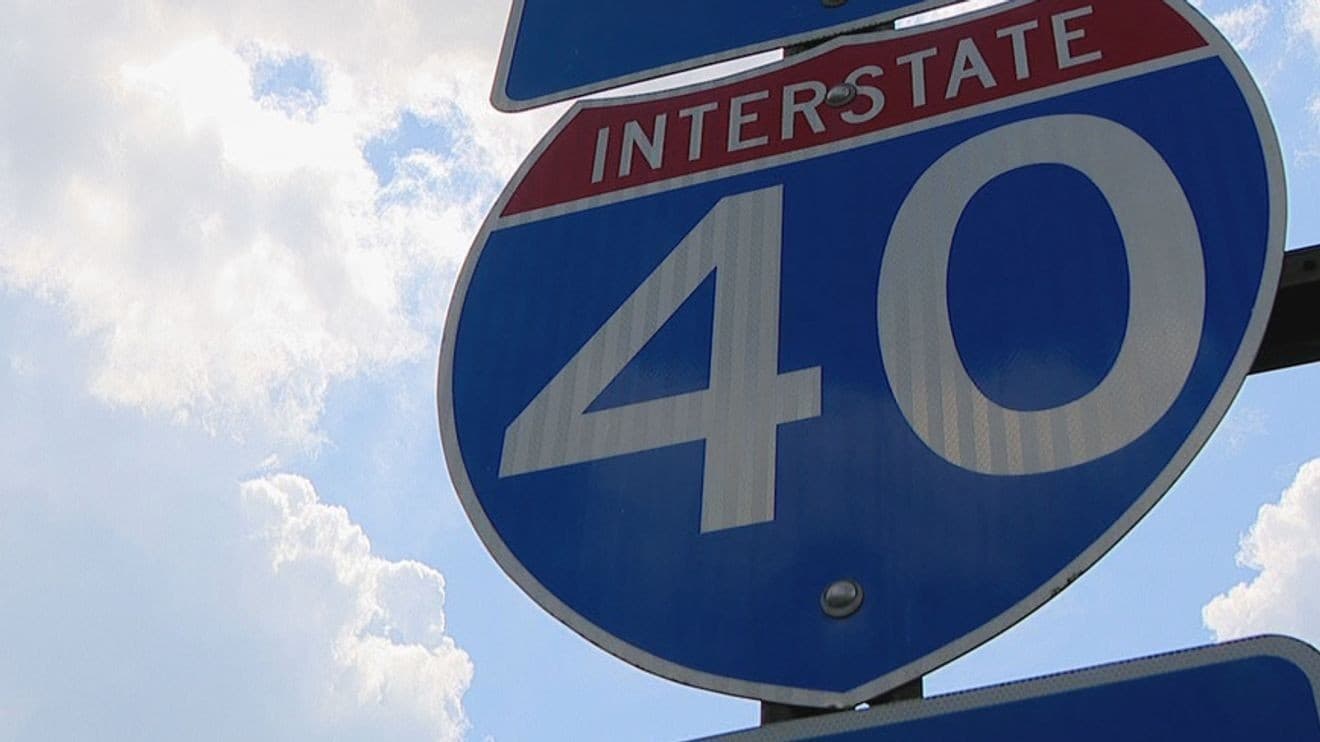
A fallen tree briefly shut down I-40 West in Buncombe County early Thursday, forcing a hard stop on one of western North Carolina’s busiest mountain corridors just past Exit 55, before the Blue Ridge Parkway. The North Carolina Department of Transportation said the westbound closure began around 5:45 a.m., right as commuters were starting to move through Asheville and surrounding routes.
The blockage was described by NCDOT as debris in the road, and WLOS identified the obstruction as a fallen tree. The Asheville Fire Department handled the immediate response, a sign that the tree posed enough of a hazard to require emergency attention as well as removal work. No injuries were reported in the available coverage.
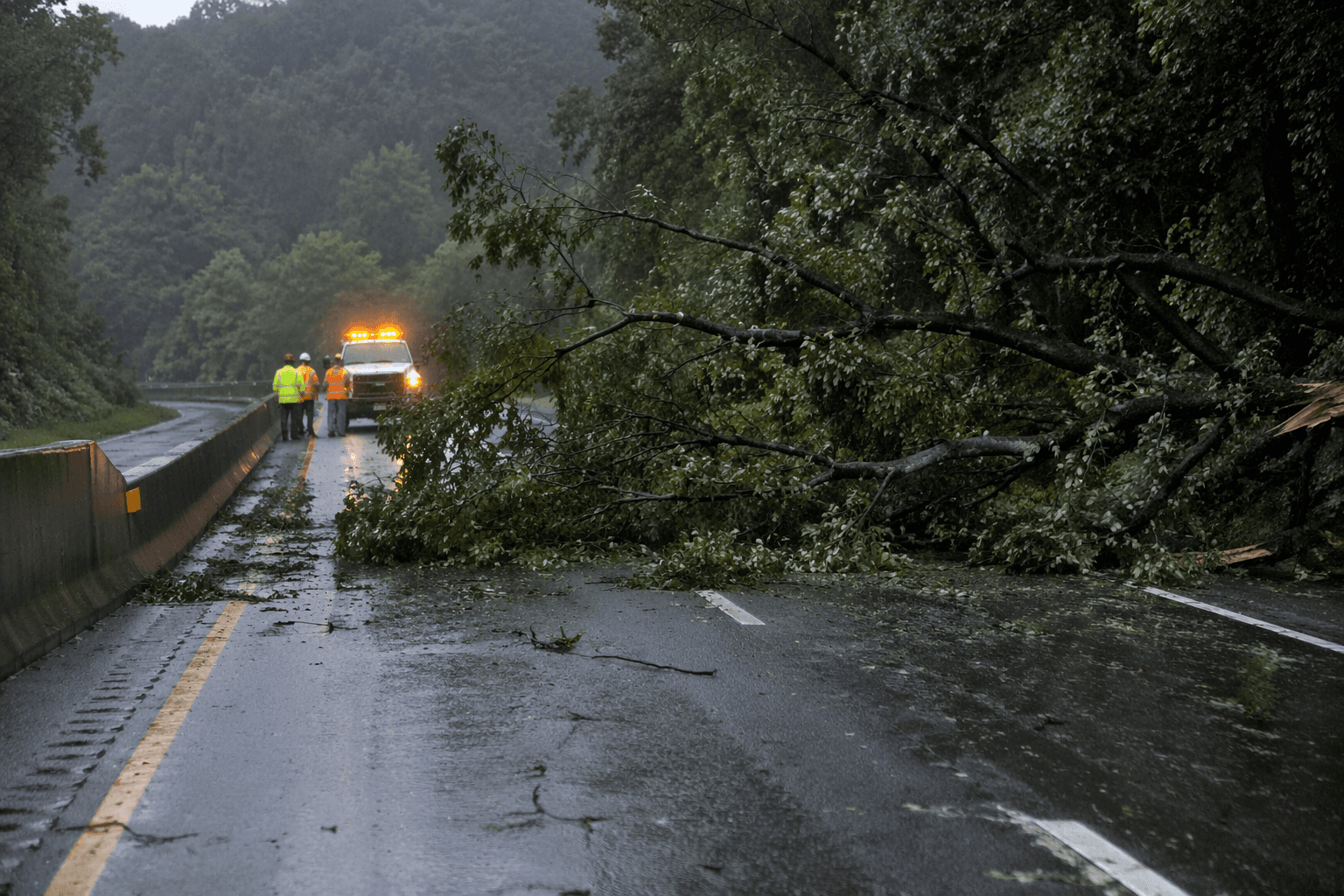
By 7:47 a.m. EDT, all westbound lanes were open again. That quick reopening limited the disruption, but it also showed how fragile travel on this stretch of I-40 can be when weather, saturated soil or storm damage loosens trees along the corridor. In the mountains, even one trunk across the interstate can send traffic backing up fast and push drivers toward local streets not built for heavy overflow.
For Buncombe County residents who depend on I-40 West to reach work, school, job sites and deliveries, the timing mattered almost as much as the blockage itself. A closure in the morning commute window can affect traffic patterns well beyond the interstate, especially when trucks, service vehicles and travelers all have to adjust at once. The reopened lanes restored the flow, but the interruption was a reminder that the corridor remains vulnerable to debris and weather-related setbacks.
The episode fits a broader pattern of transportation stress in western North Carolina, where road reliability depends on constant monitoring and fast response from crews and first responders. Along a route as important as I-40, the difference between a minor obstruction and a major delay can come down to how quickly the hazard is spotted, reported and cleared. On Thursday, that response was swift enough to keep the shutdown brief, but the risk to daily travel was plain.
This article was produced by Prism’s automated news system from verified source data, official records, and press releases, then run through automated quality and moderation checks before publishing. The system is built and supervised by the people who set the standards it runs under. Read our full AI policy.
Did this article answer your question?