Firestorm Books goes off grid, strengthens West Asheville emergency resilience
On December 19, 2025 Firestorm Books, a cooperative bookstore in West Asheville, completed a transition to off grid power and microgrid style infrastructure to ensure the space can operate during severe storms. The upgrade builds on the store's role as a mutual aid and supply hub during Storm Helene, and it boosts neighborhood emergency capacity while offering a local model for grassroots climate resilience.
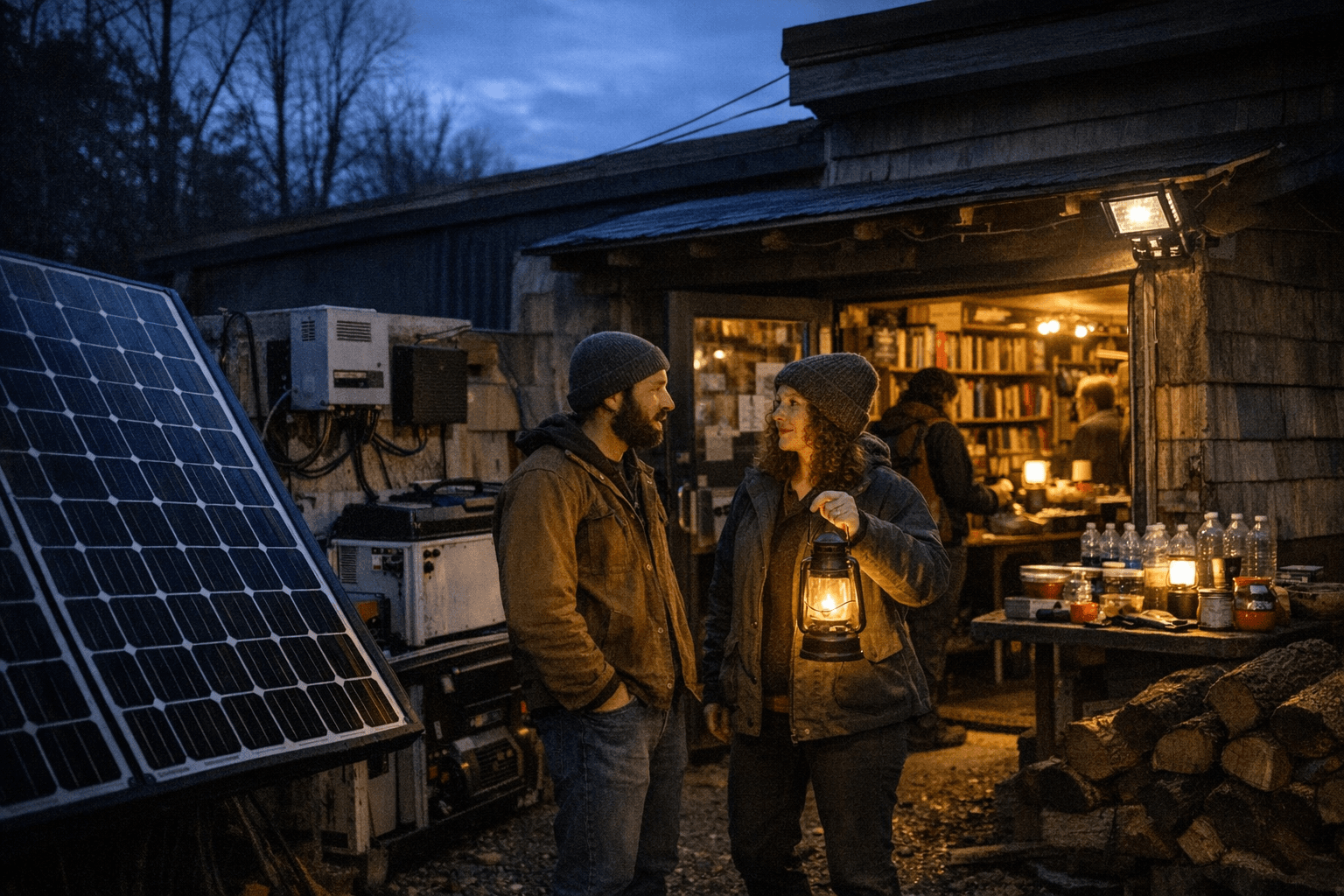
On December 19, 2025 Firestorm Books announced it had completed a move to off grid power and microgrid style infrastructure designed to keep the store operating as a community hub during future weather emergencies. The West Asheville bookstore and cooperative has served as a mutual aid and supply hub during Storm Helene, and the new energy work is intended to make that relief role more reliable and sustainable.
The technical upgrades focus on renewable energy generation, battery storage and microgrid style control systems that allow the building to isolate from the wider electrical grid when needed and continue powering lights, refrigeration and communication equipment. Those capabilities are intended to let the store host distribution of supplies, charging stations for devices and a staging point for neighborhood coordination in prolonged outages. The project also includes basic hardening measures to protect critical equipment from water and wind damage.
Funding for the project came from multiple sources drawn together by the cooperative, including internal cooperative resources, community contributions and external grant support. The mix of financing reduced upfront cost barriers and kept the project aligned with the store's mutual aid mission rather than with profit driven objectives. For a small cooperative business model this approach demonstrates one pathway to resilience without relying exclusively on private capital.
Locally the upgrades shift some immediate emergency capacity into neighborhood control. By maintaining a staffed, powered public space during outages, Firestorm Books reduces pressure on centralized emergency shelters and helps neighbors access supplies closer to home. For Buncombe County this model complements official emergency planning by expanding distributed points of resilience at modest cost.
Longer term the project highlights a trend in which community led sites invest in microgrid style solutions to manage rising storm risk and reduce recovery costs. The bookstore's experience offers practical lessons for other small businesses and civic groups exploring investments in renewable energy and resilient operations. As climate driven storms become more frequent, locally controlled resilient hubs are becoming an increasingly important element of community preparedness.
Know something we missed? Have a correction or additional information?
Submit a Tip