Forest Service Halts Logging, Preserves Pisgah National Forest Tract
The U.S. Forest Service canceled a contested logging project in Pisgah National Forest on December 16, 2025, and removed equipment after a lawsuit filed in November by conservation groups. The action preserves intact forest within a designated Natural Heritage area, and raises questions about agency transparency and adherence to the Nantahala Pisgah Forest Plan for local residents and stakeholders.
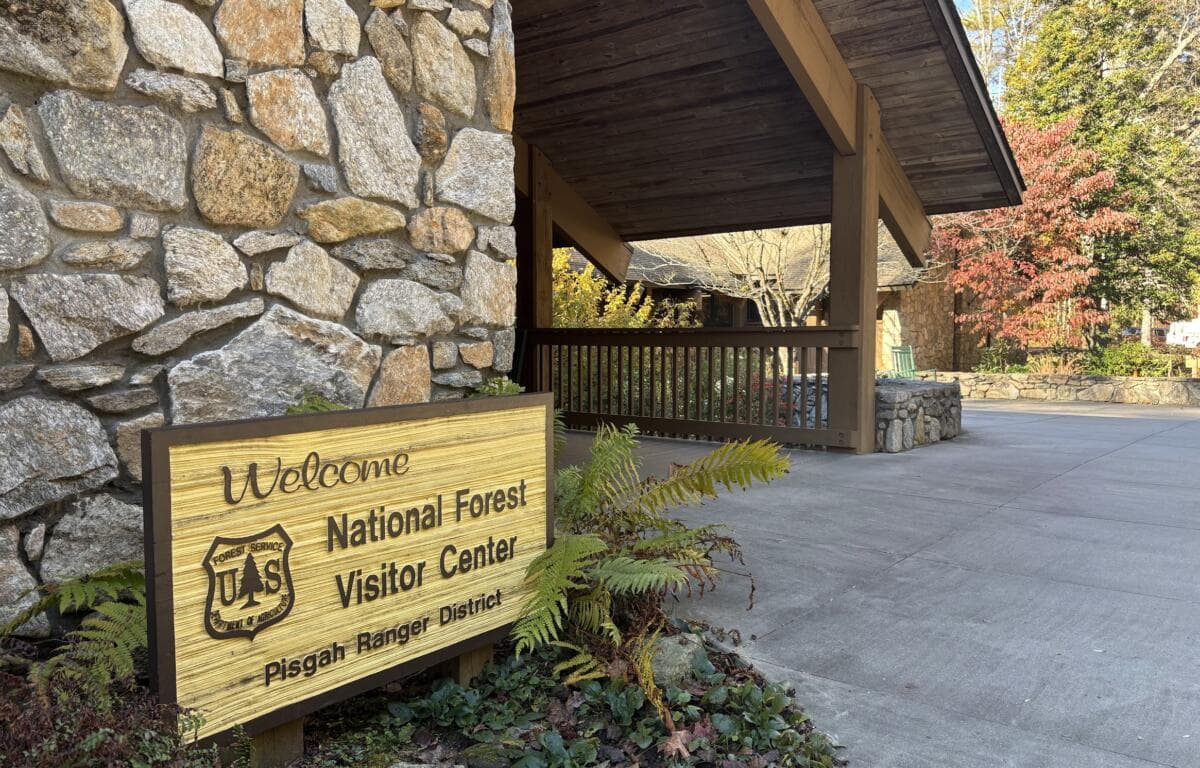
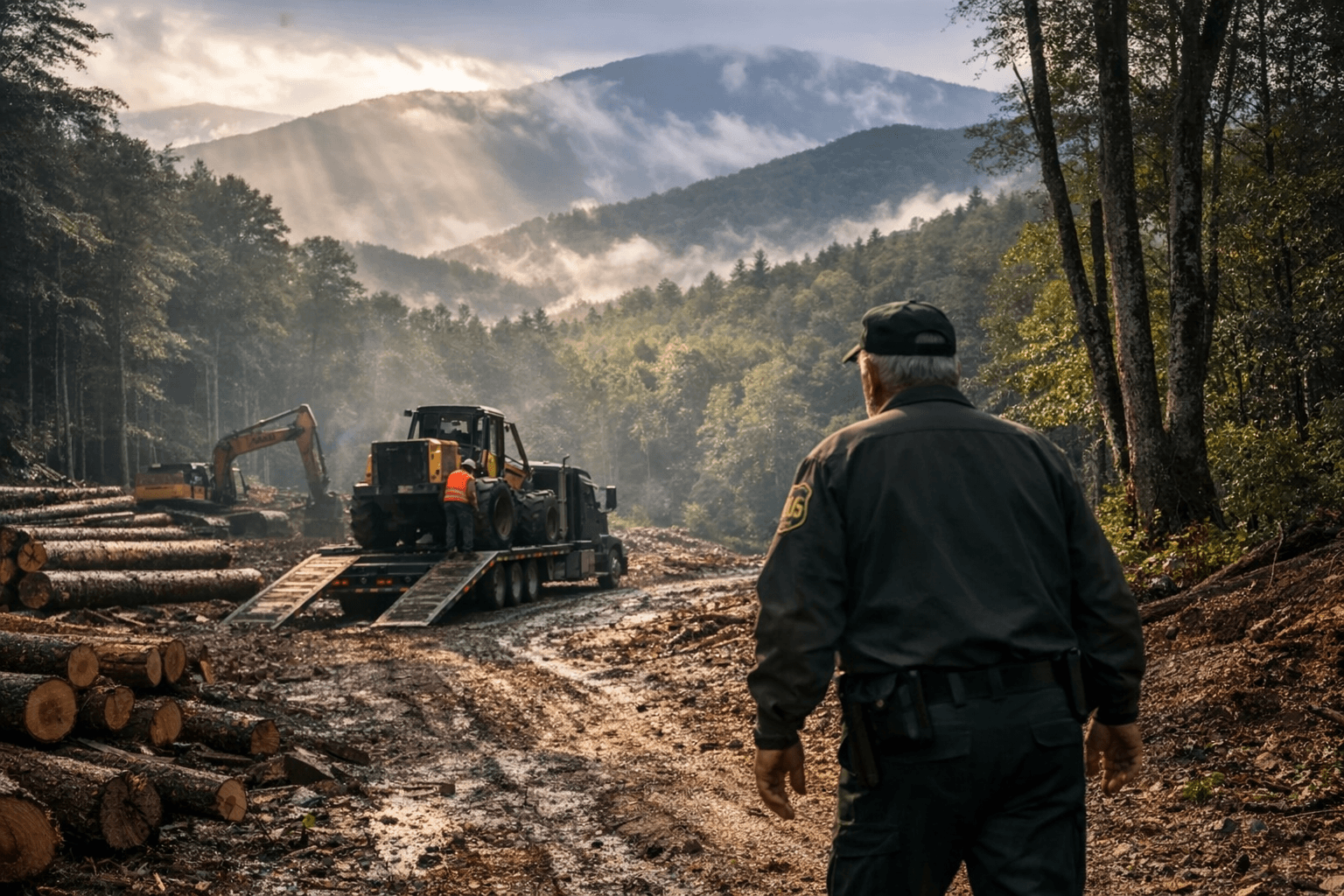
The U.S. Forest Service canceled a planned logging project in Pisgah National Forest and removed equipment from the site on December 16, 2025, after conservation organizations filed a lawsuit in November. The Southern Environmental Law Center brought the suit on behalf of MountainTrue and the Center for Biological Diversity, arguing that operations described by the agency as storm debris removal would affect healthy, intact forest and a designated Natural Heritage area. Fewer than 20 acres of the roughly 120 acre tract were logged before operations were halted and the lawsuit was voluntarily dismissed.
The decision ends an immediate dispute over land management techniques and interpretations of agency authority. The Forest Service framed the work as storm debris removal, while conservation groups said that the planned scope would extend beyond salvaging damaged timber and would intrude on areas identified for their ecological importance. The tract in question sits within portions of Pisgah National Forest that provide habitat connectivity, recreational opportunities, and watershed protection for parts of Buncombe County.
Local environmental organizations described the outcome as a preservation victory for the county, and the parties called for greater transparency and strict adherence to the Nantahala Pisgah Forest Plan. The episode underscores a broader governance issue for federal land management in the region, including how agencies document decision making, notify the public, and apply plan standards when balancing post storm maintenance with long term conservation goals.
For Buncombe County residents the episode has practical implications. Preserving intact stands helps protect water quality and the outdoor economy that supports local businesses and tourism. It also signals that legal challenges can alter agency operations quickly, which may influence how advocacy groups and industry stakeholders approach future projects. The case is likely to increase public scrutiny of Forest Service notices, and may prompt residents to participate more actively in public comment opportunities and planning meetings.
Agency officials and local groups will need to clarify next steps, including any revised management proposals and how the Forest Service will document compliance with the Nantahala Pisgah Forest Plan. The outcome highlights the role of civic engagement and institutional oversight in shaping the stewardship of public lands that matter to Buncombe County communities.
This article was produced by Prism’s automated news system from verified source data, official records, and press releases, then run through automated quality and moderation checks before publishing. The system is built and supervised by the people who set the standards it runs under. Read our full AI policy.
Did this article answer your question?