Former Gov. Roy Cooper Campaigns for U.S. Senate Seat in Asheville
Roy Cooper drew about 150 people to RAD Brewing Co. in Asheville's River Arts District, pitching a utility disconnect ban and tariff rollbacks for storm-weary Western NC families.
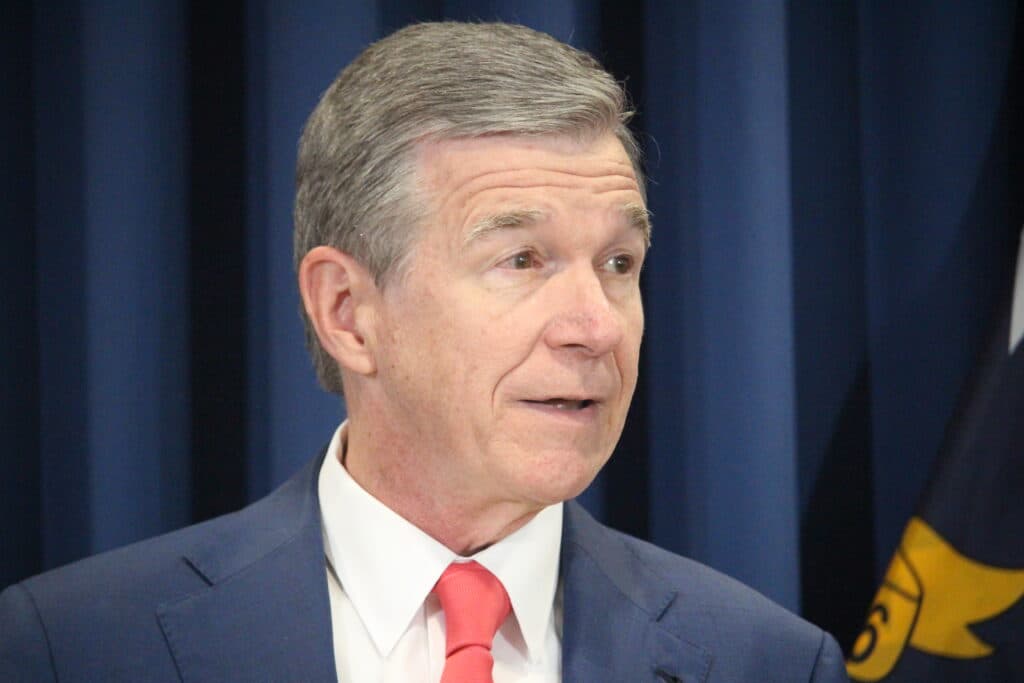
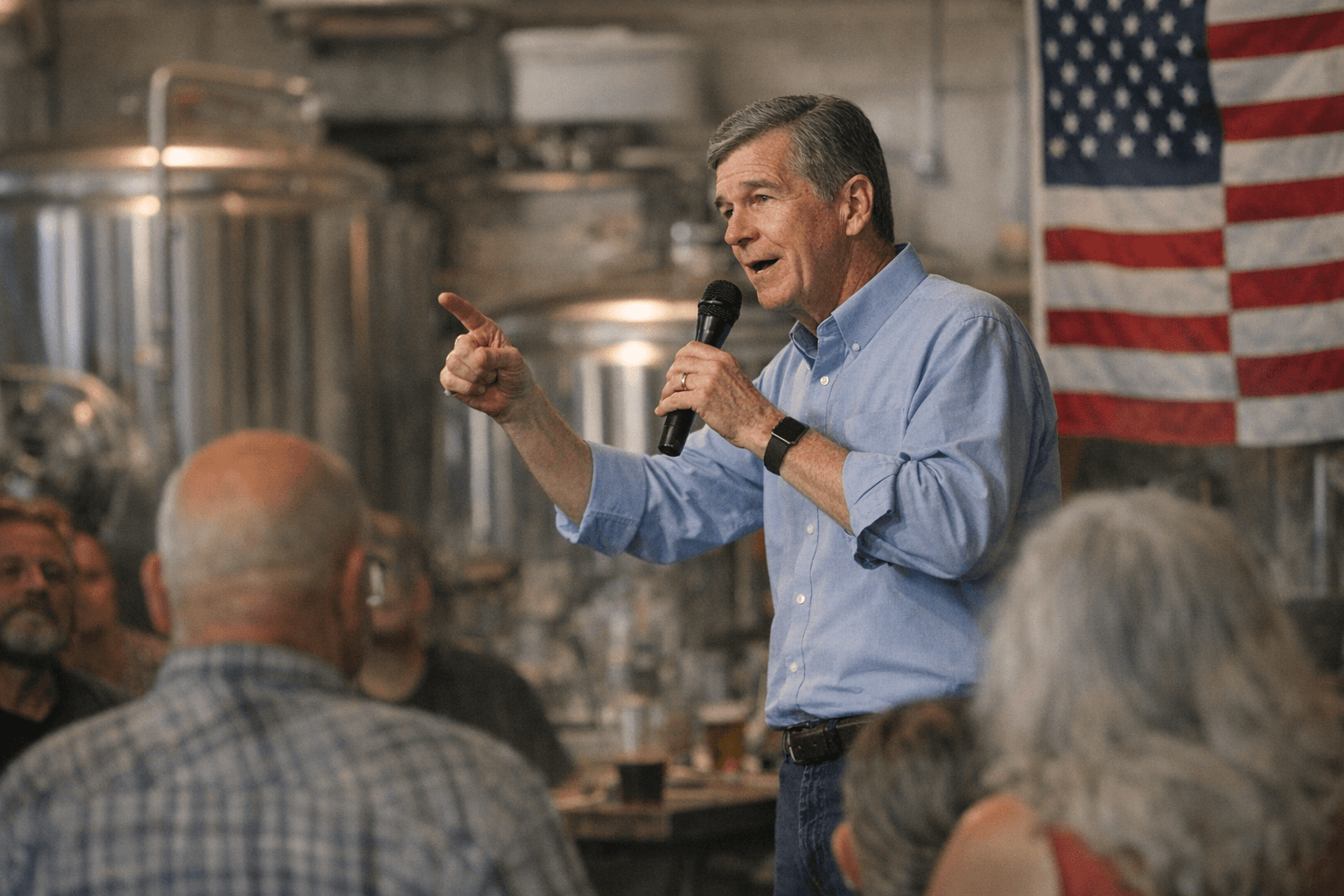
About 150 people packed RAD Brewing Co. in Asheville's River Arts District on March 18 to hear former North Carolina Gov. Roy Cooper make the case for his U.S. Senate campaign, with Hurricane Helene's shadow hanging over a stop that Cooper himself acknowledged carried more weight than a typical stump speech.
"I'm running for people here in Western North Carolina who are still fighting to get their feet under them and to get back to where we were before, before this storm hit," Cooper said, invoking the September 2024 storm that battered Buncombe County and surrounding communities even as RAD Brewing itself was largely spared.
The Asheville appearance was the third stop on Cooper's statewide "Make Stuff Cost Less" tour, which frames his Senate bid around reducing everyday costs including groceries, health care, housing, childcare, and energy. At RAD Brewing, utility costs took center stage. Cooper proposed banning utility companies from disconnecting service during extreme heat or cold, requiring large data centers to pay the full cost of their power use, encouraging major tech companies to generate their own energy, and modernizing the electric grid.
"We have to do all we can to protect North Carolinians when they are at their most vulnerable, even when they haven't been able to keep up with their bill payments," Cooper said.
On food costs, Cooper argued that tariffs imposed at the federal level have squeezed farmers, with those costs traveling through the supply chain to grocery store shelves and restaurant menus. His approach calls for rolling back those tariffs while strengthening antitrust enforcement to block large-scale mergers in grocery retail and food processing that he contends limit competition and push prices higher.
Cooper also pointed to the state's Medicaid expansion, which he described as a bipartisan accomplishment during his tenure as governor, as a model for federal action on health care affordability. He argued that failure to extend key federal subsidies has left many North Carolinians unable to afford coverage or forced into costlier plans with fewer benefits, a problem compounded in the rural west by provider closures in recent years.
Cooper is seeking the U.S. Senate seat being vacated by Sen. Tom Tillis, who is not seeking reelection. He is set to face Michael Whatley, former chair of the Republican National Committee, in November. The race is expected to be among the most competitive Senate contests in the 2026 midterm elections. The Whatley campaign has said it plans to visit western North Carolina in the coming month, though no specific dates have been announced.
A spokesperson for the Cooper campaign highlighted his economic development record as governor, saying Cooper "made North Carolina the best state for business three out of the last four years" and, as attorney general, "challenged rate hikes year after year to put working people ahead of corporate profits." Critics of Cooper, including a spokesperson identified in reports only as Felts, countered that he has "a long history of supporting green energy mandates that would cripple the budgets of working families across North Carolina" and faulted his leadership following Hurricane Helene.
Federal recovery funding for Western North Carolina remained a consistent thread throughout the Asheville stop, underscoring how thoroughly Helene's aftermath continues to shape the political conversation in Buncombe County heading into the 2026 election cycle.
This article was produced by Prism’s automated news system from verified source data, official records, and press releases, then run through automated quality and moderation checks before publishing. The system is built and supervised by the people who set the standards it runs under. Read our full AI policy.
Did this article answer your question?