Hedge Fund Ground Lease Keeps West Asheville Kmart Site Stuck in Limbo
A hedge fund's ground lease on 1001 Patton Ave is blocking Ingles Markets from building at West Asheville's long-vacant Kmart site, not city permits or neighborhood pushback.
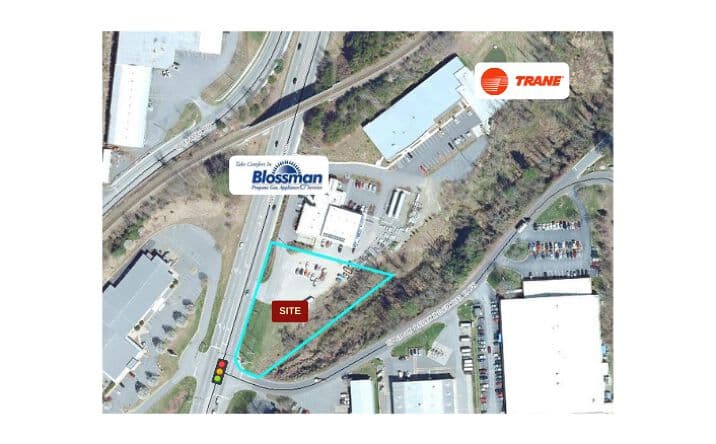
Seven years after Kmart shuttered its doors at 1001 Patton Avenue, the hulking vacant building at the gateway to West Asheville remains boarded up, scarred by fires and repeatedly vandalized. The main reason has nothing to do with city permits or neighborhood opposition.
A decades-old ground lease held by a hedge-fund-owned asset manager is the central obstacle blocking Ingles Markets from breaking ground on a redevelopment that already cleared Asheville's conditional zoning process in 2022. The lease, which predates Ingles' 2019 purchase of the property, gives an outside investment firm effective control over what can be done with the land, leaving Ingles in the unusual position of owning a site it cannot freely build on.
The 150,000-square-foot store that Ingles and city planners envisioned as a major retail anchor for West Asheville has been stalled not by local opposition but by the kind of financial and legal entanglements that rarely surface in routine planning discussions. The ground lease's long-term terms, compounded by the asset manager's own financial position, have pushed any resolution into a potential negotiation among Ingles, the lease holder and possibly creditors or courts.
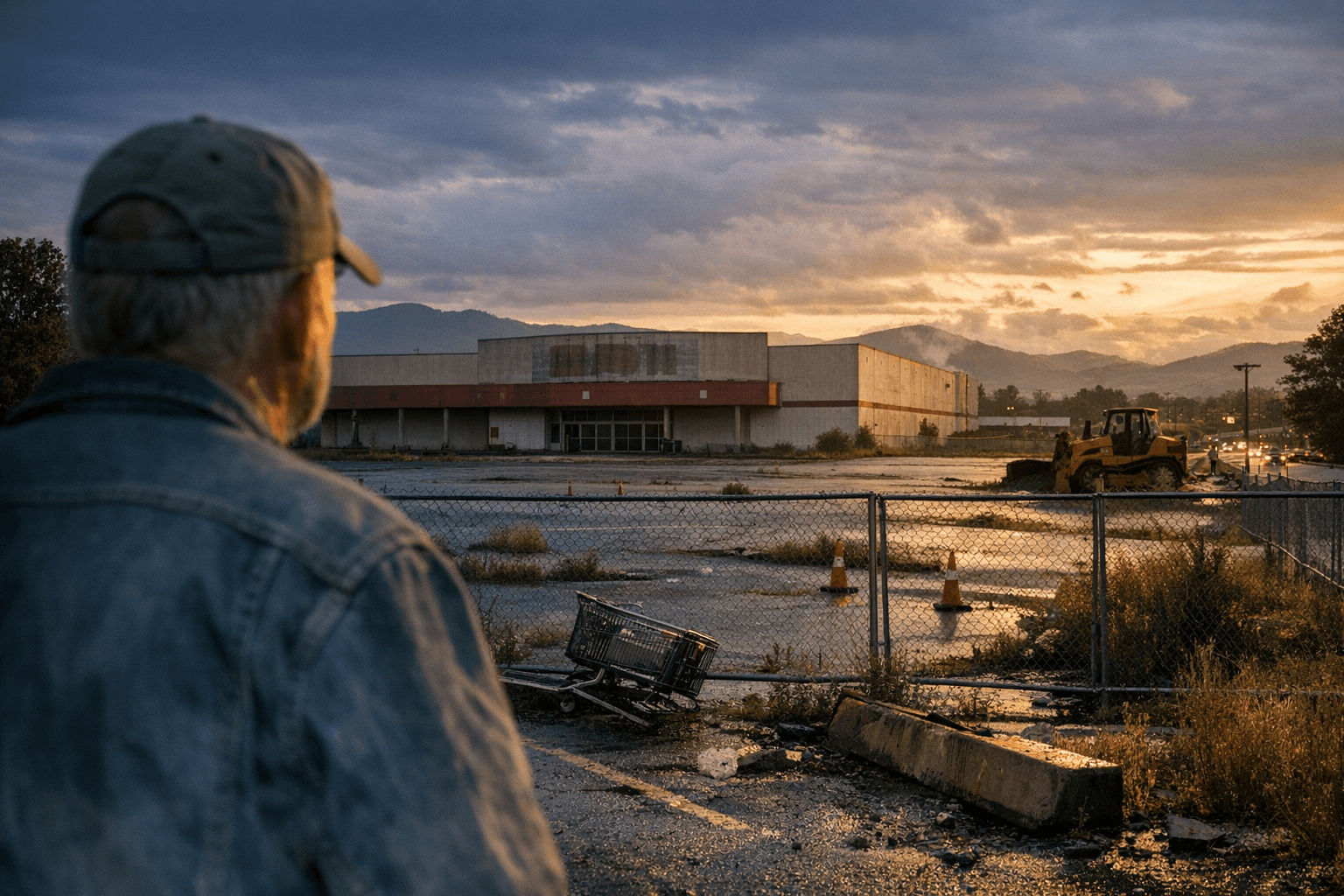
The Patton Avenue site has not aged gracefully. It has suffered fires and repeated vandalism in the years since Ingles took ownership, and its continued disrepair has become a recurring concern for neighbors and city officials, who have fielded steady public inquiries about why one of West Asheville's most prominent commercial corners remains inactive.
A completed development would represent a meaningful economic shift for the corridor: a large-format retail project capable of generating jobs and tax revenue at a site that currently produces neither. But untangling the lease appears to be the prerequisite, and no timeline has emerged for when that might occur. What the situation lays bare is that some of the most consequential forces shaping West Asheville's built environment are being decided not at City Hall or in neighborhood meetings, but in the financial calculations of a distant investment firm.
This article was produced by Prism’s automated news system from verified source data, official records, and press releases, then run through automated quality and moderation checks before publishing. The system is built and supervised by the people who set the standards it runs under. Read our full AI policy.
Did this article answer your question?


