Historic Asheville Newspaper Building Reopens as Vinyl and Studio Hub
The 1938-39 Art Moderne building at 14 O'Henry Avenue in downtown Asheville has been repurposed into a vinyl pressing plant, recording studios and a public cultural space. The adaptive reuse preserves a decades-long local media landmark while aiming to create creative-economy jobs and new foot traffic that could bolster downtown businesses.

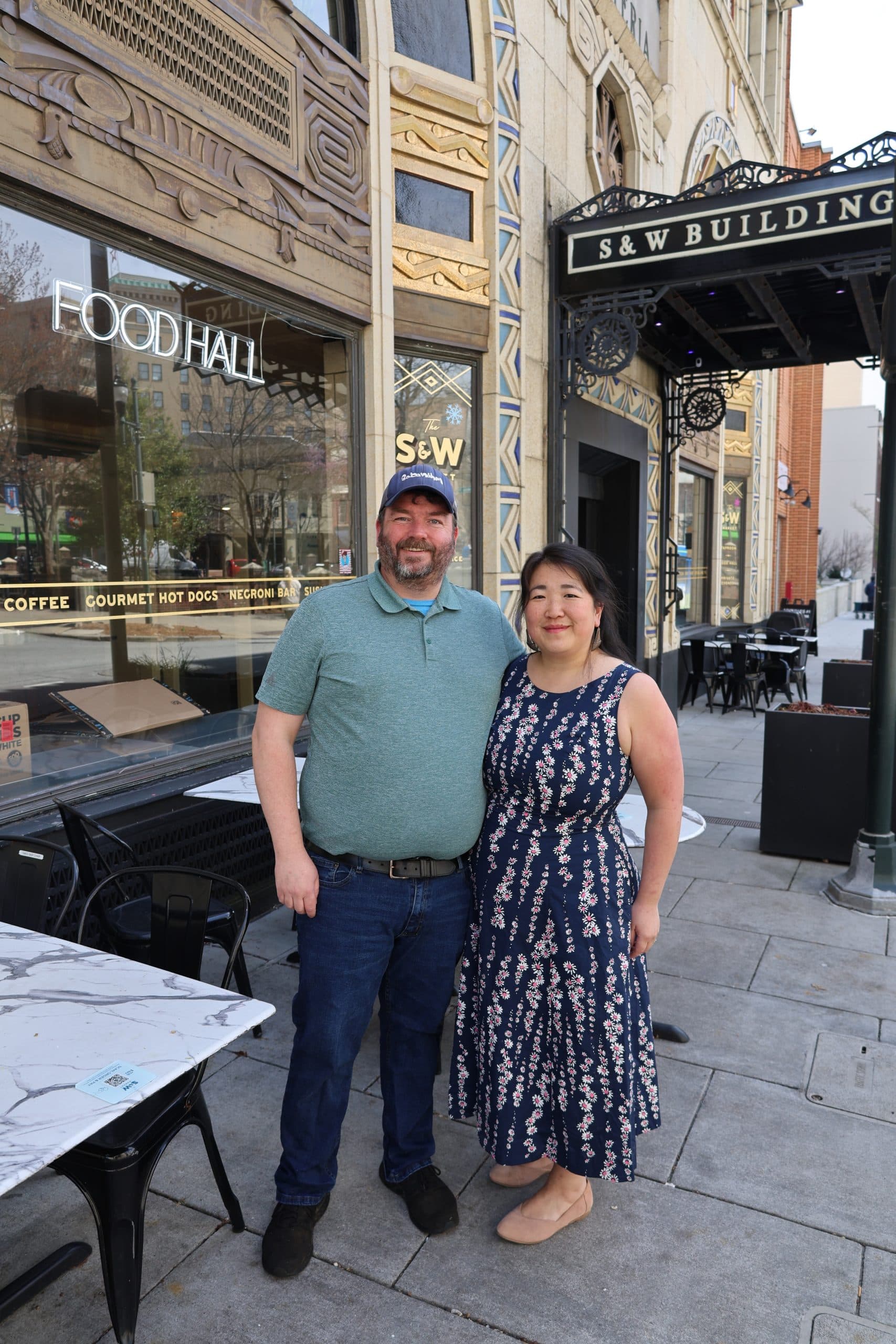
The former Asheville Citizen-Times building at 14 O'Henry Avenue has been transformed into a vinyl pressing facility, audio production studios and public space, converting a long-standing media landmark into a center for music manufacturing and creative work. The 1938-39 Art Moderne structure, which housed Asheville newspapers and WWNC radio for decades, now combines small-scale manufacturing with restored historic studio space and areas open to the public by appointment.
Architectural and cultural preservation is central to the project. The building’s third-floor WWNC radio studio was carefully restored and converted into a modern recording environment known as Citizen Studios, maintaining the historical footprint while upgrading technical capabilities for contemporary audio production. The broader redevelopment retools former newsroom and broadcast areas for pressing equipment, production workflows and public programming, preserving the building’s exterior design and interior heritage features where possible.
For Buncombe County residents, the change brings tangible economic and cultural implications. The site’s new focus on vinyl pressing and studio services targets growth within the creative economy, a sector that often yields local employment in production, engineering, retail and events. Organizers state the project’s goal is to preserve local history while creating creative-economy jobs and cultural space in downtown Asheville. The facility’s presence can generate incremental downtown foot traffic, support area restaurants and retailers, and provide a rehearsal and production resource for local musicians and producers.
The project also represents a shift from print-centered media operations to a hybrid of light manufacturing and cultural services. That transition mirrors broader patterns in adaptive reuse: repurposing legacy media and industrial buildings into creative-industry hubs to retain architectural character while meeting contemporary economic needs. The restored radio studio offers an especially direct continuity with the building’s broadcast past, now serving as a production asset rather than a transmission point.
Practical visitor information is available for those who want to tour or use the space: the address is 14 O'Henry Avenue in downtown Asheville, visits and studio access are arranged by appointment, and a contact email is provided for scheduling. As the facility establishes operations, local officials and business groups will be watching for measurable impacts on employment, downtown activity and cultural programming.
This adaptive reuse project ties preservation to local economic strategy, converting a familiar civic landmark into an operating hub intended to sustain both Asheville’s music community and the downtown business corridor.
Know something we missed? Have a correction or additional information?
Submit a Tip