How Asheville bartenders decide when to cut off drunk customers
Asheville bartenders watch for slurred speech, glassy eyes and boisterous behavior, but North Carolina law makes every cut-off a public-safety and liability decision.
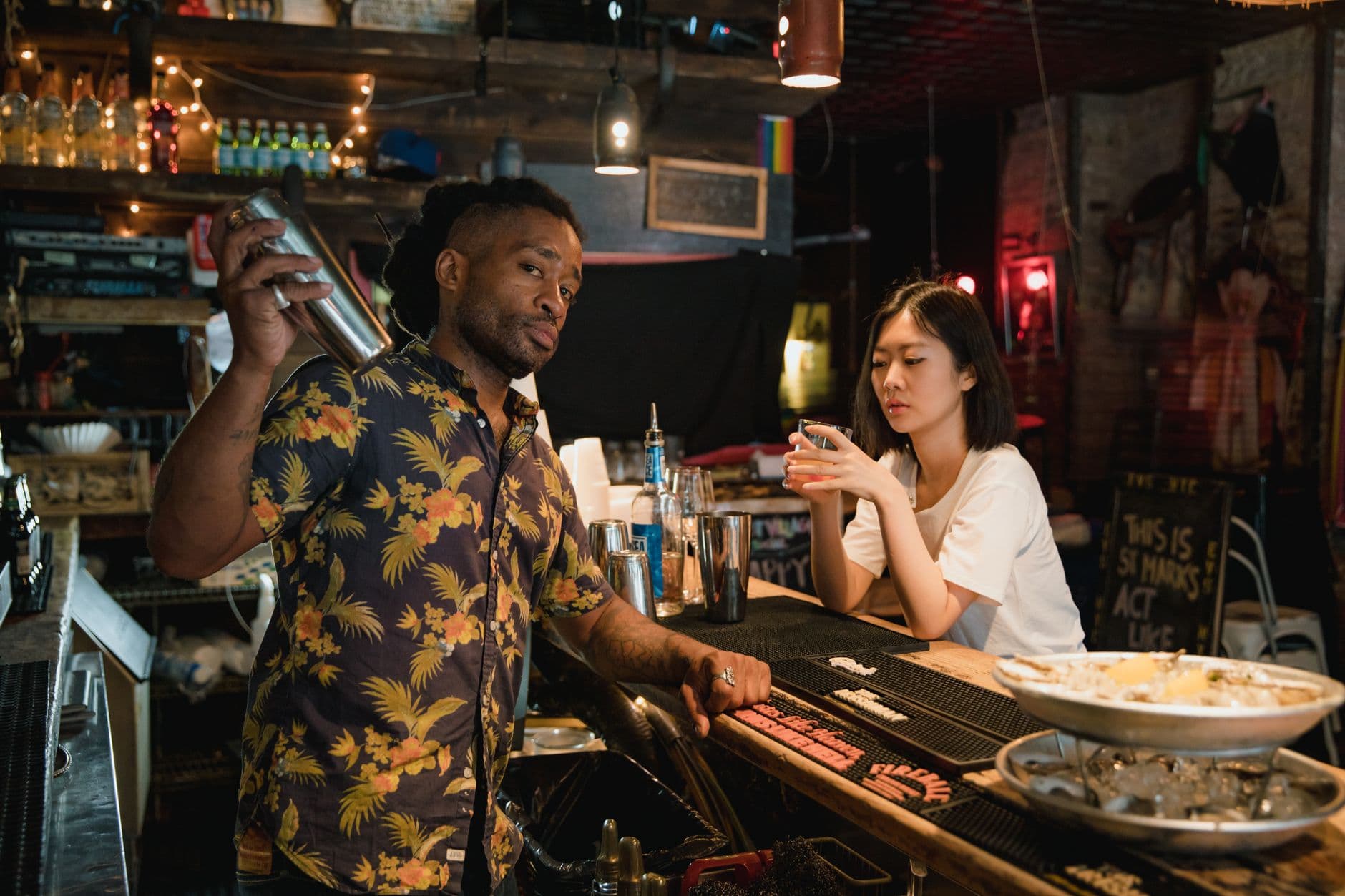
At an Asheville bar on a busy night, the call to stop service can come in a few seconds: slurred speech, glassy eyes or boisterous behavior can tell a bartender a customer has had enough. In North Carolina, that judgment is more than a matter of etiquette, because serving an intoxicated person can trigger criminal and civil consequences, and the risk does not end until everyone leaves the street safely.
What bartenders are trained to spot
The most obvious warning signs are the ones staff are taught to notice first. Those visible cues can be enough to stop service, even if the customer insists otherwise or seems only mildly impaired.
The harder part is that those signs do not always tell the whole story. A person may have mixed alcohol with drugs, may already have been drinking at another bar, or may look more composed than they actually are. That uncertainty can make a cut-off in a downtown Asheville dining room or taproom look like a simple customer-service decision from the outside, while the server is making a judgment under pressure.
Why the call gets difficult in real time
The decision is rarely made in a calm, isolated setting. In Asheville’s nightlife districts, bartenders and servers are usually dealing with crowds, noise, multiple tabs and a steady flow of people who may be moving between bars, breweries and restaurants. A guest who seems talkative and upright might still be impaired enough that another drink pushes the situation over the line.
Overserving that results in injury can create civil liability for a restaurant or bar, in addition to criminal consequences. In practice, that means the wrong call can travel far beyond the counter and into a crash investigation, a lawsuit or a licensing problem.
What North Carolina law requires
North Carolina General Statute G.S. 18B-305(a) makes it unlawful for a permittee or employee to knowingly sell or give alcoholic beverages to any person who is intoxicated. Violating that provision is a Class 1 misdemeanor.
The same statute, in G.S. 18B-305(b), also says a seller may refuse to sell alcohol to anyone in their discretion. That gives bartenders and managers legal backing when they decide a night should end for a customer, even if the customer disagrees. The NC ABC Commission’s retail guide, updated in April 2024, repeats that standard, and the commission’s right-to-refuse notice bars knowingly purchasing alcohol for someone who has already been refused.
Why Asheville feels the stakes so sharply
Explore Asheville put visitor spending in the county at nearly $3 billion in 2023 and travel and hospitality at 20% of Buncombe County’s GDP. That means the judgment calls happening behind bars and restaurant counters are being made in one of the county’s most economically important sectors.
The public-safety stakes are just as concrete. A recent lawsuit against an Asheville bar accused the business of overserving a patron who later caused a fatal crash. For owners, managers and staff, that kind of case puts pressure on training, documentation and refusal policies, especially in busy downtown spots where late-night traffic and impaired driving can collide.
What customers should understand before a night out
A server’s decision is based on what they can observe, not on how sober a customer feels or claims to be. Once a bartender sees intoxication, the law backs the refusal, and continuing to argue usually does nothing to change the underlying risk.
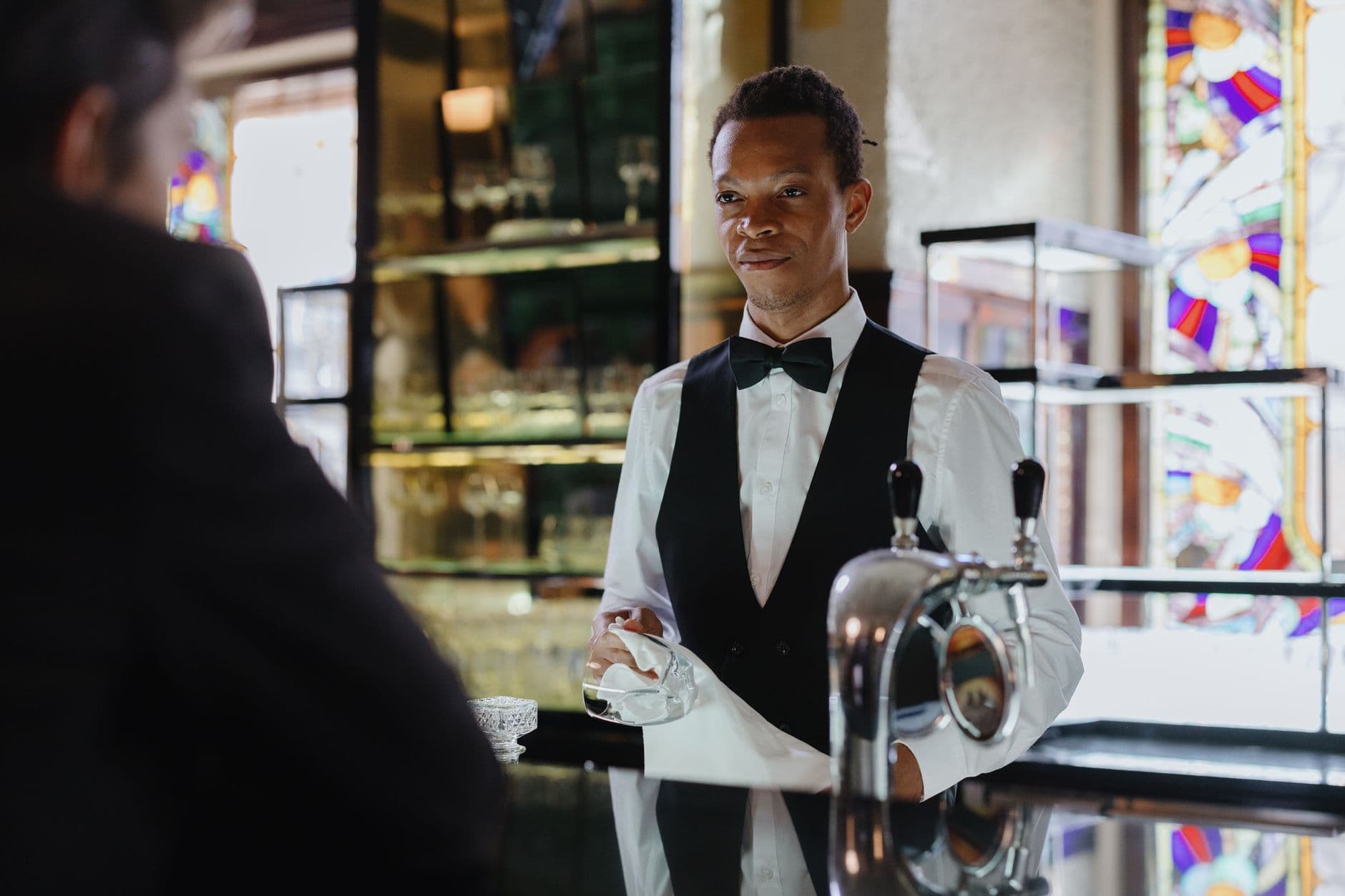
- If a bartender cuts you off, the night at that bar is over.
- If a person has been refused service, it is illegal to knowingly buy alcohol for them.
- A cut-off can be based on visible signs, not just the number of drinks a customer believes they had.
- Because the law also bans serving a person who is intoxicated, a “last drink” request can put staff at risk if they ignore the warning signs.
The bottom line for Asheville bars and restaurants
Chapter 18B creates a uniform system of control over the sale, purchase, transportation, manufacture, consumption and possession of alcoholic beverages in North Carolina. That framework requires bartenders to make fast calls using imperfect information and to refuse service before a customer becomes a danger to themselves or someone else.
This article was produced by Prism’s automated news system from verified source data, official records, and press releases, then run through automated quality and moderation checks before publishing. The system is built and supervised by the people who set the standards it runs under. Read our full AI policy.
Did this article answer your question?