I 26 Connector land acquisition begins, about 80 relocations expected
The North Carolina Department of Transportation has entered a new phase of land acquisition for the long delayed I 26 Connector around Asheville, with roughly 80 relocations expected in this round. The moves will affect homeowners and small businesses along the corridor, creating financial and access challenges for local residents as multi year construction moves forward.
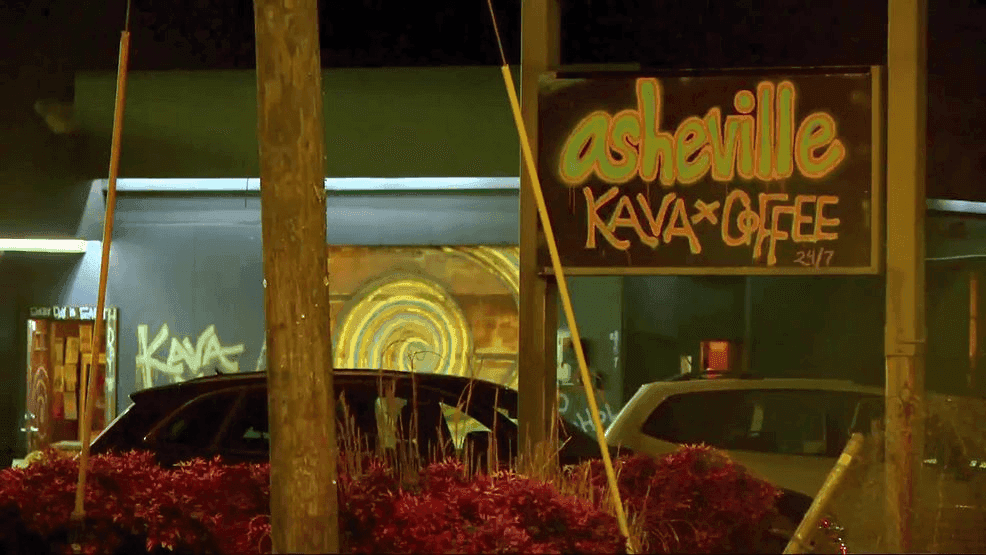
On December 22, 2025 the North Carolina Department of Transportation began a new phase of acquiring land for the long delayed I 26 Connector project around Asheville, a step that will require about 80 relocations in the current phase. Property owners and small businesses along the corridor have begun receiving notices about right of way purchases and easements, initiating negotiations over compensation and access that many say remain uncertain.
Local owners report concern over how appraisals are being conducted and how temporary construction easements will affect day to day operations and household access. Driveway and access changes are already being discussed for several properties, and residents are bracing for the disruption that multi year construction will bring to nearby neighborhoods and commercial districts. The combination of relocation costs and prolonged construction has the potential to alter neighborhood traffic patterns and customer flows for local merchants across Buncombe County.
The I 26 Connector is a major regional transportation effort intended to improve mobility through Asheville, but its land acquisition phase highlights the tension between public infrastructure goals and private property impacts. Land purchases and easements are being negotiated property by property, with state processes for appraisal and compensation serving as the framework for settlements. For owners facing displacement, timing and certainty about compensation are central to financial planning and to whether a business can remain viable during and after construction.

For the county, expected short term effects include increased construction traffic, changes to access on feeder roads, and potential revenue impacts for small commercial districts near the corridor. Over the longer term the project aims to improve traffic flow region wide, but those benefits will be measured against the immediate social and economic costs borne by affected households and businesses.
As negotiations proceed residents and business owners will need clear information about compensation, temporary easements, and changes to access. Local elected officials and community organizations can play a role in helping households navigate timelines and paperwork, while keeping attention on mitigation measures to ease disruption during the extended construction period.
Know something we missed? Have a correction or additional information?
Submit a Tip

