I-26 Connector work brings new traffic shifts to Asheville drivers
Asheville drivers are already facing U-turn bans, ramp closures and detours as the I-26 Connector buildout starts reshaping trips between West Asheville and downtown.
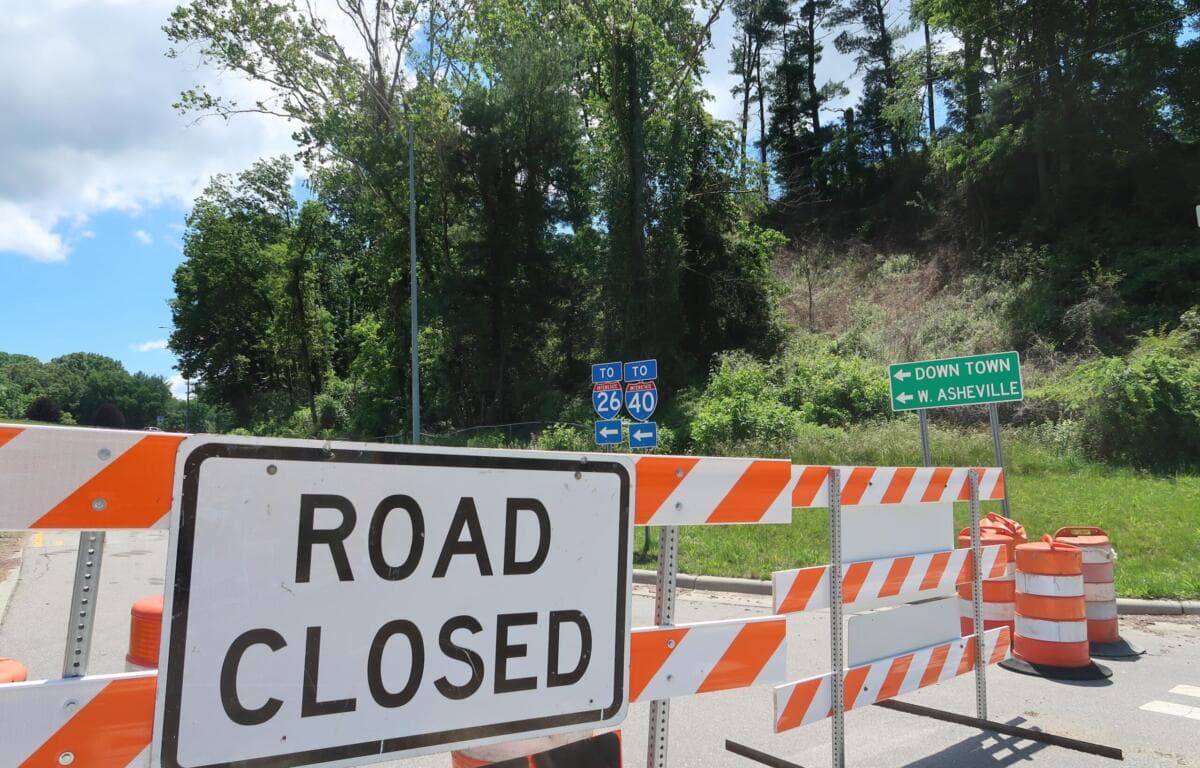
The I-26 Connector is no longer a map line on paper. Concrete barriers, a closed on-ramp near Hill Street and new no-U-turn restrictions around Patton Avenue and Regent Park Boulevard are already changing how Asheville drivers move through the city.
The North Carolina Department of Transportation says the project is a roughly 7-mile interstate freeway connecting the I-26/I-40/I-240 interchange southwest of Asheville to U.S. 19/23/70 north of Asheville. The work is focused on the I-26/I-240 corridor between Haywood Road and Broadway Street, with Section D improving Riverside Drive from Hill Street to Broadway Street. That means the impact is not limited to one work zone. It is reaching downtown Asheville, West Asheville and the river crossings that link them.
NCDOT says the refined project received its Record of Decision on May 26, 2023, the North Section contract was awarded in June 2024, and federal approval to move ahead with revised northern-section plans came in March 2026. Construction is now underway, and the agency says completion is expected in fall 2031.
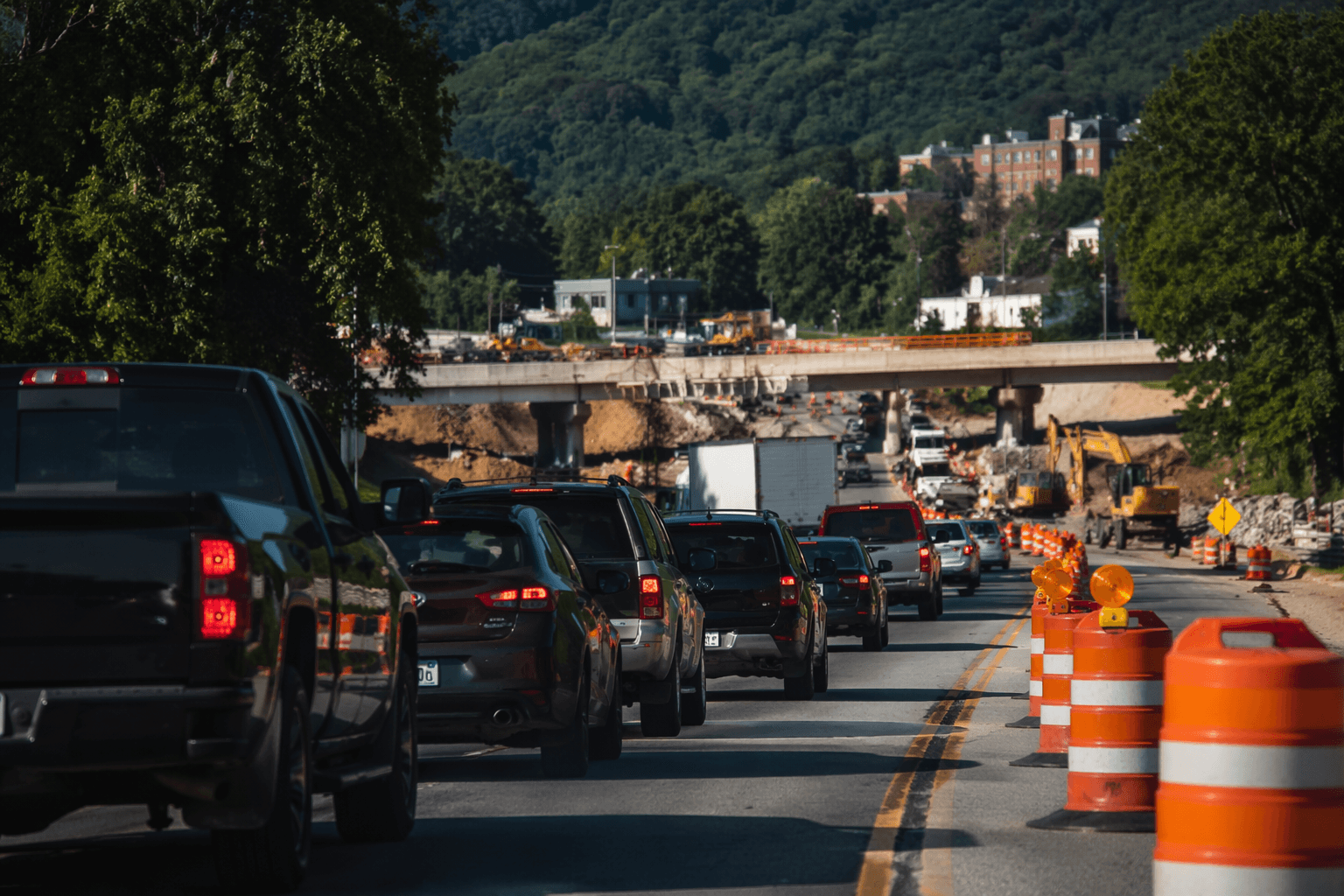
For daily travel, the biggest change is that interstate traffic will eventually move onto a new structure across the French Broad River, while the Bowen bridges will carry local traffic and remain important for pedestrians and bicyclists heading to downtown. That design will keep shaping commute patterns for years, not weeks, and the early closures already show how much pressure the Connector is putting on familiar routes used for school drop-offs, deliveries and trips into central Asheville.
Transit riders are feeling it, too. Asheville Rides Transit has adjusted routes because of Connector-related ramp closures, a reminder that the project affects more than private cars. As the buildout pushes farther into the corridor, the practical questions for NCDOT are how clearly detours are marked, how quickly changes are communicated and how West Asheville businesses and downtown access points are being protected from avoidable confusion.

The project has been in planning since the late 1980s, with a preferred route identified in the 1990s, and it has become one of North Carolina’s costliest transportation efforts. Recent coverage puts the funded portion at $1.8 billion, with the total potentially nearing $2.1 billion if an unfunded section is included. City of Asheville and NCDOT also adopted aesthetics recommendations on October 14, 2025, for the new Patton Avenue bridge, underscoring how much is at stake in a corridor that will shape Asheville traffic long after the current detours are gone.
This article was produced by Prism’s automated news system from verified source data, official records, and press releases, then run through automated quality and moderation checks before publishing. The system is built and supervised by the people who set the standards it runs under. Read our full AI policy.
Did this article answer your question?