IFPHA January Newsletter Highlights MLK Day Observances, Health Equity in Buncombe
The Institute for Preventive Healthcare & Advocacy released a January newsletter highlighting MLK Day observances and early-2026 health equity actions that affect Buncombe County residents.
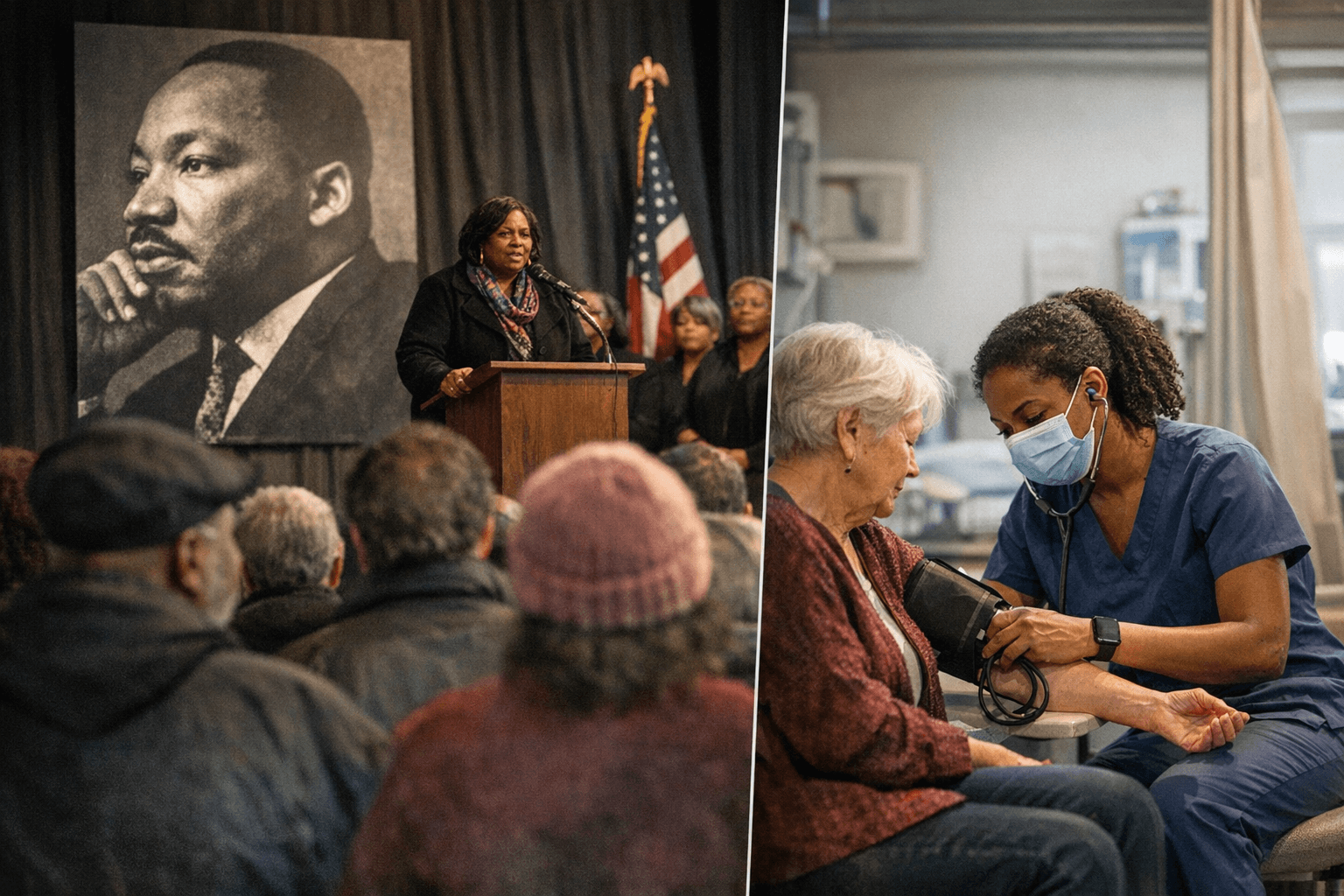
The Institute for Preventive Healthcare & Advocacy (IFPHA) released its January 2026 newsletter on Jan. 20, highlighting local observances for Martin Luther King Jr.’s birthday and a set of health-care-related items planned for early 2026. The bulletin frames these efforts within the institute’s ongoing mission to address social determinants of health and reduce inequities in access to preventive care in Buncombe County.
The newsletter presents MLK Day not only as a day of remembrance but as an organizing moment for community health. It calls attention to observances and community-focused activities that connect King’s legacy of social justice to practical efforts to expand preventive services and outreach. For Buncombe residents, that linkage underscores how civil-rights principles intersect with everyday access to clinics, screenings, and health information.
IFPHA’s mission, outlined in the release, centers on tackling barriers such as unstable housing, transportation gaps, food insecurity, and uneven access to primary care. The January mailing outlines a timeline of health-care-related priorities for the first months of 2026, indicating a focus on preventive services, community engagement, and partnerships with local providers and faith-based groups. The newsletter was published as a PDF and directs readers to the institute’s website for more detailed event information and participation opportunities.
Local public-health advocates say focusing on prevention can reduce emergency-room visits and long-term health costs while improving quality of life across neighborhoods. For Buncombe County, where access varies between urban centers and outlying communities, coordinated outreach and targeted preventive programs can make tangible differences in outcomes for chronic illnesses and maternal-child health.
Practical implications for residents include increased chances of community screenings, educational events, and partnerships between clinics and neighborhood organizations in the months ahead. Faith communities and neighborhood clinics often lead and host these efforts; the institute’s emphasis on MLK Day observances signals an intent to mobilize those existing networks around concrete health goals.
Readers interested in attending events, volunteering, or tracking IFPHA initiatives should consult the institute’s website for schedules, locations, and contact details. As the community moves into 2026, the institute’s newsletter serves as both a reminder of the moral case for health equity and a roadmap for local action. Expect more public-facing activities and outreach linked to the institute’s early-year priorities as residents and partners work together to translate the dream of health equity into on-the-ground services across Buncombe County.
This article was produced by Prism’s automated news system from verified source data, official records, and press releases, then run through automated quality and moderation checks before publishing. The system is built and supervised by the people who set the standards it runs under. Read our full AI policy.
Did this article answer your question?