Large Winter Relief Distribution Provides Meals, Supplies for Candler Families
On December 15, 2025, the Zakat Foundation of America and Day One Relief held a large distribution at 12 Hilltop Drive in Candler, handing out winter kits, groceries, hygiene items and hot meals to area families. The event addressed immediate needs brought into sharp relief after Tropical Storm Helene, offering short term aid while underscoring longer term gaps in local disaster recovery and support for low income households.
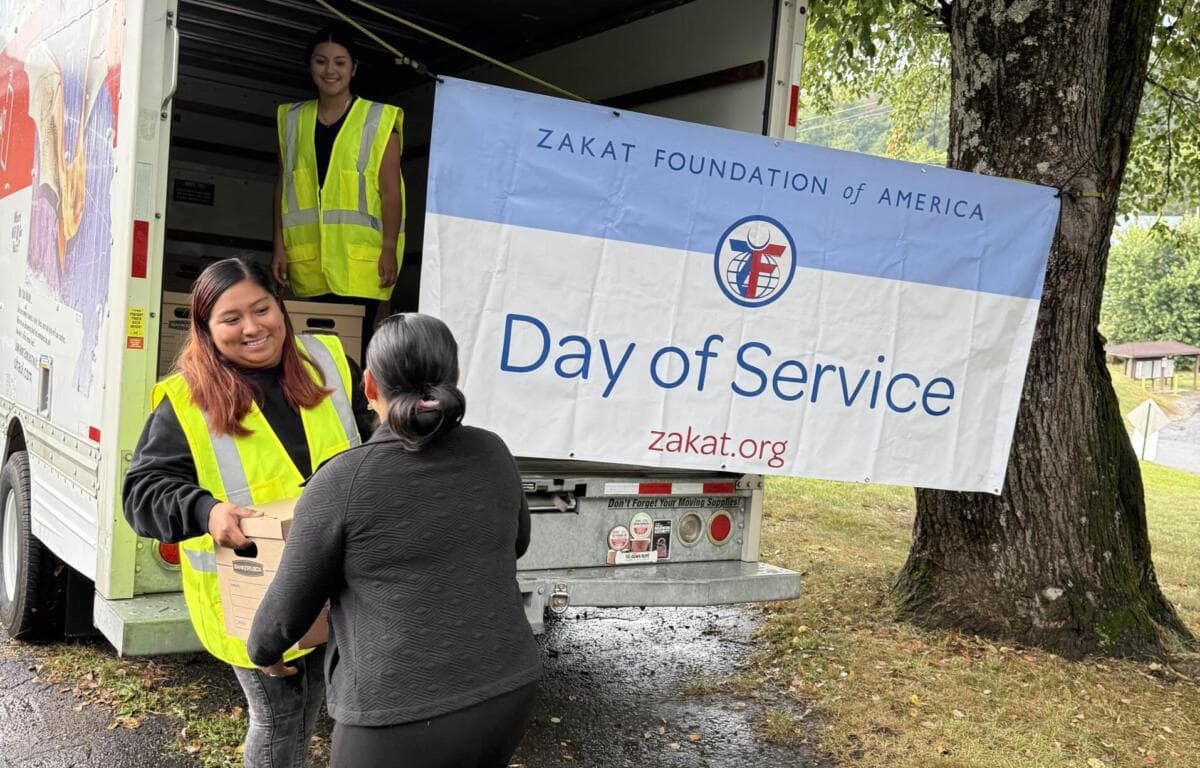
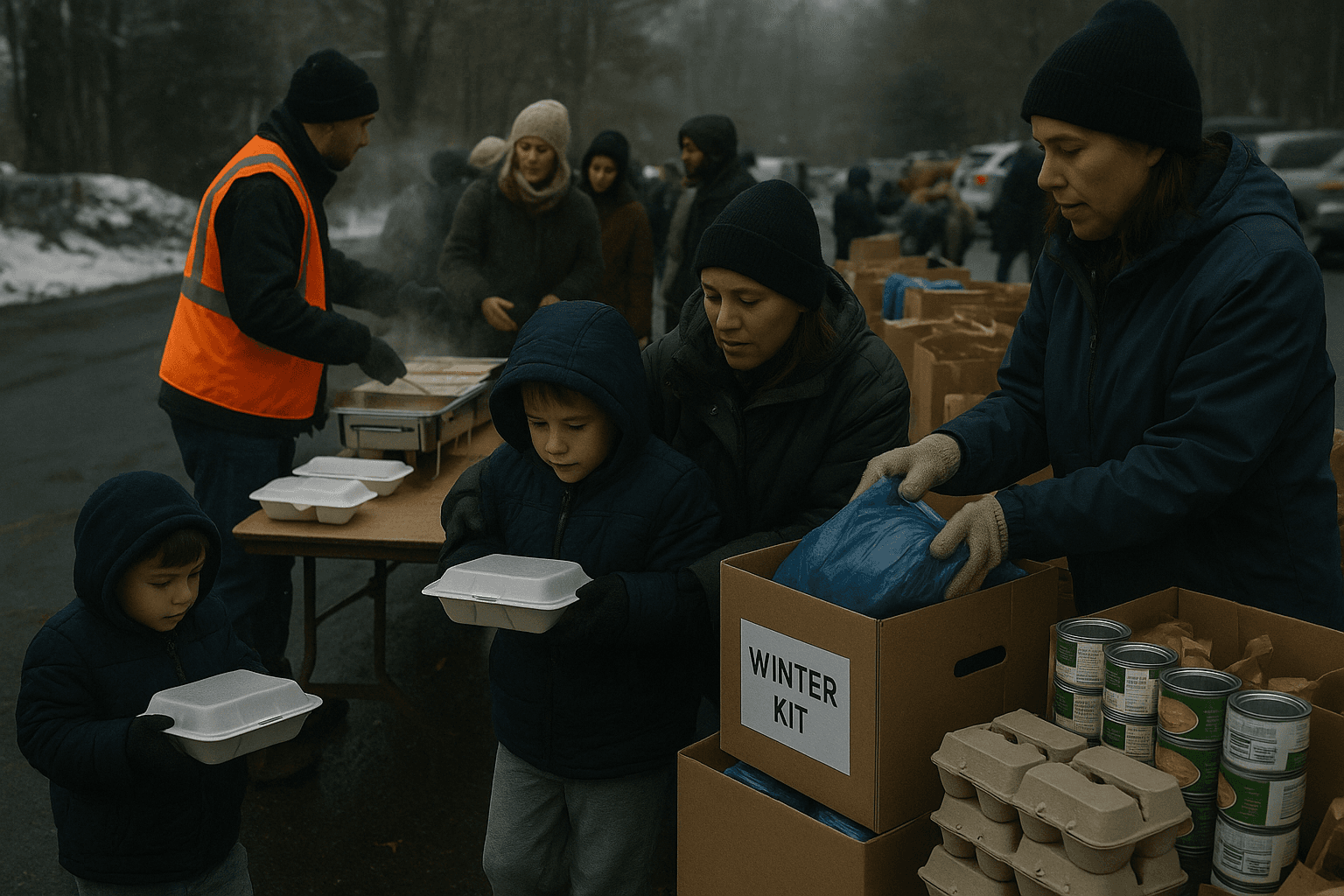
On December 15, 2025, a coordinated relief effort at 12 Hilltop Drive in Candler provided hundreds of households with essential winter supplies and prepared meals. The Zakat Foundation of America, based in Chicago, partnered with Day One Relief, an organization based in North Carolina, to distribute 750 winter kits, 5,160 grocery items, 300 pillows, 3,850 hygiene items and 350 hot meals, according to organizers.
The distribution drew families still coping with disruptions from Tropical Storm Helene and residents facing seasonal challenges related to low income and limited housing options. Organizers said the distributions have been offered monthly in Western North Carolina since the aftermath of the storm, and that supplies at this event were free and intended to support low income households. Pickup logistics were handled onsite to move items efficiently to those who needed them.
The immediate public health benefits are clear. Warm clothing and bedding reduce the risk of hypothermia and other cold related illnesses, while grocery and prepared meal access can lower food insecurity and reduce pressure on emergency services and local food pantries. Hygiene items help limit the spread of infections in crowded living situations and shelters. For many families, a single distribution can mean fewer urgent medical visits and less reliance on emergency rooms during peak winter months.
At the same time, the event highlights persistent systemic issues. Monthly charity distributions provide critical stopgap support, but they also point to gaps in formal disaster recovery systems, affordable housing availability and sustained funding for public health and social services. Community leaders and health providers say stronger coordination between nonprofits and local government, expanded winter warming programs, and stable funding for food assistance are needed to move from relief to long term resilience.
For residents in need, organizers encouraged attendance and noted the items were free. As winter deepens and communities continue to recover from recent storms, local partnerships like this one remain a vital part of Buncombe County safety nets, even as advocates call for broader policy solutions to reduce reliance on temporary charity.
Know something we missed? Have a correction or additional information?
Submit a Tip