Manheimer launches reelection bid amid protest over police intelligence center
A campaign kickoff at the Marquee quickly turned into a protest over Asheville’s new police intelligence center, putting surveillance and public trust at the center of the mayor’s race.

Esther Manheimer’s reelection launch in the River Arts District was supposed to be a free, family-friendly kickoff. Instead, the Sunday evening event at Marquee, 36 Foundy Street, became the latest flashpoint over Asheville’s newly approved Real-Time Intelligence Center, with protesters using the candidate’s first major campaign stop to challenge the city’s direction on policing and surveillance.
Manheimer’s campaign had scheduled brief remarks around 7 p.m. during the May 17 event, which was advertised as an all-are-welcome kickoff. But the protest surrounding the gathering underscored how quickly the mayor’s race has become a referendum on public safety, privacy and accountability, especially after City Council’s May 12 vote approving the package tied to the Asheville Police Department’s RTIC.
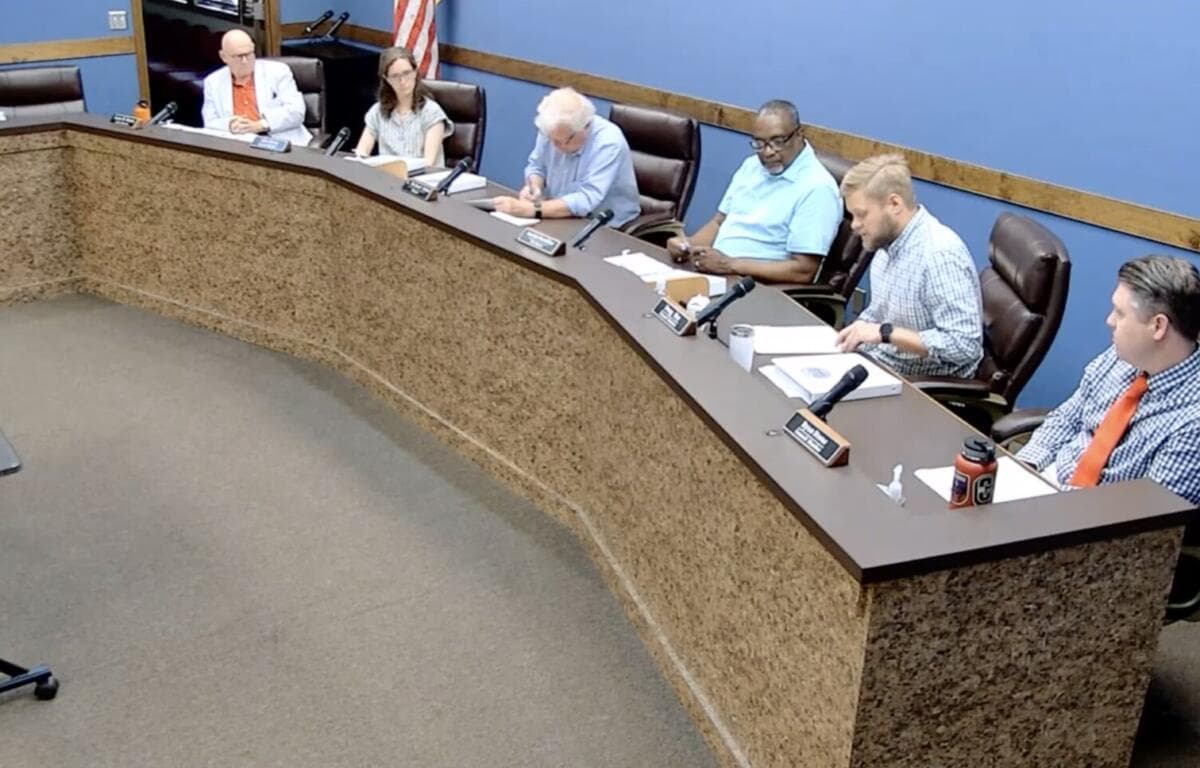
That council decision carried $1.14 million in federal grant funding and drew nearly two dozen speakers in opposition during a meeting that stretched for hours. The system would allow police to search and monitor cameras across the city, a feature supporters say could help investigators solve violent crimes faster and critics say expands citywide surveillance beyond what residents should accept without closer scrutiny. The debate is now moving from the council chamber directly into the mayoral contest.
Manheimer is running on a record she says is rooted in recovery, revitalization and economic opportunity after Hurricane Helene. Her campaign materials also highlight water-system advocacy and efforts to restore passenger rail, and they say she has secured $225 million in federal funding for Helene recovery. That message is designed to present the mayor as a steward of Asheville’s rebuilding, but the RTIC protest showed that voters are also weighing how her administration has handled police oversight and the limits of government monitoring.

Kim Roney, who announced her mayoral bid on September 1, 2025, has already given voters a clear alternative. Roney, 45, has served on City Council since 2020, and her entry set up a prolonged race that now pits two well-known Asheville political figures against each other. The contrast is sharpened by the timing: a campaign launch meant to project momentum instead exposed the clearest point of friction in Manheimer’s reelection effort.

For Asheville voters, the test is no longer just who can manage City Hall. It is whether the next mayor can address recovery, crime and infrastructure without losing public trust over how much surveillance the city should allow.
This article was produced by Prism’s automated news system from verified source data, official records, and press releases, then run through automated quality and moderation checks before publishing. The system is built and supervised by the people who set the standards it runs under. Read our full AI policy.
Did this article answer your question?