Mayfield backs repeal of alienation-of-affection law in North Carolina
An Asheville divorce can still spawn a separate lawsuit, and Julie Mayfield is backing a bill that would cut North Carolina’s divorce wait from 12 months to six.
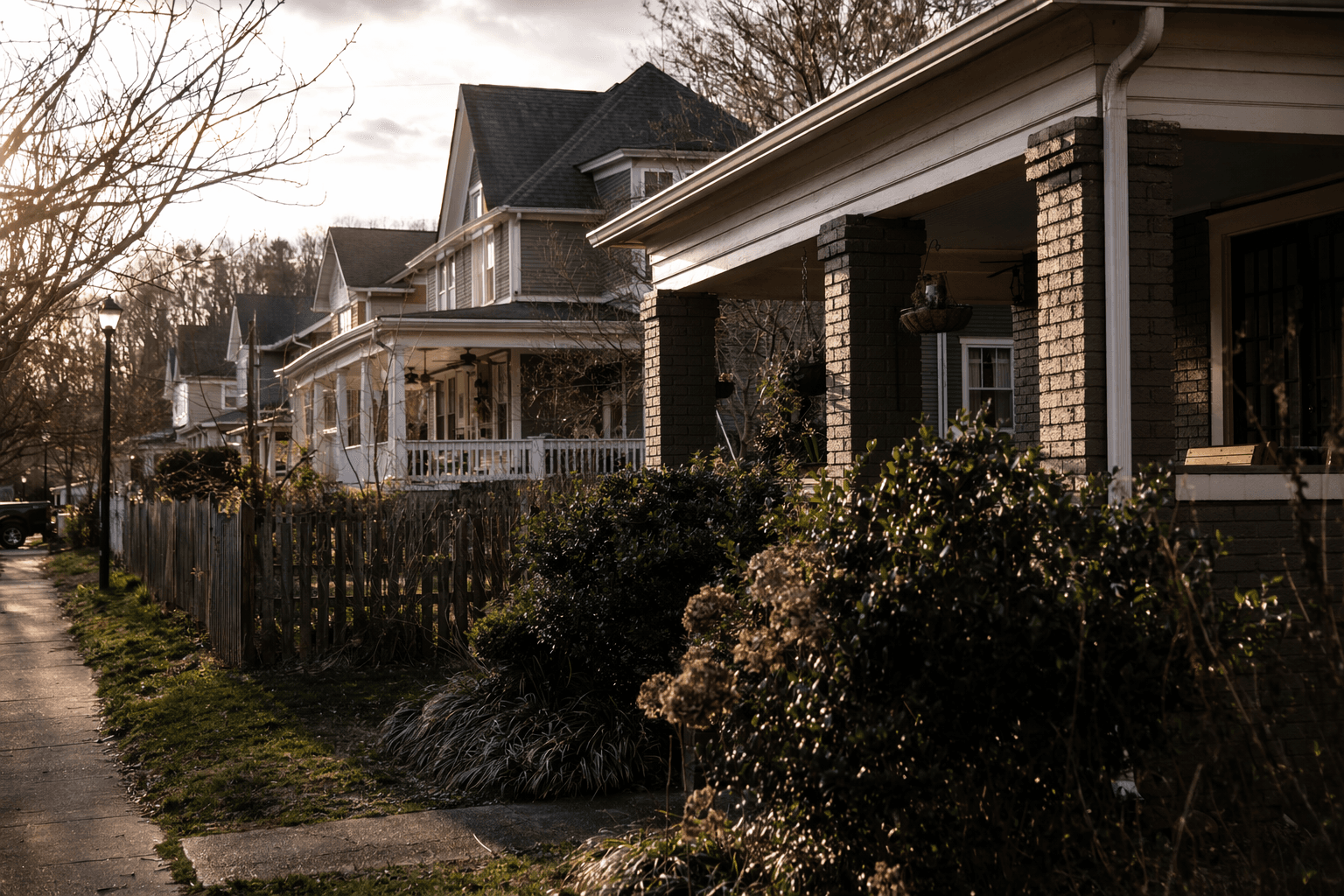
A Buncombe County marriage can still end up in court twice: once in divorce proceedings and again in a lawsuit accusing a third party of wrecking the relationship. State Sen. Julie Mayfield is backing a bill that would change that, while also shortening the state’s mandatory separation period for absolute divorce.
Senate Bill 626, filed March 25, 2025, is titled the Domestic Violence Divorce Reform Act. It would abolish North Carolina’s common-law civil actions for alienation of affection and criminal conversation, and it would cut the required separation period for an absolute divorce from 12 months to six. The measure was sponsored by Sens. Sydney Batch, Graig Meyer and Lisa Grafstein, and sent to the Senate Rules and Operations Committee.
For residents in Asheville and across Buncombe County, the issue is not abstract. Under current law, a spouse who has lived apart for 11 months still must wait another month before filing for an absolute divorce. And if that marriage is later blamed on a new partner, North Carolina law can still allow a separate alienation-of-affection or criminal-conversation case to move forward against a natural person.
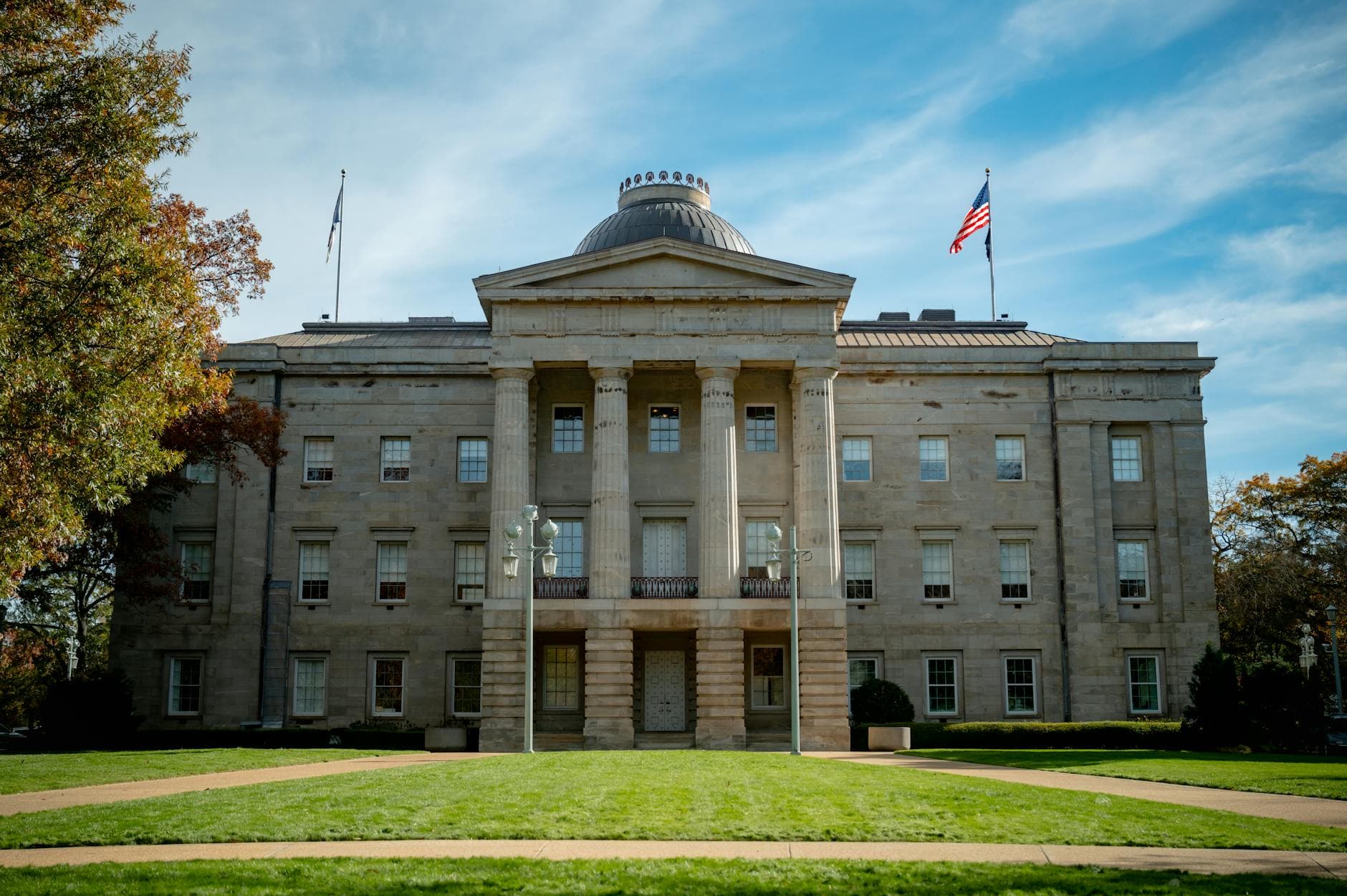
That is what makes North Carolina unusual. The state remains one of only a handful in the country that still allow alienation-of-affection lawsuits, a claim rooted in old common law and widely criticized as outdated. North Carolina ratified its modern statutory version on July 23, 2009, and it took effect Oct. 1, 2009. The law applies to actions arising from conduct on or after that date.
The tort is not just a relic on paper. North Carolina courts continue to hear these claims, and recent verdicts have shown how large the stakes can be. A Durham County jury ordered TikTok influencer Brenay Kennard to pay $1.75 million in November 2025 in an alienation-of-affection and criminal-conversation case. In 2011, a Wake County jury awarded $30 million in another alienation-of-affection case.

Supporters of repeal say those outcomes show how invasive the law can be in private lives, especially in modern divorce cases. Opponents, including conservative family-policy groups, have defended the law as a deterrent and a protection for marriage. In Buncombe County, where Mayfield represents Asheville and much of western Buncombe County, conservatives have questioned whether repeal should be a priority for voters.
The debate now reaches beyond legal theory. For families splitting up in Buncombe County, Senate Bill 626 would decide whether North Carolina keeps a rare and old-fashioned lawsuit in family court, or finally moves it out of modern divorce law.
This article was produced by Prism’s automated news system from verified source data, official records, and press releases, then run through automated quality and moderation checks before publishing. The system is built and supervised by the people who set the standards it runs under. Read our full AI policy.
Did this article answer your question?