Minor earthquake shakes area east of Weaverville early Monday
A magnitude 1.7 quake struck about 5 miles east-northeast of Weaverville at 6:36 a.m., adding to a string of small Western North Carolina tremors.
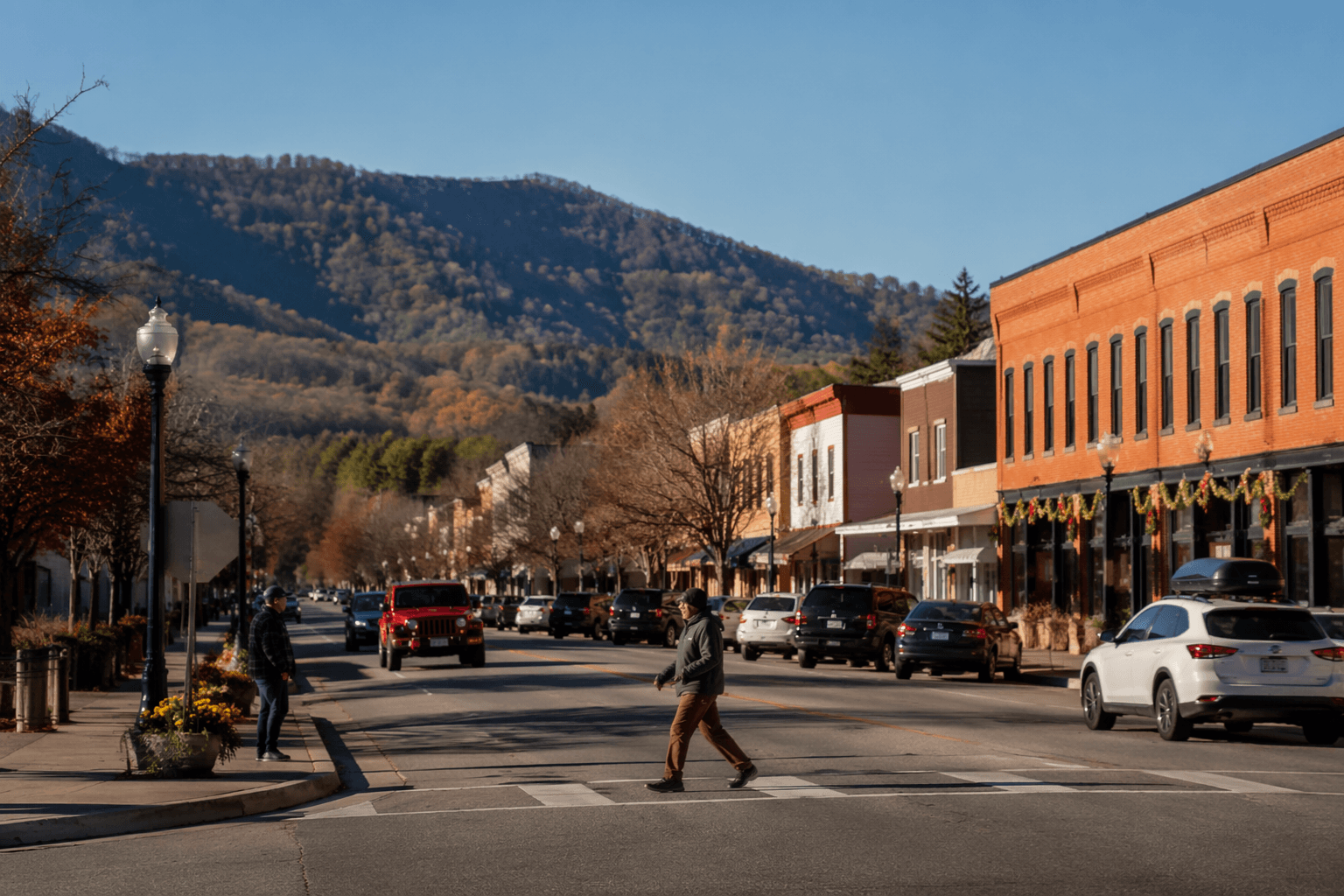
A brief shake near Weaverville woke some residents before sunrise Monday, giving Buncombe County a rare reminder that even Western North Carolina can rattle. The U.S. Geological Survey recorded the quake at 6:36 a.m. as a magnitude 1.7 event about 8 kilometers east-northeast of Weaverville, at a shallow depth of 5.3 kilometers, or about 3.3 miles.
That combination of a nearby epicenter and a shallow depth helps explain why a small quake can be noticed at all. Magnitude 1.7 is tiny by earthquake standards, and the event was not strong enough to cause damage, but it was close enough to a populated part of the county to prompt questions about what people felt and whether anything bigger might be coming.
The USGS event page showed the quake was reviewed by a seismologist and did not yet have any public felt reports logged. Even so, the shake quickly became a local talking point because residents often want to know whether a vibration was a passing truck, a boom, weather-related noise, or a seismic event. For people in Buncombe County, a confirmed quake is less about alarm than about context: it gives a name, time and location to a sensation that can otherwise feel mysterious.
Monday’s quake also fit into a recent run of small tremors in Western North Carolina. 828newsNOW reported that a magnitude 1.9 earthquake was recorded near Clyde on June 1 at 11:42 p.m., centered about 4 miles south-southeast of town at a depth of roughly 2.7 miles. Another magnitude 1.9 quake hit near Weaverville on May 16 at 4:39 a.m., about 5 miles east of town and about 2.6 miles deep. Taken together, those events point to a short stretch of low-level seismic activity rather than a single isolated jolt.
The region’s geology helps explain why that can happen. Western North Carolina sits within the Eastern Tennessee Seismic Zone, one of the more active earthquake areas in the southeastern United States, where small quakes are recorded from time to time. The USGS also maintains North Carolina earthquake information and statewide seismicity maps, and its Did You Feel It? system lets residents report shaking so scientists can build intensity maps and document what people experienced. In a county where flooding, landslides and road closures are already part of daily weather awareness, even a minor quake can land on the public radar because people want to know whether Monday morning’s shake was a one-off or the latest in a longer pattern.
This article was produced by Prism’s automated news system from verified source data, official records, and press releases, then run through automated quality and moderation checks before publishing. The system is built and supervised by the people who set the standards it runs under. Read our full AI policy.
Know something we missed? Have a correction or additional information?
Submit a Tip