NC DEQ Schedules Asheville Hearing on PFAS Wastewater Rules for April 7
Asheville gets the first chance to weigh in on proposed PFAS rules April 7 at AB-Tech — rules affecting water tapped by an estimated 3.5 million North Carolinians.
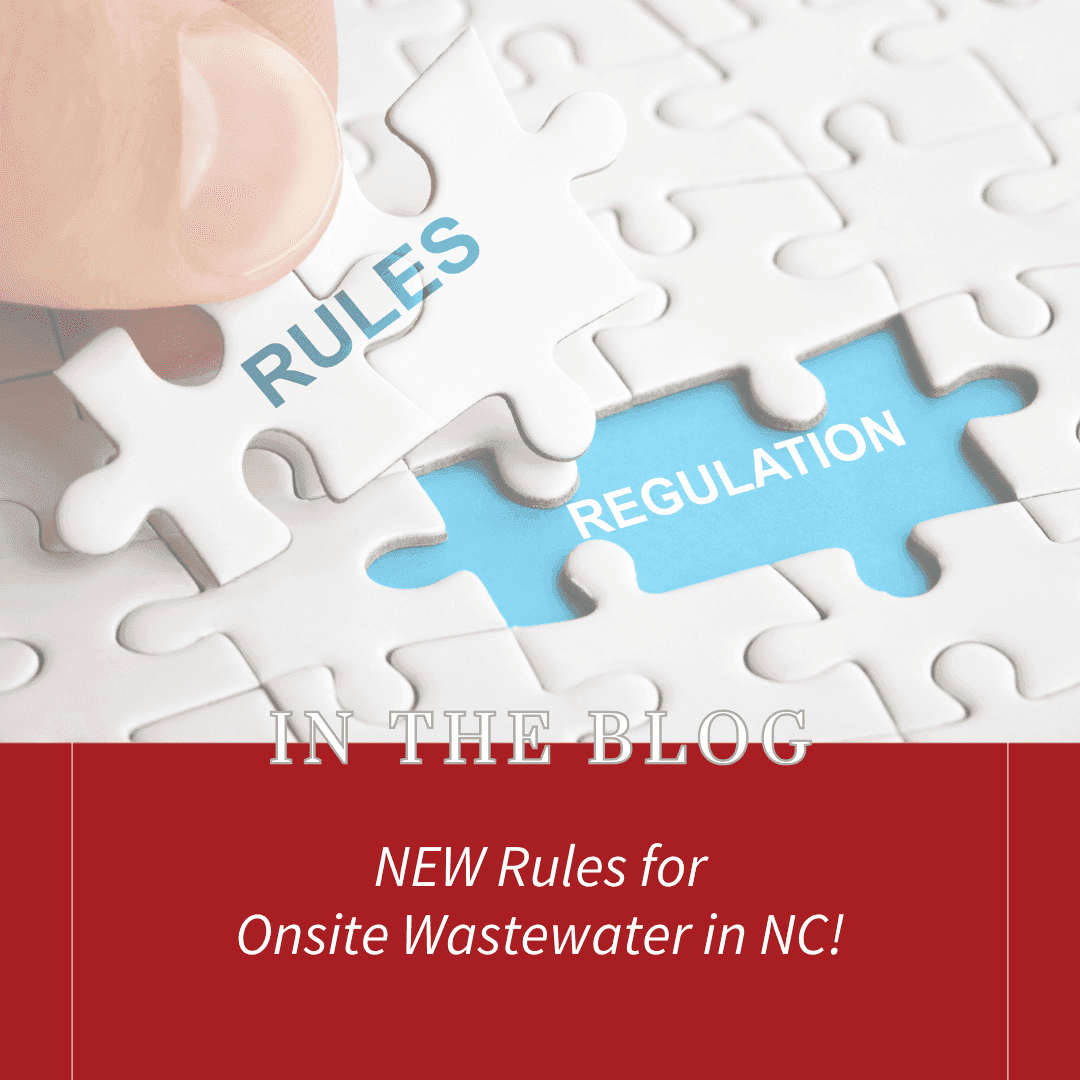
The Environmental Management Commission is accepting public comment on proposed rules targeting three compounds — PFOS, PFOA, and GenX — in wastewater discharged from industrial facilities and publicly owned treatment plants into North Carolina's surface waters. Western North Carolina residents will be the first in the state to weigh in, with a hearing set for 6 p.m. April 7 at Ferguson Auditorium on the campus of Asheville-Buncombe Technical Community College, 19 Tech Drive.
PFAS are a group of man-made chemicals widely found in commercial, industrial and consumer products, known as "forever chemicals" because they don't break down in the environment and can build up in humans and animals. An estimated 3.5 million North Carolinians drink tap water with PFAS levels above the U.S. Environmental Protection Agency health-based standard scheduled to go into effect in the coming years. According to the EPA, North Carolina ranks third for the highest concentrations of PFAS chemicals in its drinking water nationwide.
The proposed rules are designed to characterize the presence of PFOS, PFOA, and GenX in discharges from industrial NPDES dischargers and publicly owned treatment facilities that accept industrial waste. They would also require certain industrial direct dischargers and significant industrial users to develop minimization plans to identify approaches to reduce those compounds discharged directly or indirectly to surface waters.
Beyond general feedback on the rule proposals, the EMC is also seeking public comment on two specific questions: whether it would be scientifically defensible to establish a screening threshold above the lowest reporting concentration for PFOS, PFOA, and GenX that could serve as a trigger for ongoing monitoring and minimization requirements, and whether the applicability of the rule should be limited to industrial dischargers associated with standard industry classification or North American Industry Classification System codes known to be linked to PFAS use or discharge.
The hearings are part of a public comment period that began March 16, with the Asheville session at AB-Tech followed by a second hearing at 6 p.m. April 20 at the Archdale Building, Ground Floor Hearing Room, 512 N. Salisbury Street, Raleigh, and a third at 6 p.m. April 23 at Wilmington City Hall at Skyline Center, 1st Floor Conference Center, 929 North Front St., Wilmington.
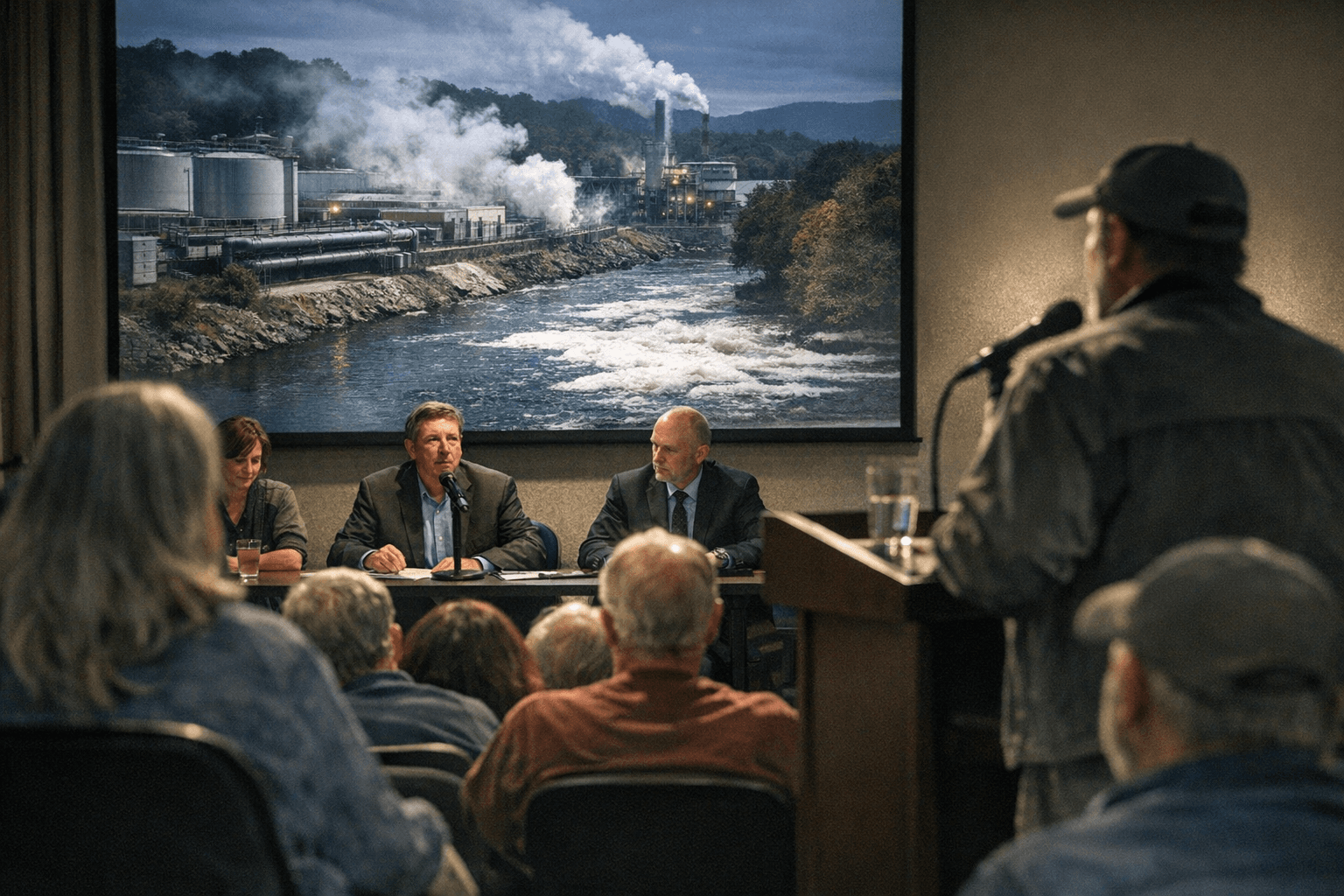
At the AB-Tech hearing, speaking time may be limited based on attendance to allow everyone an opportunity to be heard, and written comments and copies of prepared remarks will be accepted at each hearing. Written comments may also be submitted by email to publiccomments@deq.nc.gov with the subject line "PFAS minimization" through June 15, or by mail to Karen Preston, DEQ-DWR NPDES Permitting Section, 1617 Mail Service Center, Raleigh, NC 27699-1617.
Sign-in and speaker registration at the Asheville hearing open at 5 p.m., one hour before proceedings begin. The proposed rules are available on the Environmental Management Commission website.
The Environmental Management Commission voted 10-3 earlier this year to move the proposed PFAS monitoring and minimization rules package to public comment and hearing. Under the proposed rules, sampling for the three PFAS wouldn't be completed until September 2027, and the implementation of any minimization plans wouldn't begin until 2029. Environmental advocates have criticized the proposals on those grounds, with the Southern Environmental Law Center arguing in a letter to the commission that the rules represent "a significant step backwards" in the state's effort to reduce chemical pollutants in drinking water.
This article was produced by Prism’s automated news system from verified source data, official records, and press releases, then run through automated quality and moderation checks before publishing. The system is built and supervised by the people who set the standards it runs under. Read our full AI policy.
Did this article answer your question?