Nearly 100 new doctors train on safe opioid prescribing in western North Carolina
Nearly 100 new doctors got safe opioid-prescribing training before their first patients, a local push to curb overdose risk in Buncombe County.

Nearly 100 new doctors in western North Carolina got a lesson in safe opioid prescribing before they saw their first patients, a sign that the region is trying to change how pain care starts in the exam room. For Buncombe County and neighboring counties, the training matters because the habits a young doctor builds now can shape what happens later in clinics, emergency departments and pain treatment settings.
Mountain Area Health Education Center says Western North Carolina continues to have higher than state and national averages of opioid-related overdose deaths and opioid prescribing rates. That helps explain why a single training session carries more weight here than it might in a place with less damage from the opioid crisis. In a region still living with the consequences of addiction and overdose, safer prescribing is not just a compliance exercise. It is an attempt to prevent harm before a patient ever leaves the office with a prescription.
North Carolina’s Department of Health and Human Services says the state’s opioid epidemic was driven in part by decades of prescribing more opioids at higher doses. The agency has said more than 12,000 North Carolinians died from opioid-related overdoses from 1999 to 2016. Against that backdrop, training nearly 100 new doctors at once is more than orientation. It is a pipeline intervention, one that could influence prescribing patterns across multiple practices and specialties over time.

State officials have already tried to push the medical system in this direction. NC DHHS says its opioid action plan has trained more than 4,000 providers on clinical issues related to the epidemic, including safe prescribing and pain treatment. The North Carolina Medical Board also requires physicians and physician assistants who prescribe controlled substances to complete continuing medical education in opioid prescribing and related topics during each CME cycle. Safe prescribing is now part of the formal expectation for the profession, not an optional add-on.
MAHEC says it has also partnered with NC DHHS to expand training for physicians and advanced practice providers who can prescribe buprenorphine for medication for opioid use disorder. The center says that treatment greatly reduces the risk of relapse and overdose. That makes the local workforce question larger than one class of new doctors. It is about whether Buncombe County and western North Carolina can build a care system that treats pain carefully, recognizes addiction risk early and connects patients to treatment before a prescription becomes a crisis.
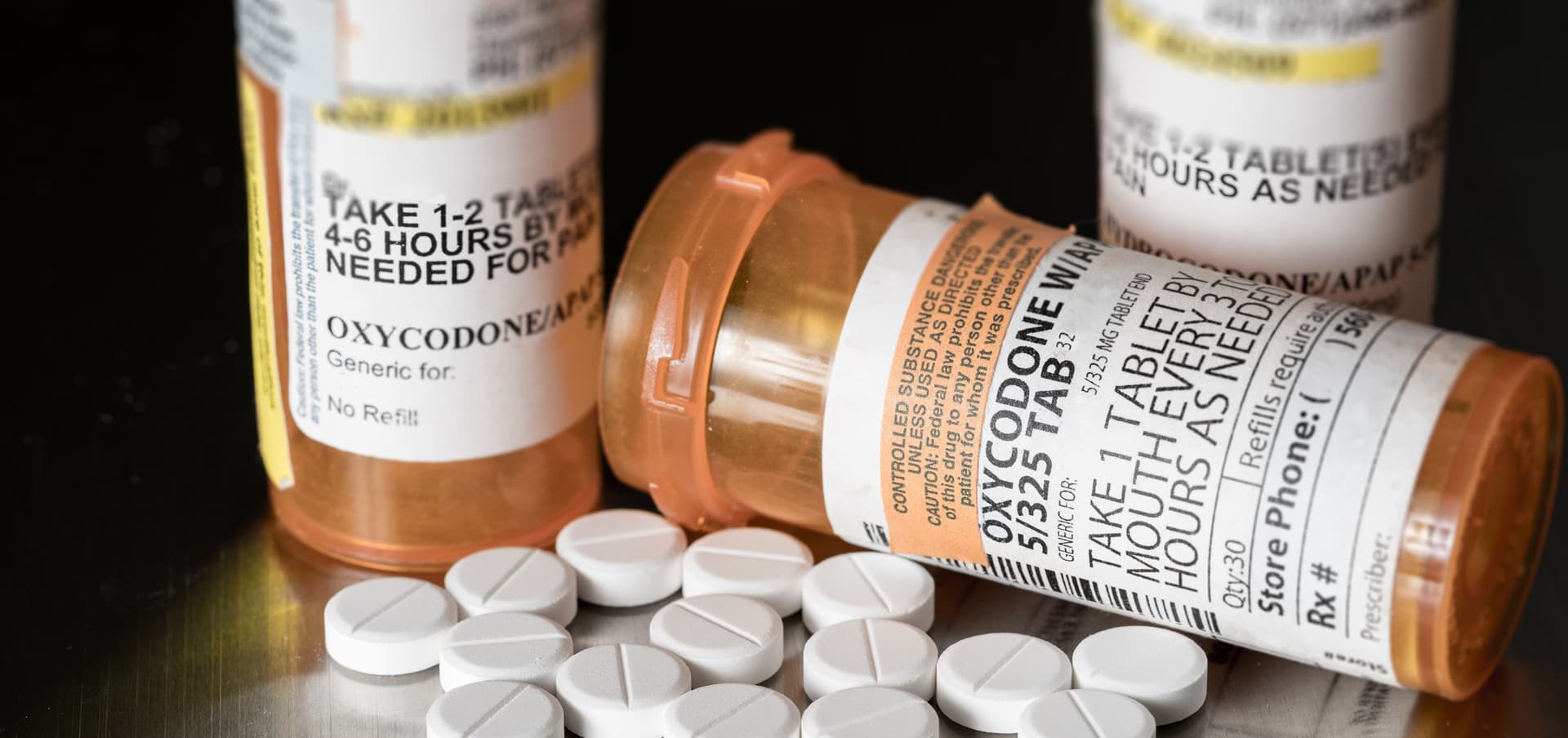
The real test will be whether this training changes what happens in practice, not just whether attendees signed in. If it alters how doctors prescribe, how quickly they refer patients for treatment and how safely pain is managed in western North Carolina, then the region may be moving from reacting to overdose deaths toward preventing them.
This article was produced by Prism’s automated news system from verified source data, official records, and press releases, then run through automated quality and moderation checks before publishing. The system is built and supervised by the people who set the standards it runs under. Read our full AI policy.
Did this article answer your question?