North Carolina joins lawsuit over federal graduate loan limits
Graduate health students could lose tens of thousands in federal borrowing as North Carolina fights a rule that may thin Buncombe County’s care workforce.

Graduate students in nursing, physician assistant, physical therapy, occupational therapy and audiology programs could soon face tighter federal loan limits, a change state officials say would reach far beyond campus and into Buncombe County clinics, hospitals and classrooms. North Carolina joined a 25-state coalition plus Washington, D.C., in challenging a U.S. Department of Education rule that narrows the definition of a “professional degree” and cuts off access to the larger borrowing caps many health students rely on.
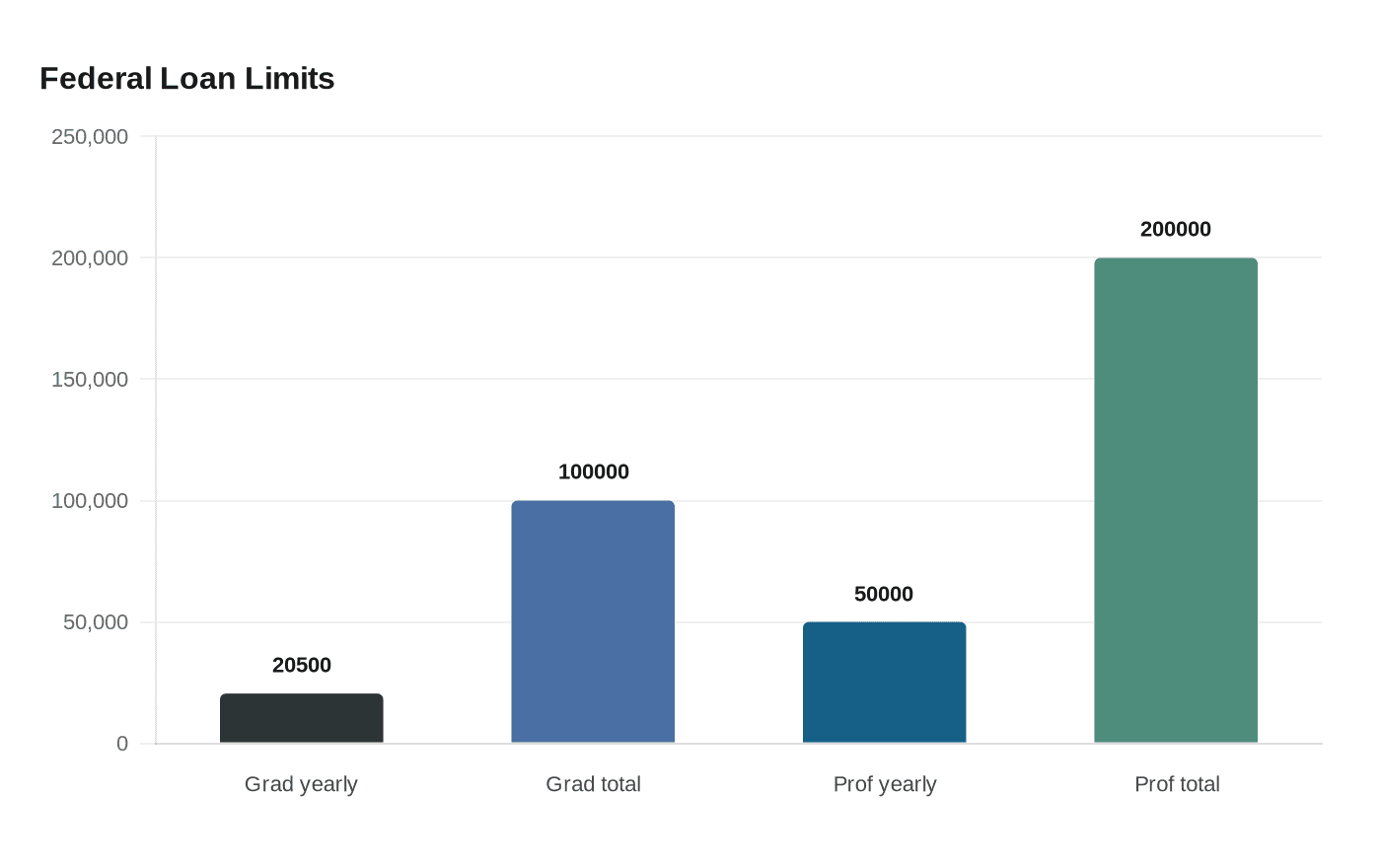
Under the final rule, many graduate students would be limited to $20,500 a year and $100,000 total in federal loans. Students in programs the department still classifies as professional could borrow up to $50,000 a year and $200,000 total. The rule was published May 1 and is scheduled to take effect July 1, putting the decision directly into the middle of summer enrollment and financial aid planning for students headed into Asheville-area health training programs.
State officials say the impact would be especially sharp in North Carolina because 93 of the state’s 100 counties already have a primary care shortage. Jeff Jackson, the state attorney general, said the change would have “devastating consequences” for North Carolina’s healthcare workforce. His office argues the department exceeded Congress’s authority by rewriting the federal definition in a way that excludes professions such as nursing and physician assistants.

For Buncombe County, the stakes are local and immediate. Asheville’s hospitals, school health services and graduate training pathways depend on a steady flow of nurses, physician assistants and other clinicians who can afford advanced degrees. If borrowing becomes harder, smaller and more rural communities in the region are often the first to feel it, because they already struggle to recruit and keep providers.
Debra J. Barksdale, president of the American Academy of Nursing, warned that discouraging even a fraction of students from pursuing graduate nursing education would be felt first and hardest in rural and underserved communities. Leigh Habegger, a physician assistant student at Wake Forest University School of Medicine, said the rule would hurt North Carolina’s pipeline of physician assistants and affect access to care.
The legal fight comes as education money has already become a recurring pressure point in North Carolina. In a separate federal funding dispute, state officials have said the state could lose about $165 million, while earlier reporting on the freeze warned of more than 1,000 educator positions and hundreds of thousands of students statewide at risk. For Buncombe County families, the latest case is not an abstract Washington argument. It is about whether local schools, hospitals and clinics can keep training and hiring the health workers the region already needs.
This article was produced by Prism’s automated news system from verified source data, official records, and press releases, then run through automated quality and moderation checks before publishing. The system is built and supervised by the people who set the standards it runs under. Read our full AI policy.
Did this article answer your question?