Private equity now owns most Buncombe County vet clinics, hospitals
Buncombe County pet care has tipped into corporate hands, and that shift is already showing up in emergency access, staffing pressure and sharply higher bills.
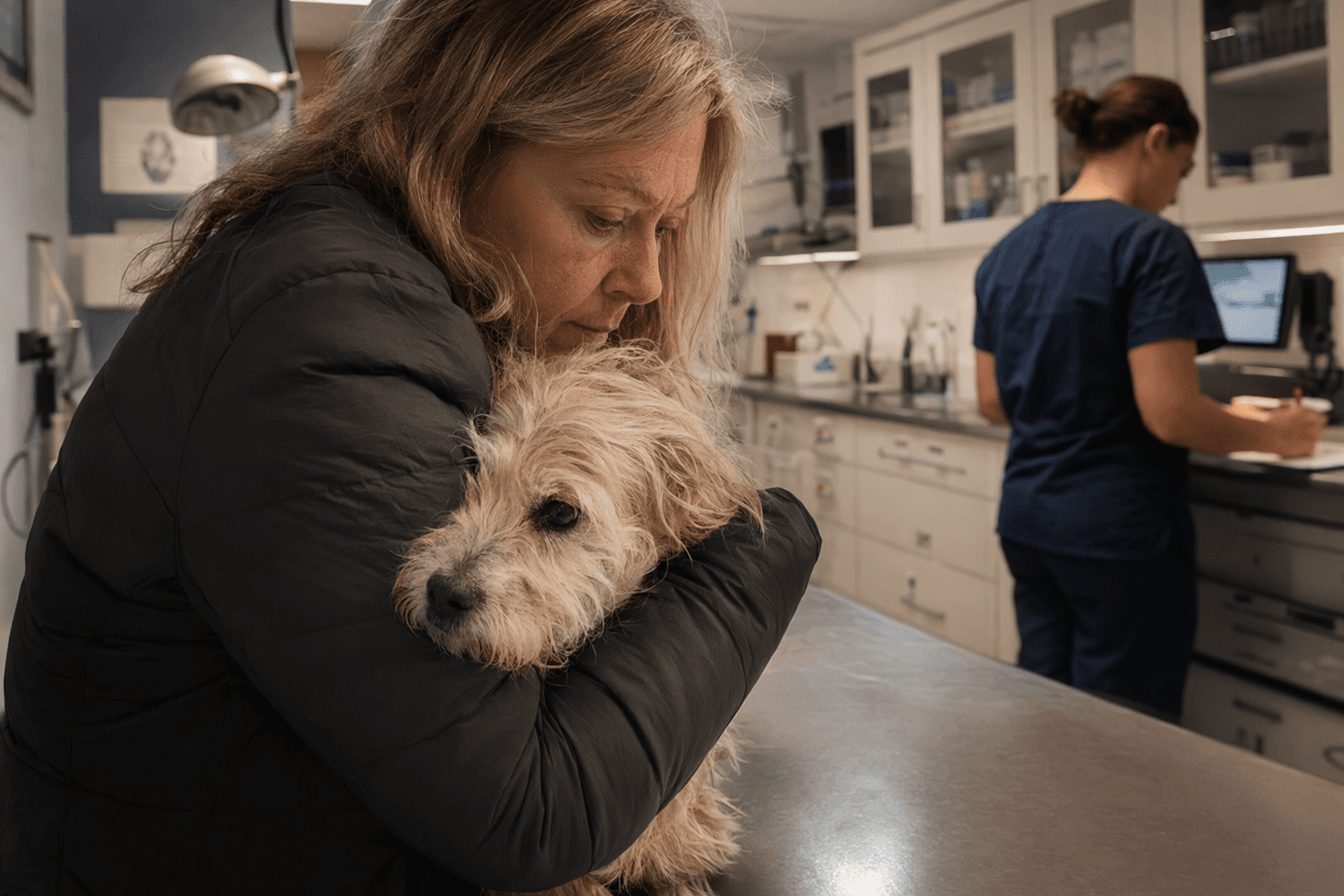
A market that flipped under pet owners’ feet
A midnight pet crisis in Buncombe County now lands in a veterinary market where all three emergency animal hospitals are corporate-owned, and more than half of the county’s brick-and-mortar small-animal clinics and hospitals are now in large corporate hands. That is a major change for a county where veterinary care has long been built on trust, continuity and a familiar face at the front desk.
The price shock is visible too. One local example cited by veterinarians shows a stomach-twist repair, a life-saving emergency surgery, climbing from about $700 in the early 2000s to as much as $10,000 today. That kind of jump turns veterinary care into a real household budgeting issue, not an occasional inconvenience.
How Buncombe’s independent clinic culture changed
The county’s veterinary landscape still includes independent practices, but the balance has shifted fast enough that longtime owners say the market feels different. At Fairview Animal Hospital, veterinarian Elaine Klesius has said corporate ownership does not appear to bring lower prices for customers. In Swannanoa, Otto Sharp of Swannanoa Valley Animal Hospital has described repeated inquiries from companies asking whether he would sell, a sign that Asheville and Buncombe County are seen as a market worth pursuing.
That interest is not accidental. Private-equity-backed companies have been able to outbid independents by offering high purchase prices, signing bonuses, student-loan help and higher salaries. Those offers are tempting in a profession under strain, but they also change what happens after the sale: clinics face pressure to hit profit targets, and that pressure can spill into exam fees, staffing decisions and the pace of care.
What consolidation can change in the exam room
For pet owners, the most immediate effects of consolidation are rarely announced in a press release. They show up in the exam room, on the invoice and in the wait for an emergency appointment. In Buncombe County, the concern is not just who owns a practice, but whether ownership changes the way a clinic schedules visits, recruits veterinarians and handles after-hours care.
Independent veterinarians say the buying spree has altered the profession itself. Larger firms can promise more money up front, which helps them recruit, but the tradeoff can be burnout and turnover when profit expectations tighten. That matters in a field where continuity is part of the service, because a pet owner often wants the same doctor, the same technicians and the same clinic to handle everything from routine vaccines to end-of-life decisions.
Nationally, the market is split in a way that helps explain the local picture. Most U.S. clinics are still independently owned overall, but specialty and emergency care are highly concentrated, with corporations owning a large share of those practices. Buncombe County now looks more like that concentrated model in the sectors that matter most when a pet is in real trouble.
Why regulators are paying attention
The consolidation trend has drawn federal scrutiny. The Federal Trade Commission took action in 2022 against JAB Consumer Partners to prevent further consolidation of veterinary services, and the agency finalized a consent order against the firm on October 14, 2022. The FTC has pointed to veterinary roll-ups as a competition issue because a few large buyers can quickly reshape access, prices and ownership across a local market.
That federal concern lines up with what local veterinarians are seeing on the ground. When one corporate owner can absorb multiple clinics, the decision is no longer simply about one practice surviving. It becomes about whether independent operators can still compete for staff, for financing and for the next generation of veterinarians. In Asheville and across Buncombe County, that is the competitive pressure now hanging over the field.
Access gaps are showing up outside the clinic doors
The effects are not limited to private practices. Asheville Humane Society has said rising costs and other barriers have left many residents outside the veterinary-care system, and its safety net work is meant to keep pet owners from having to surrender animals they cannot afford to treat. To support that effort, PetSmart Charities gave the organization a $200,000 grant over three years to expand access to care in the Emma and Greater Deaverview areas.
That grant matters because it points to a wider problem: when routine care gets more expensive, people delay treatment until a problem becomes urgent. Delayed care is worse for pets and more expensive for owners, which is one reason emergency hospitals become even more important in a county where all three are already corporate-owned. Once care becomes out of reach, the burden shifts to shelters, rescue groups and charitable programs that were never designed to replace a functioning primary-care system.
The workforce squeeze is part of the story too
The ownership shift is happening alongside a staffing shortage that makes every clinic’s labor costs more important. In March 2024, the American Association of Veterinary Medical Colleges said the U.S. veterinary workforce shortage is affecting access to care and that specialist vacancies can exceed available candidates by as much as four times. That kind of imbalance helps explain why firms can dangle signing bonuses, student-loan help and higher pay to attract doctors and technicians.
The broader job market shows why the profession remains attractive even under strain. The U.S. Bureau of Labor Statistics says the median annual wage for veterinarians was $125,510 in May 2024, and it projects 10 percent employment growth from 2024 to 2034. But even with solid pay and growth, the shortage persists, which means employers still have to compete aggressively for talent. In Buncombe County, that competition is increasingly being won by the biggest buyers.
What Buncombe pet owners should expect next
The key question for Buncombe County is not whether consolidation will continue, but how much more of the local market will move in that direction. The current mix already gives corporate owners an edge in the most urgent part of veterinary care, the part most families cannot easily postpone. Independent clinics still matter, especially for relationship-based medicine and continuity, but they are competing in a market where scale, financing and corporate backing now carry real weight.
For pet owners, that means planning for veterinary costs the way households already plan for car repairs or health insurance gaps. For independent veterinarians, it means the fight is no longer just about keeping a practice open. It is about preserving a local model of care in a county where the emergency side of the business has already changed hands, and where the next crisis may arrive before most families realize how much the market has shifted.
This article was produced by Prism’s automated news system from verified source data, official records, and press releases, then run through automated quality and moderation checks before publishing. The system is built and supervised by the people who set the standards it runs under. Read our full AI policy.
Did this article answer your question?


